When Craft Becomes Capital: How BeadWORKS is Supporting Long-Term Artisans’ Livelihoods

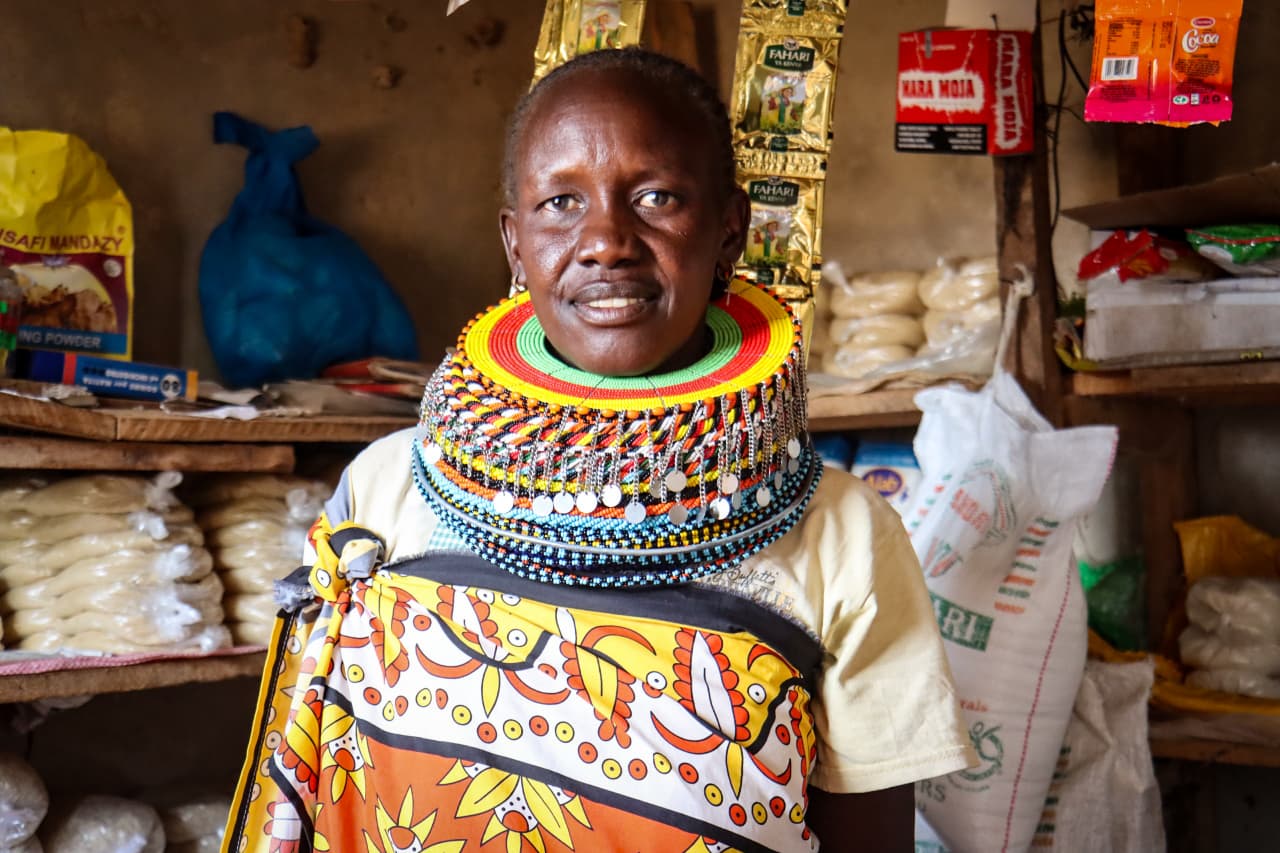
Pelina Kinyaga’s journey with BeadWORKS Kenya begins at a moment when the program itself was still taking shape. When BeadWORKS was introduced in Lekiji Village within the Leparua Conservancy, she was among the first women artisans who chose to participate. Initially, her involvement was cautious: she watched and learned, curious whether this emerging enterprise could really challenge the rhythms of their community’s economy, defined by livestock and seasonal uncertainty.

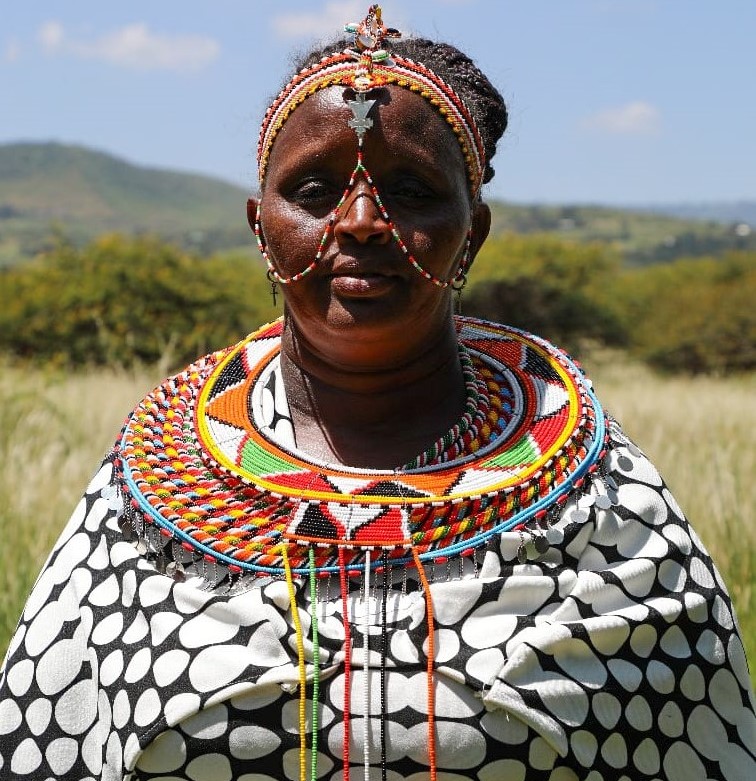
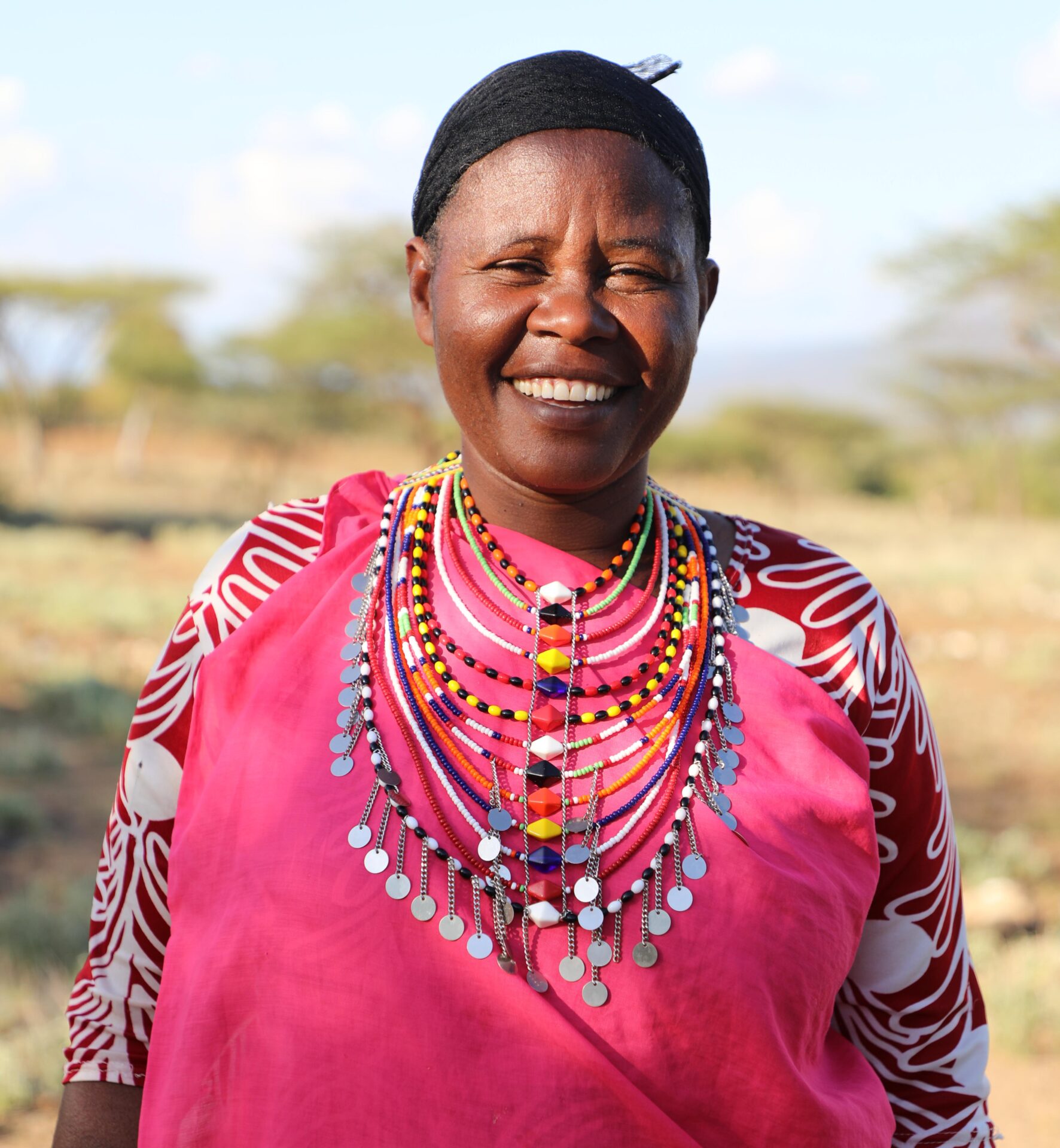
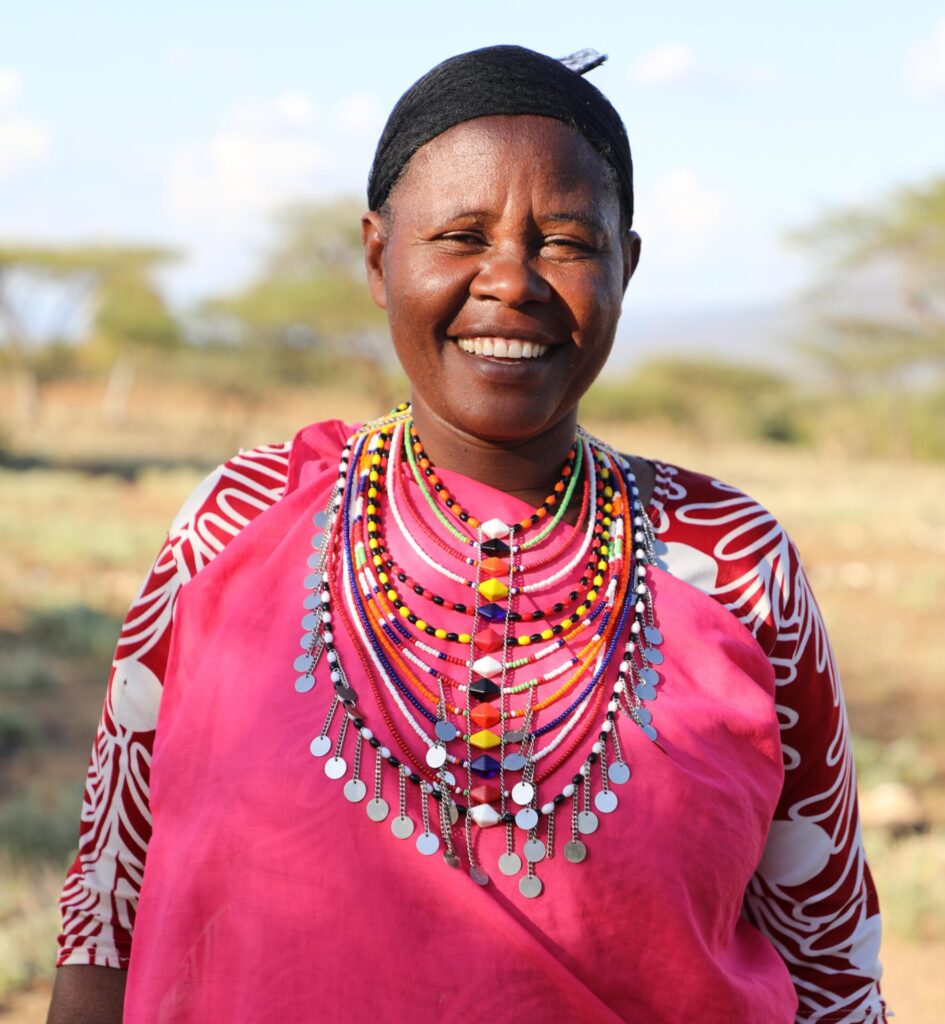
Beading, however, was already part of her life. As a Maasai woman, Pelina had acquired the skill informally, passed down from one generation of women to the next, and practised within the rhythms of community life. She produced necklaces, ceremonial headpieces, and bangles for morans (Maasai warriors), items valued for their cultural significance rather than their commercial potential. What BeadWORKS introduced was not the craft itself, but a reframing of it. Through clear systems of quality control, design guidance, and market access, the program demonstrated that beading could serve as a consistent source of income. For Pelina, the most compelling element was simple and persuasive: the opportunity to earn her own money and be paid fairly for her work. The social enterprise, which now supports 1,200 pastoralist women across nine community conservancies, confirms that these traditional skills can be linked to consistent, meaningful income rather than to episodic use or barter alone.

The income from beading introduced a new sense of predictability into her household. As a mother of six, aged from early childhood through adolescence, Pelina is responsible for her family’s daily needs and long-term well-being. What mattered most was stability. Unlike narratives of survival built on borrowing as default, Pelina’s life has seen that pattern decline. Earlier in her life, she might have borrowed money to meet day-to-day needs, but that was before she had reliable earnings. Her income from BeadWORKS now provides a dependable weekly cash flow: she receives regular payments for beaded products sold through local and international channels. In 2024 alone, the network of artisans collectively saw product sales exceed KES 25 million, with artisans earning over KES 4 million from items they produced and contributing to both household and conservation needs without reverting to unsustainable coping strategies.

One moment that clarified this change for her occurred when her last daughter was sent home from school for not having a school uniform. The uniform cost KES 600, a modest sum in absolute terms but significant in context. Instead of scrambling for casual credit, Pelina approached a local tailor with confidence, grounded in her upcoming payment; they agreed to credit based on it, and the situation was resolved without stress. This instance signalled both her prudence and the emerging financial agency she now exercises.

Beyond income, BeadWORKS also exposed her to leadership support, entrepreneurship, and financial literacy trainings. These sessions offered concepts that Pelina applies directly in her daily life, particularly in managing household resources and making decisions for her family. BeadWORKS artisans participate in entrepreneurship support that extends to savings mobilisation and access to financial institutions such as the Rangelands SACCO, where many now hold savings accounts and can access formal loans. This shift is reinforced by mutual support structures within the women’s groups themselves, through which members save together and secure loans, fostering a social community grounded not only in craft but also in shared economic planning and mentorship.

Pelina’s consistency over the years has made her a respected artisan and informal mentor. She continues to enjoy making belts and animal-inspired pieces, especially lion designs, that reflect her love for wildlife conservation, cultural heritage, and market appeal. Her contribution to the women’s saving group — and the mentorship she both gives and receives — is part of a communal ecosystem in which financial habits, marketing skills, and collective ambition are reinforced.

Today, Pelina’s life is marked by a practical stability that would have been hard to imagine before her association with BeadWORKS. She pays school fees, contributes to household nutrition and healthcare, and plans incremental improvements, such as building a permanent home to accommodate her family’s needs. Her story, situated within a program that has generated hundreds of millions in sales and elevated women’s participation in both local and global markets, illustrates how sustained, market-linked craft enterprises can reshape livelihoods through continuity, competence, and economic independence.

Read more on how “Bead Work Makes the Dream Work”, an article published by the San Diego Zoo Wildlife Alliance, a long-time partner of BeadWORKS Kenya.
How Rangelands SACCO Microcredit is Supporting Women Entrepreneurs in the Conservancies

When Jamarose Moru thinks about her childhood, she remembers her parents struggling to keep them in school. They had never received formal education themselves, especially given their pastoralist background, which has a record of some of the lowest school-completion rates in the country, largely due to poverty and a lack of financial support. Livestock was the family’s only asset, and when schoolbooks or uniforms were needed, a goat or sheep would often be sold. Her eldest sister reached Class Eight before dropping out; the two subsequent siblings never enrolled. Jamarose managed to finish primary school, but the cost of secondary education was far beyond what her family could afford.

After leaving school, Jamarose found herself on a path that many young women in her situation often tread. She rose early to fetch water, sometimes firewood, helping her mother with chores, and tended to the family’s herd until she got married by the time she was 18. Her husband’s income as a casual security guard was irregular, and with children to care for, Jamarose turned to selling charcoal, a demanding, environmentally taxing trade, but the only option available at the time.

In the middle of her day-to-day activities, she would often pass a group of women who met regularly under a tree, with a locked metal box at the centre of their circle. In a place where little went unnoticed, everyone knew what the gatherings were about: the local Village Savings and Loans Association (VSLA). Jamarose had always known of it but never thought it could apply to her; saving a few coins seemed pointless when every shilling already had a purpose. Yet she couldn’t ignore how the group seemed to weather difficulties differently by finding help among themselves. That quiet sense of security and the way they supported one another began to shift her thinking. After a while, she joined them, considering it a small but hopeful beginning.

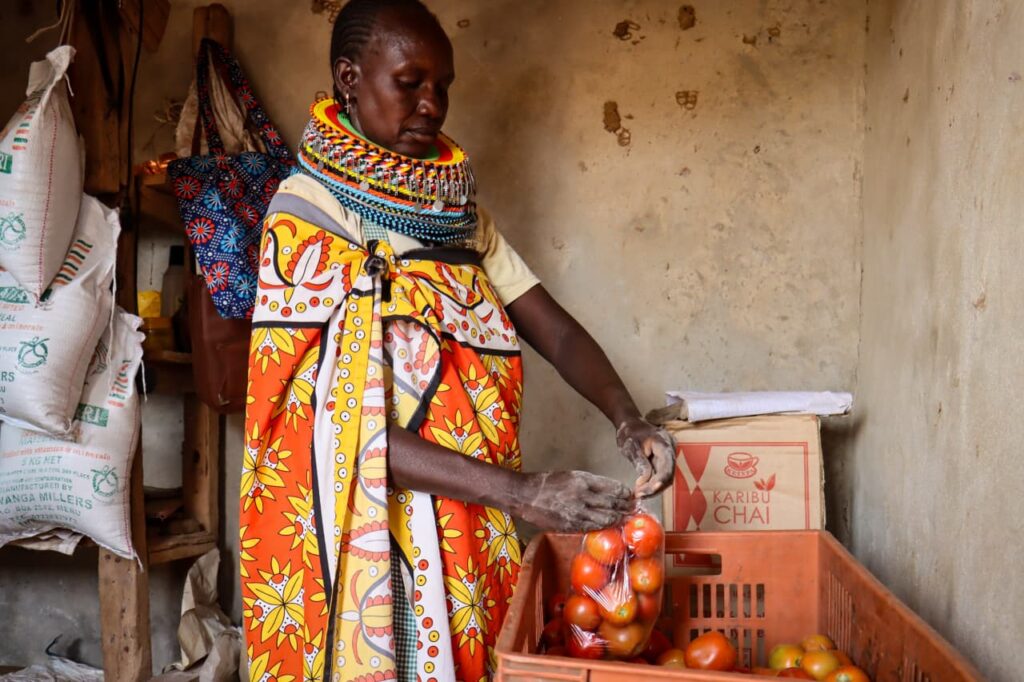
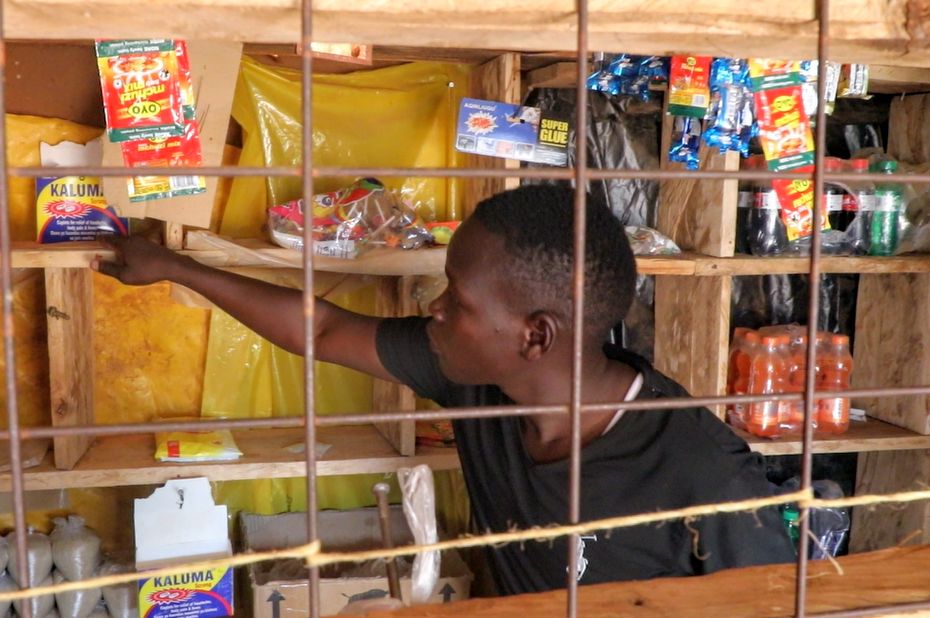
Jamarose packs tomatoes for a customer

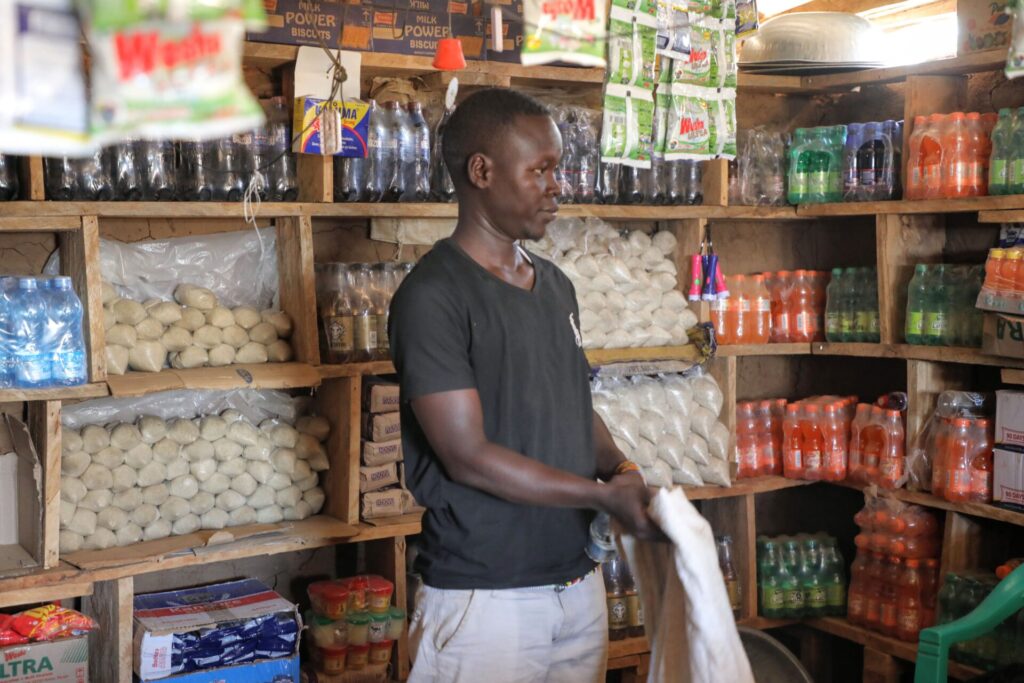
In January 2018, she was also introduced to Rangelands SACCO through its Community Enterprise Agent. As a member of a formal financial institution, she saw it as an opportunity to strengthen her growing financial discipline and began saving consistently. By 2023, her savings were enough to qualify her for a first loan of Ksh. 60,000. With that, she opened a small shop near their manyatta in Attan, just about a kilometre from Tractor, the nearby town centre within the Nakuprat-Gotu Conservancy. Her shop became a direct response to the everyday challenges her community faced. Many residents had to travel long distances to Isiolo town to buy basic supplies, making the trip inconvenient and costly. By stocking essential goods such as sugar, cooking oil, rice, cereals, and even stationery, she met local demand and eased the financial and physical burdens of access.

That same year, a Biashara Mashinani endline survey found that 99.7% of businesses supported in NRT community conservancies had survived the 2022–2023 drought. Among them was Jamarose’s, which, despite enduring significant losses, remained operational. Her customers, mostly livestock keepers, were struck, forcing them to migrate in search of pasture and water. Much of her income was also channelled towards ensuring the survival of their animals, including veterinary services, supplements, and water. In 2024, determined to recover and strengthen her business, she secured a second loan of Ksh. 70,000 from the Sacco, which she used to renovate and expand her shop, ensuring it could better serve her customers’ needs.

On good days, she can serve up to 30 customers, bringing in around Ksh. 5,000. However, there are also slower days when her earnings might only reach Ksh. 1,000. When the business is less busy in the afternoon, she tends to their one-acre maize and bean farm and sells the surplus in her shop for extra income.

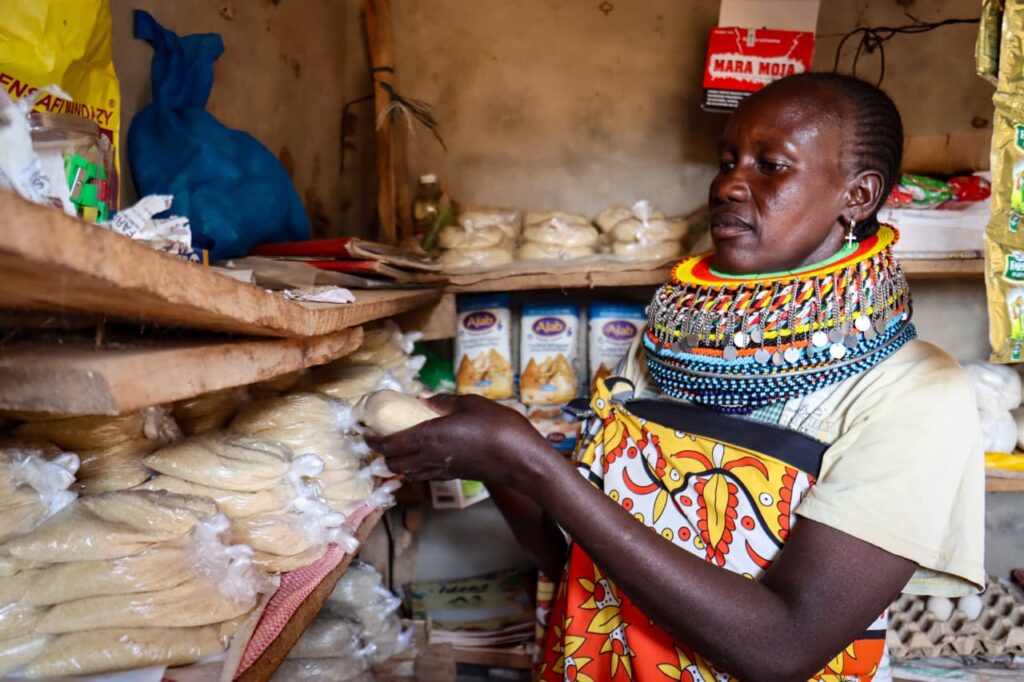
Jamarose arranges packets of sugar neatly on the shelf

The mother of seven has long-term plans to take her business to the next level. One of her big goals is to enrol in a driving school so she can obtain her license and eventually secure another loan to buy a vehicle to help her deliver goods more efficiently. With reliable transportation, she hopes to reduce delivery costs and grow her business into a supply hub for other local shopkeepers.

Jamarose has become an advocate for sustainable, climate-conscious entrepreneurship, encouraging other women to explore alternatives to charcoal-burning and to join financial institutions such as Rangelands SACCO. She believes that access to tailored services, including savings, credit, investment opportunities, and valuable training in entrepreneurship and financial literacy, can transform lives, and she’s determined to help others tap into that potential.

A New Dawn: Ufugaji Bora Mashinani Radically Transforms a Herder’s Life

Loimap Lekula’s education journey was cut short in grade 6.

Perennial drought in Sasaab Village, Samburu County, where he lived with his parents, forced the now 29-year-old father of four and devoted husband to take care of his family’s livestock instead. For many years after he dropped out of school, Lekula’s days revolved around herding and grazing his family’s livestock across the vast northern Kenya rangelands. Often, he would trek long distances in search of pasture, while protecting the animals from harsh conditions and predators.

This was his routine until 2021, when he learnt about the Ufugaji Bora Mashinani Programme, run by MashinaniWORKS through West Gate Community Conservancy. Lekula decided to enroll, alongside 299 other herders.

The Program’s first training session covered livestock breeding and quickly became his favorite, as he learnt how to improve his livestock’s productivity through selective breeding. Inspired by this knowledge, Lekula purchased a Galla she-goat, a breed renowned for its superior quality. This decision increased Lekula’s milk production and improved his family’s nutritional health, instilling a sense of pride he had never experienced before.

The training also deepened Lekula’s understanding of climate change, a major challenge for pastoralists in northern Kenya. He learnt adaptation strategies, including preserving feed and breeding more resilient livestock. Having previously lost nearly all his cattle to drought, Lekula, who currently owns 20 goats and two cows, felt more prepared than ever to face the prolonged dry seasons that once decimated his herd.

“Not long ago, I had 20 cows and lost all but three to drought,” Lekula vividly recalls. “That huge
loss taught me to adapt to our changing environment, and now I know how to prevent such
losses.”

Loimap Lekula

The Ufugaji Bora Mashinani Programme appointed Lekula as a Livestock Marketing Agent (LMA). To enable him to conduct his responsibilities, he was issued a solar-powered smartphone through which he communicates and collects data. As an LMA, he disseminates information on market trends, the condition of grazing lands, and livestock health to other herders.

On the 20th of March, Lekula graduated alongside other herders at a spectacular ceremony to celebrate their completion of three years of training. When he received his certificate, he saw more than a piece of paper. For him, the certificate symbolised the dawn of a new era—an opportunity to help his community, share the knowledge he had gained, and break the cycle of poverty that had held him back for so long. Lekula realised he no longer was just a herder. Now, he was a trained professional with the skills to make a real difference in West Gate Community Conservancy.

Loimap Lekula receives his certificate of completion from the Ufugaji Bora Mashinani program on the 20th of March, 2024.

After his graduation, Lekula joined a 30-member self-help group where he and his peers engage in various income-generating activities, including beading, selling livestock, and running small businesses. The group pools members’ earnings into a joint account, which creates a financial safety net that increases their resilience and provides timely support during difficult times.

Beyond livestock farming and the self-help group’s activities, Lekula has ventured into poultry farming—a role traditionally perceived as reserved for women. Having begun with a modest flock, he now owns 55 chickens and regularly receives orders for eggs and meat. He reinvests the additional income in his goat herd, further increasing his financial stability.

Lekula envisions a future where every herder has a stable income and the skills to adapt to climate change, prevent losses, and secure fair livestock prices in the market. He strives to inspire the next generation and ensure that his children—and every child in his community—has access to nutritious food and better education.

Leadership in Business and Conservation – The Story of Pauline Lolngojine

Recently, women in northern Kenya have emerged as key decision-makers in their communities. They now hold leadership positions and have gained control over benefits, which has resulted in their full participation in the economy as market actors.

Pauline Nduraa Lolngojine is a 47-year-old mother of five from Archers Post in Samburu County, whose story embodies resilience, community impact, and empowerment. Married off at a young age, her education was abruptly cut short in Form 3. However, Pauline chose not to despair. Undeterred by the following hardships, she seized an opportunity during the construction of the Isiolo-Moyale highway to start preparing and hawking meals for the workers. This marked the beginning of her entrepreneurial venture, and she soon expanded to selling groceries by the roadside.

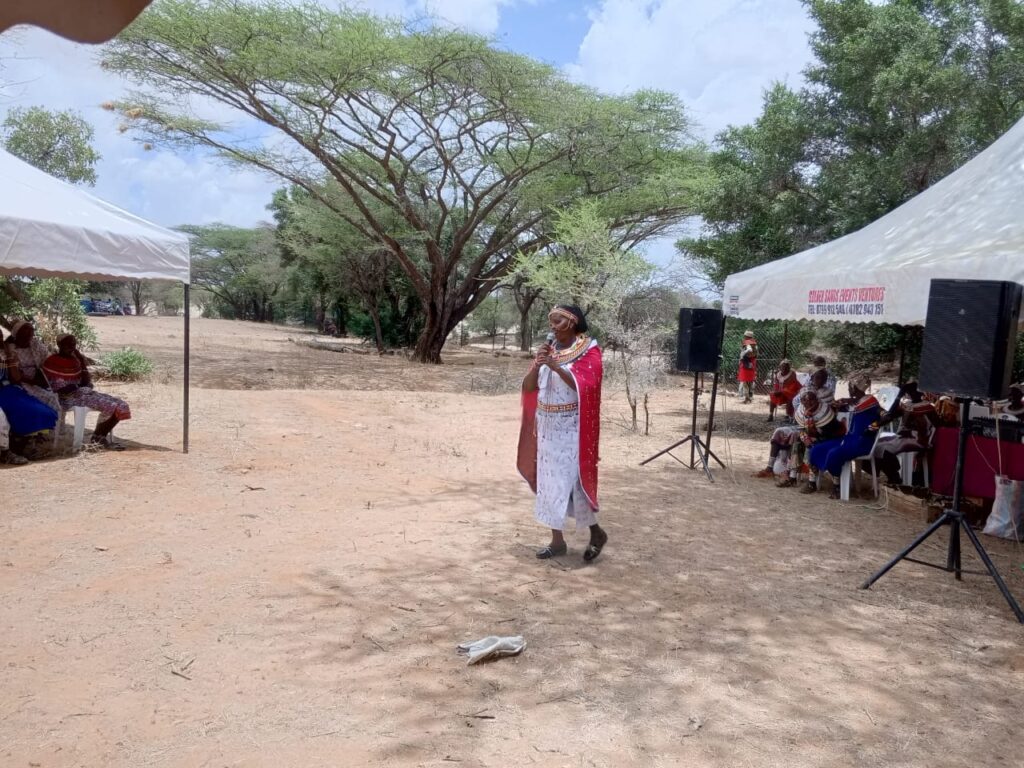
Pauline addresses women during the Marsabit women’s caucus.

As a member of the Sera Community Conservancy, Pauline’s conservation efforts earned her a position on the board, where she later became the tourism chairperson, breaking barriers as the only female in this role. Her journey continued as she was re-elected as the Conservancy’s Chairperson, solidifying her position as a powerful voice for women.

In 2018, Pauline joined Rangelands Savings and Credit Cooperative (Rangelands SACCO), an independent, community-owned, and membership-driven financial organization. Elected as the chairperson, she embraced the training and guidance provided by the SACCO to become a star entrepreneur. Through Rangelands SACCO, Pauline received loans that she strategically invested to catalyze the growth of her businesses. The entrepreneurial and financial literacy training, including business planning, customer service, marketing and branding, managing profits and losses, costing, and pricing, equipped her with the skills to manage every aspect of her enterprises.

Being among over 6,000 members, the impact of Rangelands SACCO on Pauline’s life is evident from an initial loan of KES 30,000 to her latest loan of KES 900,000. She secured her children’s education and a plot for her restaurant and invested in equipment and materials, elevating the quality of her services. The loans met her progressive targets and positioned her in a better place.

Pauline provides outside catering services at Uaso Girls to children on an educational trip.

Her entrepreneurial journey saw her venture into diverse fields, from groceries by the roadside to outside catering services and a Choma Zone (roast meat) restaurant that will serve travelers along Archers Post.

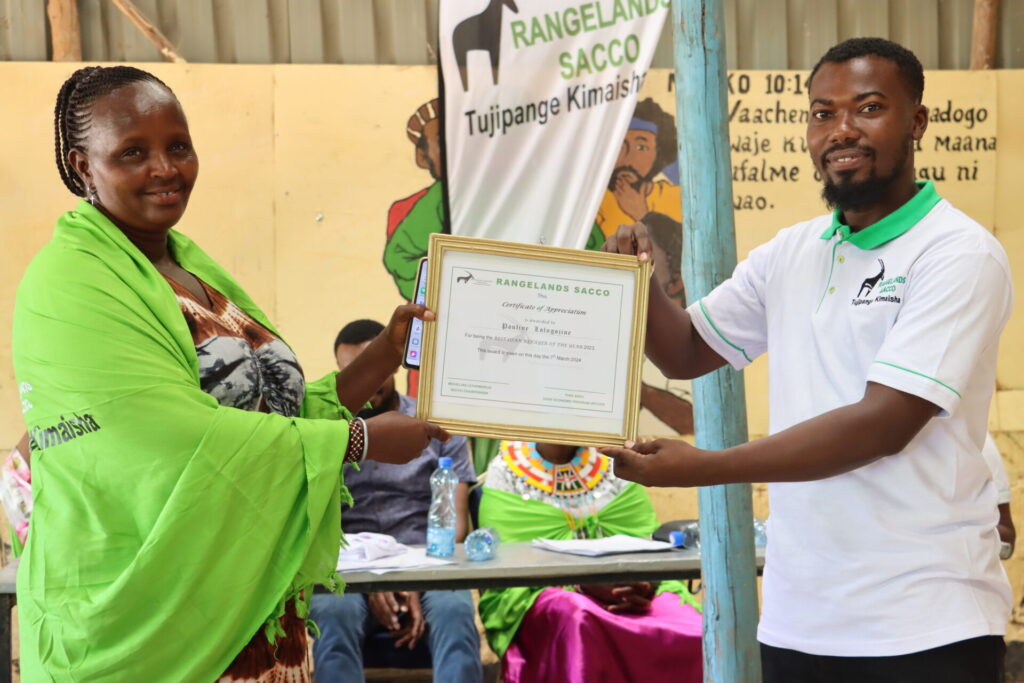
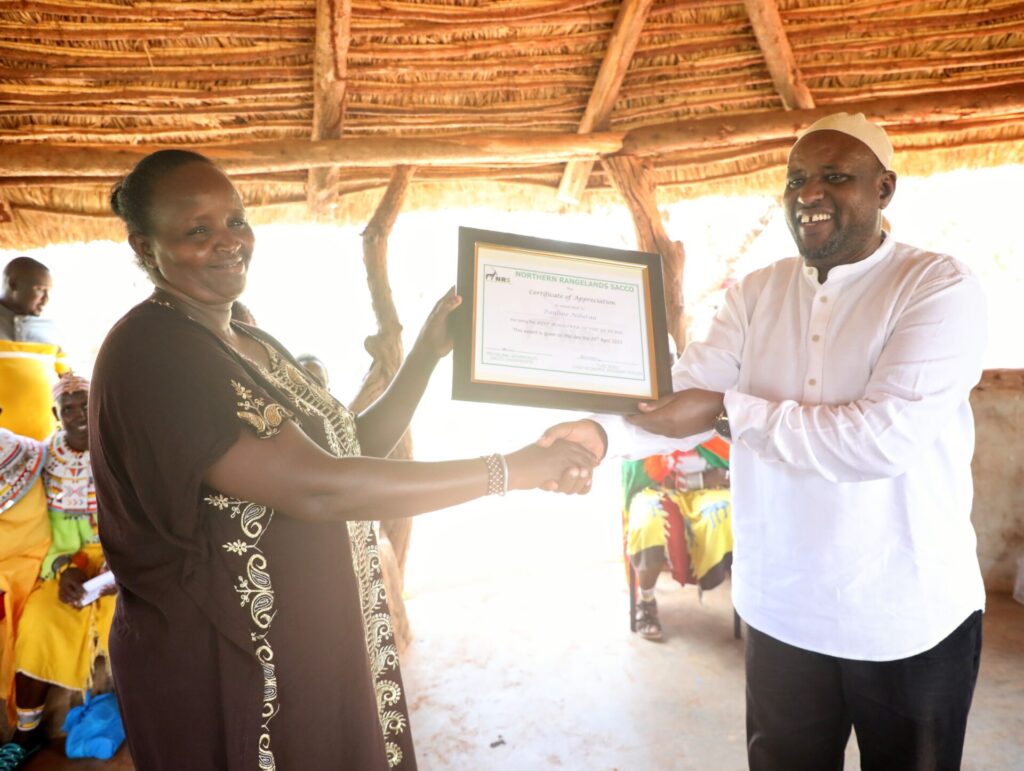
In the Annual Delegates Meetings held on 26th April 2023 and 7th March 2024, she was celebrated as the best borrower in 2022 and 2023, respectively. “The awards motivate me to keep achieving my goals in the Sacco and being a role model by uplifting others through giving them advice and showing them my best practices,” says Pauline. Her journey with Rangelands SACCO is not just about financial gains; it’s about inspiring and uplifting an entire community, creating a ripple effect of positive change. Pauline has become an employer, creating job opportunities and contributing to the economic growth of her community.

Pauline receives her certificate as the Best Borrower in 2023 during the Rangelands SACCO Annual Delegates Meeting held on 7th March 2024
Pauline receives her certificate as the Best Borrower in 2022 during the Rangelands SACCO Annual Delegates Meeting held on 26th April 2023

As Pauline envisions securing plots for accommodation facilities and campsites, her dreams extend beyond personal success. She aims to contribute to the growth of the local economy and leave an indelible mark on the community that she holds dear.

NRT Trading Biashara Mashinani is Changing Lives in Northern Kenya: Meet Charles Kibet!

Meet Charles Kibet Loyatoman, a young entrepreneur from Masol Conservancy in West Pokot County. After finishing his primary and secondary education, he faced financial difficulties that prevented him from pursuing a university education. This was a devastating setback as he dreamed of becoming a successful entrepreneur. However, he excelled in his high school business studies and remained optimistic that he could succeed.

In 2020, Charles moved to his current hometown, Orwa, where he developed a business idea. With a small amount of capital accumulated from casual employment, he opened a small barber shop offering phone charging services. This venture was his primary source of income for a year until he was introduced to the Biashara Mashinani program for entrepreneurship training.

“I was excited when I learned about the NRT Trading business training, which was forthcoming through our conservancy management. It was a stroke of luck because I needed guidance since I had just ventured into business,” Charles said.

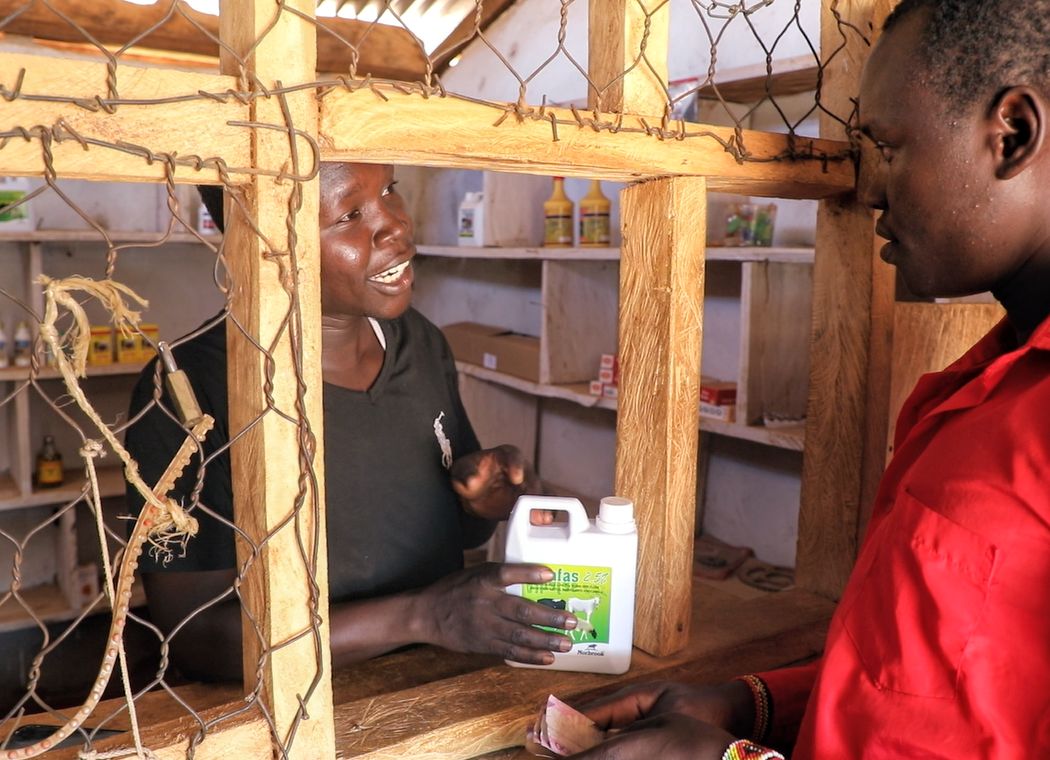
Charles attended the three-day module 1 business training with great enthusiasm. He was also fortunate to be among the entrepreneurs who received a loan worth KES 25,000 from the  Rangelands SACCO. In early 2021, he invested the money into establishing an agro-vet shop because he noticed a void that required filling. 

“I saw a lack of agro-vet shops in my community. I consulted experts on the dosage and the right drug for precise specifications and opened a shop. Now, I can attest that my customers have given me positive feedback on how my shop is helping their livestock be free from worms, reduce disease rate, and have good feeding contrary to when this business was not there,” Charles happily exclaimed.

Biashara Mashinani has also taught Charles the importance of diversifying his income. In addition to his agro-vet shop, Charles also sells all-gender clothes, which he claims are in high demand, especially during the rainy season. This was after his agro-vet business recorded slow growth and income because of the low demand rate during the prolonged drought in northern Kenya.

In 2022, Charles again appreciated the Rangelands SACCO as he used his savings of 35,000 shillings to set up a retail shop in Orwa town due to the high demand for essential household commodities. He added 50,000 shillings to establish phase two of a much more extensive and well-stocked retail shop

Recently, 27-year-old Charles was among the 40-star entrepreneurs trained further in business skills through the Biashara Mashinani program. He attributes his success to his desire for knowledge and consistency in training attendance.

 “It is through NRT Trading that I learned good financial habits like saving; now I have a savings account that has helped me during emergencies and to expand my businesses. Running these businesses simultaneously has been easy since I can keep records and monitor the progress,” he adds.

His businesses have him smiling to the bank, generating a monthly income of over 60,000 shillings, bringing him joy and satisfaction.

Charles has created employment for one youth in his businesses and hopes to create more opportunities and inspire other youths in his community to start their businesses.