

Loimap Lekula’s education journey was cut short in grade 6.
Perennial drought in Sasaab Village, Samburu County, where he lived with his parents, forced the now 29-year-old father of four and devoted husband to take care of his family’s livestock instead. For many years after he dropped out of school, Lekula’s days revolved around herding and grazing his family’s livestock across the vast northern Kenya rangelands. Often, he would trek long distances in search of pasture, while protecting the animals from harsh conditions and predators.
This was his routine until 2021, when he learnt about the Ufugaji Bora Mashinani Programme, run by MashinaniWORKS through West Gate Community Conservancy. Lekula decided to enroll, alongside 299 other herders.

The Program’s first training session covered livestock breeding and quickly became his favorite, as he learnt how to improve his livestock’s productivity through selective breeding. Inspired by this knowledge, Lekula purchased a Galla she-goat, a breed renowned for its superior quality. This decision increased Lekula’s milk production and improved his family’s nutritional health, instilling a sense of pride he had never experienced before.
The training also deepened Lekula’s understanding of climate change, a major challenge for pastoralists in northern Kenya. He learnt adaptation strategies, including preserving feed and breeding more resilient livestock. Having previously lost nearly all his cattle to drought, Lekula, who currently owns 20 goats and two cows, felt more prepared than ever to face the prolonged dry seasons that once decimated his herd.
“Not long ago, I had 20 cows and lost all but three to drought,” Lekula vividly recalls. “That huge
Loimap Lekula
loss taught me to adapt to our changing environment, and now I know how to prevent such
losses.”
The Ufugaji Bora Mashinani Programme appointed Lekula as a Livestock Marketing Agent (LMA). To enable him to conduct his responsibilities, he was issued a solar-powered smartphone through which he communicates and collects data. As an LMA, he disseminates information on market trends, the condition of grazing lands, and livestock health to other herders.
On the 20th of March, Lekula graduated alongside other herders at a spectacular ceremony to celebrate their completion of three years of training. When he received his certificate, he saw more than a piece of paper. For him, the certificate symbolised the dawn of a new era—an opportunity to help his community, share the knowledge he had gained, and break the cycle of poverty that had held him back for so long. Lekula realised he no longer was just a herder. Now, he was a trained professional with the skills to make a real difference in West Gate Community Conservancy.

After his graduation, Lekula joined a 30-member self-help group where he and his peers engage in various income-generating activities, including beading, selling livestock, and running small businesses. The group pools members’ earnings into a joint account, which creates a financial safety net that increases their resilience and provides timely support during difficult times.
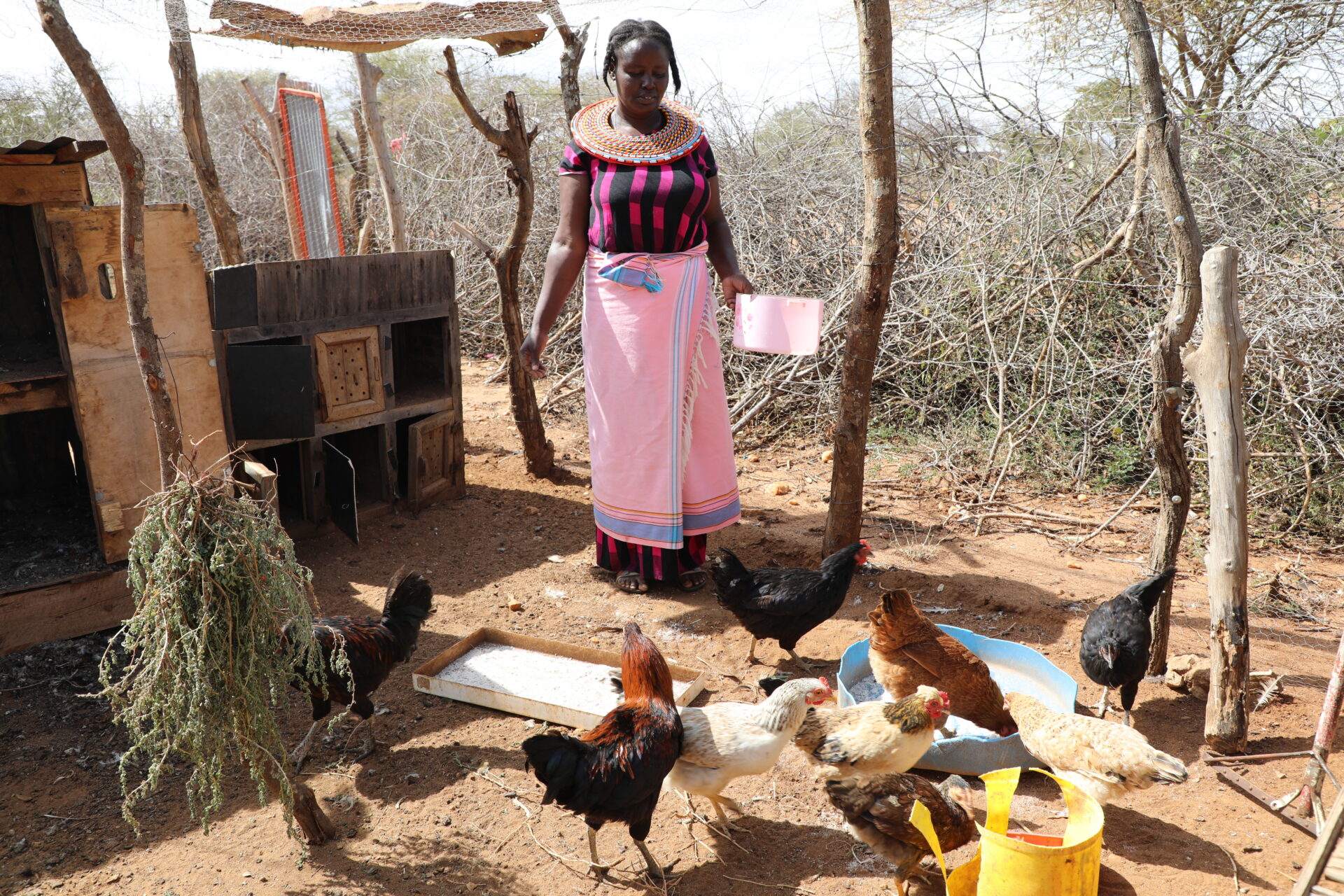
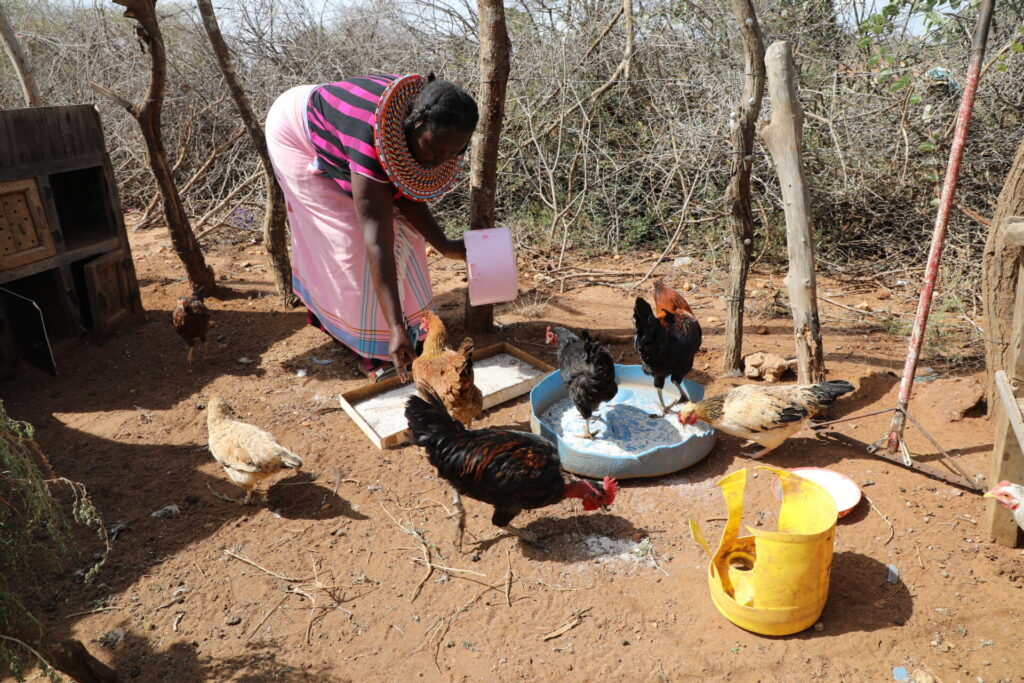
Beyond livestock farming and the self-help group’s activities, Lekula has ventured into poultry farming—a role traditionally perceived as reserved for women. Having begun with a modest flock, he now owns 55 chickens and regularly receives orders for eggs and meat. He reinvests the additional income in his goat herd, further increasing his financial stability.
Lekula envisions a future where every herder has a stable income and the skills to adapt to climate change, prevent losses, and secure fair livestock prices in the market. He strives to inspire the next generation and ensure that his children—and every child in his community—has access to nutritious food and better education.