A New Dawn: Ufugaji Bora Mashinani Radically Transforms a Herder’s Life

Loimap Lekula’s education journey was cut short in grade 6.

Perennial drought in Sasaab Village, Samburu County, where he lived with his parents, forced the now 29-year-old father of four and devoted husband to take care of his family’s livestock instead. For many years after he dropped out of school, Lekula’s days revolved around herding and grazing his family’s livestock across the vast northern Kenya rangelands. Often, he would trek long distances in search of pasture, while protecting the animals from harsh conditions and predators.

This was his routine until 2021, when he learnt about the Ufugaji Bora Mashinani Programme, run by MashinaniWORKS through West Gate Community Conservancy. Lekula decided to enroll, alongside 299 other herders.

The Program’s first training session covered livestock breeding and quickly became his favorite, as he learnt how to improve his livestock’s productivity through selective breeding. Inspired by this knowledge, Lekula purchased a Galla she-goat, a breed renowned for its superior quality. This decision increased Lekula’s milk production and improved his family’s nutritional health, instilling a sense of pride he had never experienced before.

The training also deepened Lekula’s understanding of climate change, a major challenge for pastoralists in northern Kenya. He learnt adaptation strategies, including preserving feed and breeding more resilient livestock. Having previously lost nearly all his cattle to drought, Lekula, who currently owns 20 goats and two cows, felt more prepared than ever to face the prolonged dry seasons that once decimated his herd.

“Not long ago, I had 20 cows and lost all but three to drought,” Lekula vividly recalls. “That huge
loss taught me to adapt to our changing environment, and now I know how to prevent such
losses.”

Loimap Lekula

The Ufugaji Bora Mashinani Programme appointed Lekula as a Livestock Marketing Agent (LMA). To enable him to conduct his responsibilities, he was issued a solar-powered smartphone through which he communicates and collects data. As an LMA, he disseminates information on market trends, the condition of grazing lands, and livestock health to other herders.

On the 20th of March, Lekula graduated alongside other herders at a spectacular ceremony to celebrate their completion of three years of training. When he received his certificate, he saw more than a piece of paper. For him, the certificate symbolised the dawn of a new era—an opportunity to help his community, share the knowledge he had gained, and break the cycle of poverty that had held him back for so long. Lekula realised he no longer was just a herder. Now, he was a trained professional with the skills to make a real difference in West Gate Community Conservancy.

Loimap Lekula receives his certificate of completion from the Ufugaji Bora Mashinani program on the 20th of March, 2024.

After his graduation, Lekula joined a 30-member self-help group where he and his peers engage in various income-generating activities, including beading, selling livestock, and running small businesses. The group pools members’ earnings into a joint account, which creates a financial safety net that increases their resilience and provides timely support during difficult times.

Beyond livestock farming and the self-help group’s activities, Lekula has ventured into poultry farming—a role traditionally perceived as reserved for women. Having begun with a modest flock, he now owns 55 chickens and regularly receives orders for eggs and meat. He reinvests the additional income in his goat herd, further increasing his financial stability.

Lekula envisions a future where every herder has a stable income and the skills to adapt to climate change, prevent losses, and secure fair livestock prices in the market. He strives to inspire the next generation and ensure that his children—and every child in his community—has access to nutritious food and better education.
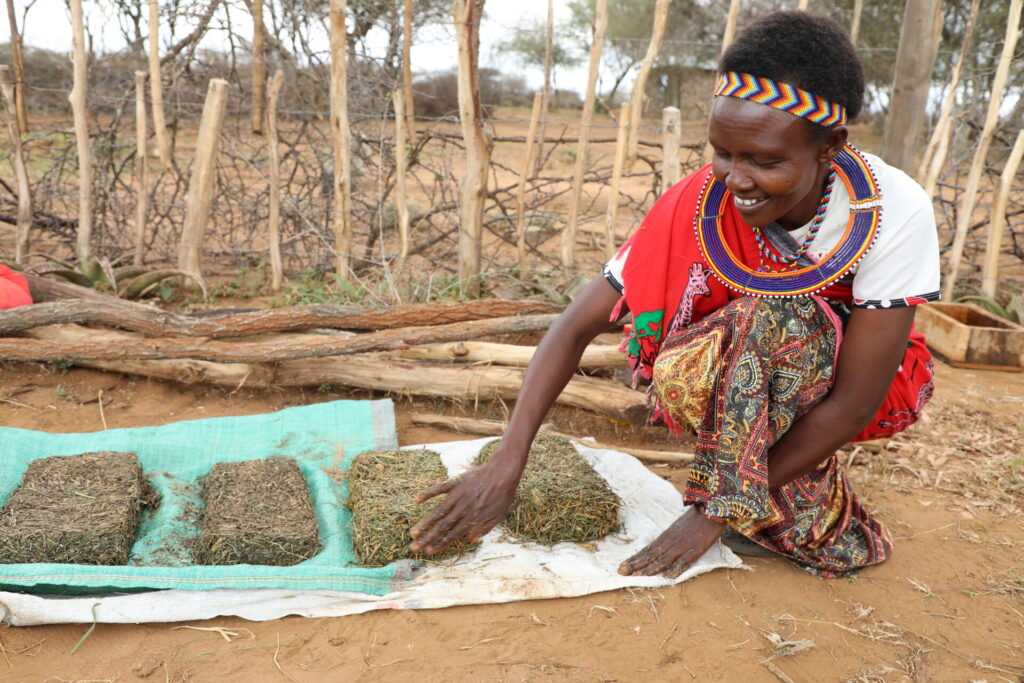
Turning Grass into Gold:  The Remarkable Journey of Grace Meitiaki from Herder to Innovator in Pasture Production

Grace Meitiaki, at 46 years of age, has walked the challenging path of a herder for many years, practicing the traditional ways of livestock keeping. This journey was marred by losses, with her livestock bearing the brunt of her outdated methods. But like a resilient sprout emerging through cracked earth, Grace’s story took a heartwarming twist.

In 2021, Grace’s fortunes began to change as she seized the opportunity to participate in the Ufugaji Bora Mashinani program supported by the USAID Local Works program, targeting 300 herders. Through this initiative, she embarked on a transformative four-module training course on better animal husbandry. The year 2023 marked a significant turning point when Grace, alongside 30 other Livestock Market Agents (LMAs), embarked on an enlightening exposure tour at the Kenya Agricultural Livestock Research Organisation (KALRO). This tour, a pivotal moment in her journey, expanded her horizons, propelling her newly acquired skills to greater heights, particularly in pasture production and management.

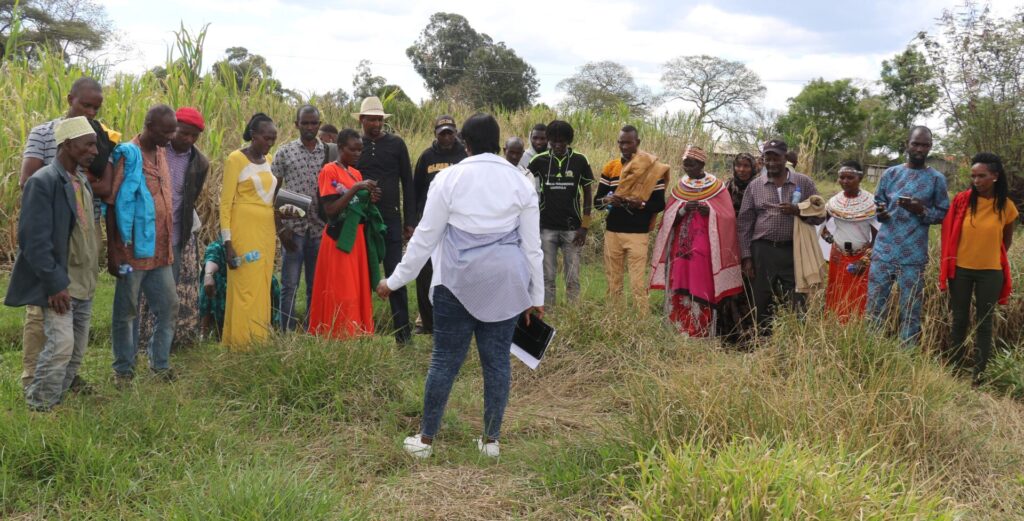
Grace, among other Livestock Marketing Agents (LMAs), during an exposure tour visit at KALRO Beef Research Centre, Nakuru.

Grace reflects on the eye-opening experience, stating, “The learning tour provided us with a platform to interact with experts, ask questions, and witness the practical application of the concepts we were trained on.”

With newfound knowledge and determination, Grace began a remarkable journey. She decided to invest in pasture production on her secluded piece of land, turning what was once overlooked grass into her most valuable asset. In doing so, she proved that knowledge could shatter stereotypes and barriers.

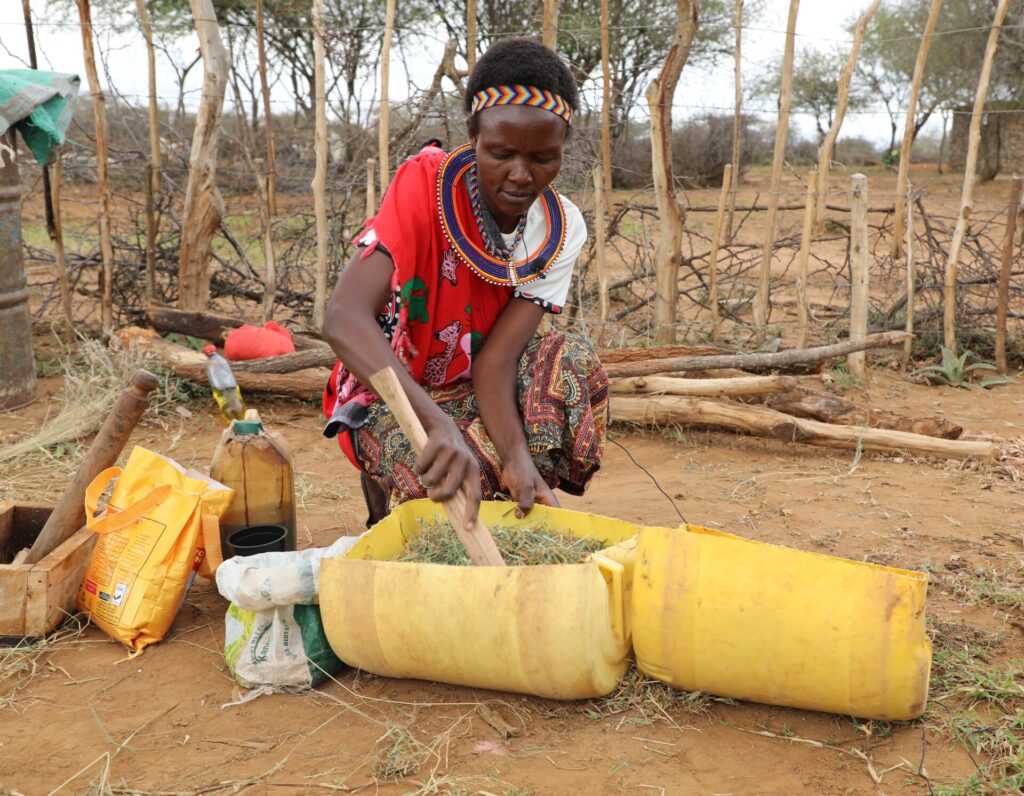
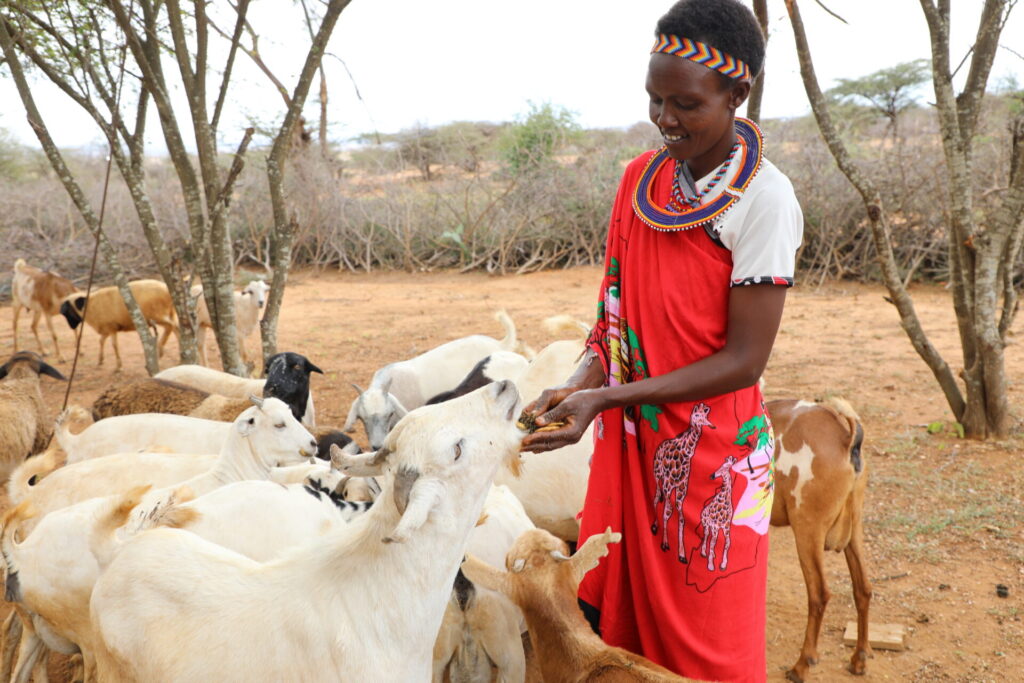
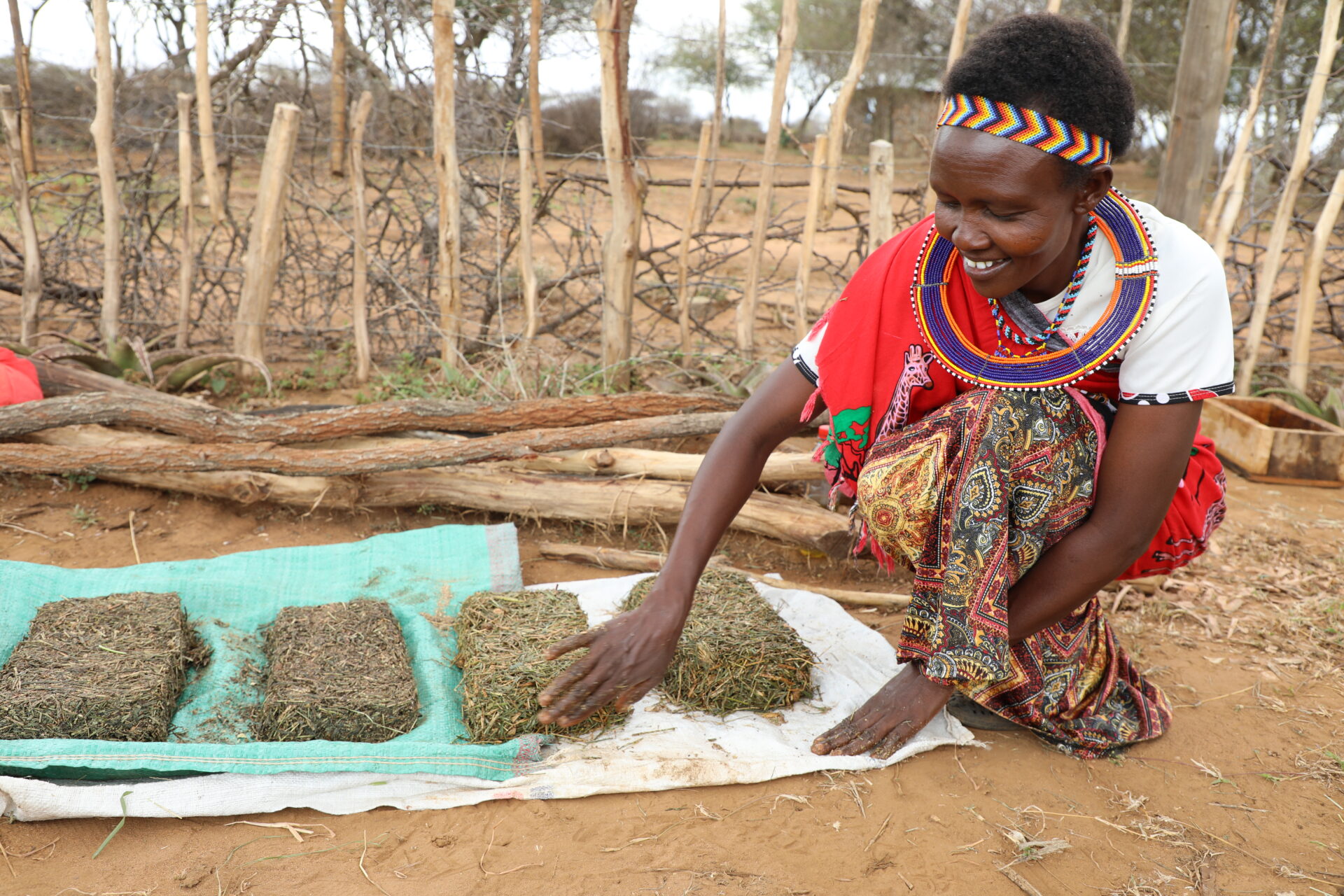
Her motivation was clear. Grace explained, “I was very keen on pasture production and management because I have been losing hundreds of livestock due to drought.” The transformation was palpable as she began producing her balanced animal blocks, enriching them with vital nutrients through animal salt, animal feeds, and molasses, all preserved under low heat.

But the story doesn’t conclude there. Grace’s training extended to module three, where she learned about conservation. Here, she discovered the potential of collecting acacia pods and preserving them, providing a lifeline to her livestock during the unforgiving drought seasons. Encouraged by the success of her initial trials, she’s preparing another piece of land to expand her pasture production. Grace also extends her heartfelt appreciation to her husband, Richard Metiaki, for his unwavering support.

In her own words, Grace emphasizes the profound impact of knowledge, stating, “Knowledge is power. I am a better herder, all thanks to Ufugaji Bora Mashinani. I am training other group members on this new venture so they can safeguard their livestock in the future.” Her joyful testimony speaks volumes about the ripple effect of education and training, creating a virtuous cycle that uplifts individuals and the entire livestock value chain.

Grace Meitiaki’s journey is a testament to the remarkable transformations that can occur when education, dedication, and support converge. Her story serves as a beacon of hope, reminding us that with the right tools and knowledge, anyone can overcome challenges and pave the way for a brighter, more sustainable future.

NRT Trading Biashara Mashinani is Changing Lives in Northern Kenya: Meet Charles Kibet!

Meet Charles Kibet Loyatoman, a young entrepreneur from Masol Conservancy in West Pokot County. After finishing his primary and secondary education, he faced financial difficulties that prevented him from pursuing a university education. This was a devastating setback as he dreamed of becoming a successful entrepreneur. However, he excelled in his high school business studies and remained optimistic that he could succeed.

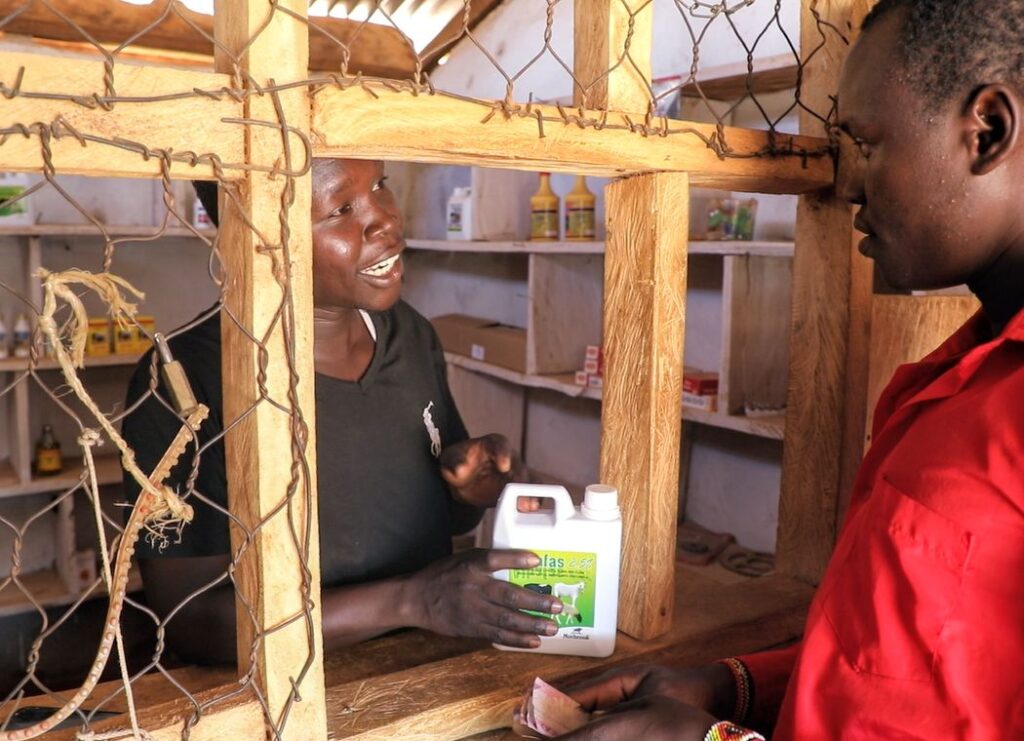
In 2020, Charles moved to his current hometown, Orwa, where he developed a business idea. With a small amount of capital accumulated from casual employment, he opened a small barber shop offering phone charging services. This venture was his primary source of income for a year until he was introduced to the Biashara Mashinani program for entrepreneurship training.

“I was excited when I learned about the NRT Trading business training, which was forthcoming through our conservancy management. It was a stroke of luck because I needed guidance since I had just ventured into business,” Charles said.

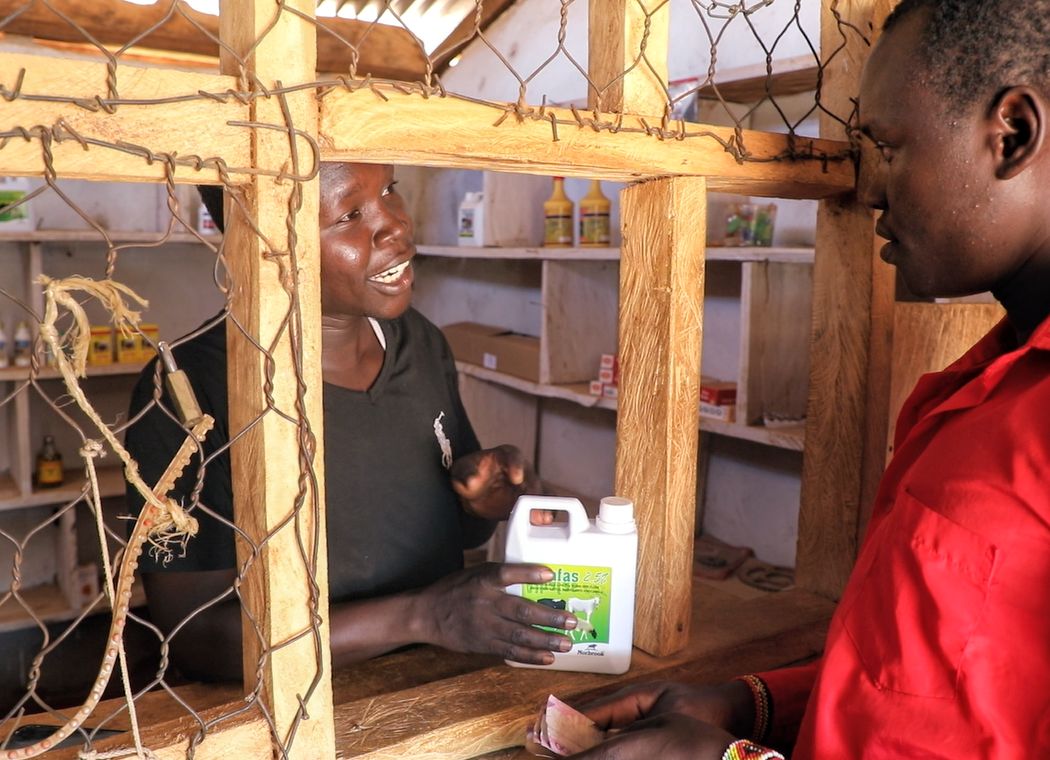
Charles attended the three-day module 1 business training with great enthusiasm. He was also fortunate to be among the entrepreneurs who received a loan worth KES 25,000 from the  Rangelands SACCO. In early 2021, he invested the money into establishing an agro-vet shop because he noticed a void that required filling. 

“I saw a lack of agro-vet shops in my community. I consulted experts on the dosage and the right drug for precise specifications and opened a shop. Now, I can attest that my customers have given me positive feedback on how my shop is helping their livestock be free from worms, reduce disease rate, and have good feeding contrary to when this business was not there,” Charles happily exclaimed.

Biashara Mashinani has also taught Charles the importance of diversifying his income. In addition to his agro-vet shop, Charles also sells all-gender clothes, which he claims are in high demand, especially during the rainy season. This was after his agro-vet business recorded slow growth and income because of the low demand rate during the prolonged drought in northern Kenya.

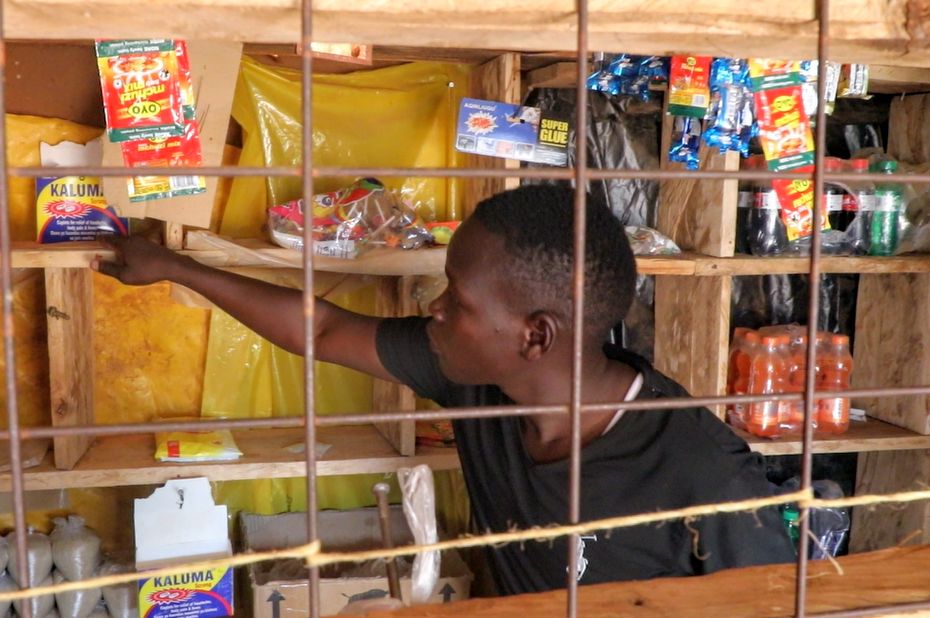
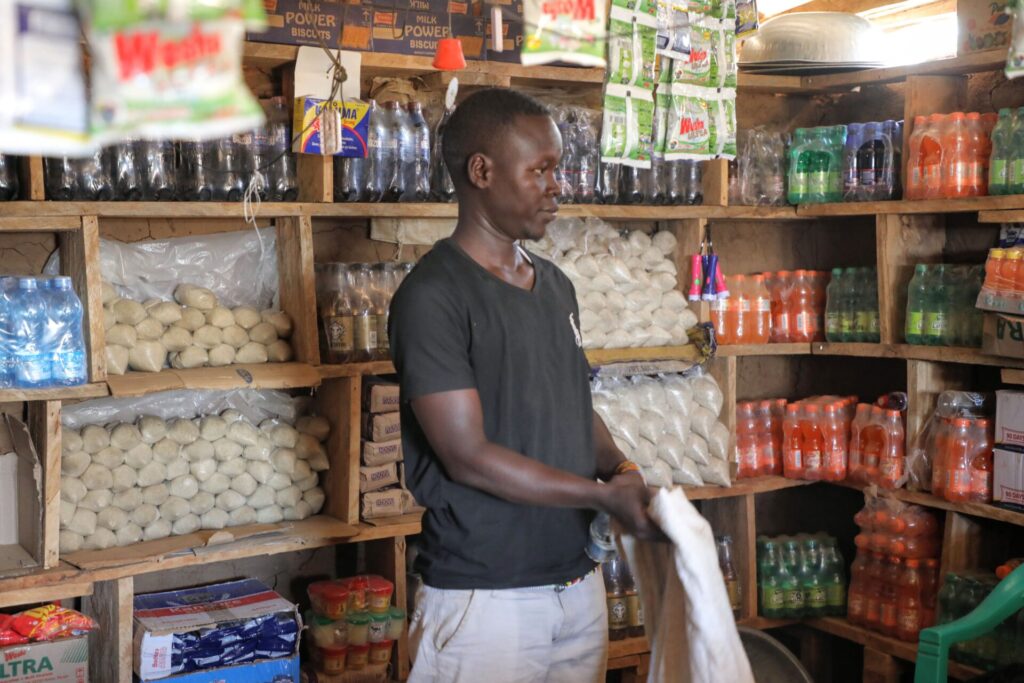
In 2022, Charles again appreciated the Rangelands SACCO as he used his savings of 35,000 shillings to set up a retail shop in Orwa town due to the high demand for essential household commodities. He added 50,000 shillings to establish phase two of a much more extensive and well-stocked retail shop

Recently, 27-year-old Charles was among the 40-star entrepreneurs trained further in business skills through the Biashara Mashinani program. He attributes his success to his desire for knowledge and consistency in training attendance.

 “It is through NRT Trading that I learned good financial habits like saving; now I have a savings account that has helped me during emergencies and to expand my businesses. Running these businesses simultaneously has been easy since I can keep records and monitor the progress,” he adds.

His businesses have him smiling to the bank, generating a monthly income of over 60,000 shillings, bringing him joy and satisfaction.

Charles has created employment for one youth in his businesses and hopes to create more opportunities and inspire other youths in his community to start their businesses.