
On a normal day, you’ll find her sitting cross-legged low to the ground on a flattened carton that shields her from the dust and rough soil beneath just outside her manyatta in Ngare Ndare. A shallow container beside her is filled with glass beads—blue, black, white, red, yellow, and green. A thin wire rests between her fingers, and she threads each bead onto it. It’s clear what she is making will turn out incredibly good, as her arms are lined with bangles and bracelets, her neck heavy with lkiripa (neckpieces)—layers she’s added over time, made by her own hands.
Sometimes she works alone. On other days, she is with her group of 10 women, beading as they talk or sing their favorite Maa songs.
Meroni Leruso never knew she would become the remarkable woman she is today. She remembers growing up in a patriarchal society that often overlooked the girl child – a woman’s value was to take care of her children and conduct household duties. Marital problems from their polygamous family cost Meroni her right to quality education, and long before she could hardly memorize the alphabetical order, she was taken out of school – Nursery school.
She had no option but to stay home and help her mother whenever she could. On school days, while carrying out tasks like collecting firewood or fetching water, she would encounter other children on their way to school – a dream that remained just that.
At just 14 years old, life threw Meroni another harsh blow when she was married off against her will. While other girls her age were attending school, she found herself thrust into the demanding roles of a wife and mother.
Meroni would later find herself doing small daily hustles like farming for others and selling firewood to make ends meet. Eventually, she separated from her husband, which left her facing the challenge of raising her children on her own. At times, she had to leave them behind to go hustle and had to pay someone to care for them, which was a heavy burden for her.
Her paths crossed with women from her village who were already BeadWORKS artisans. As a cultural activity associated with her community, she felt the urge to join them. In 2021, the single mother of three joined BeadWORKS, aiming to earn extra money to support her children and cover household expenses.
As she beaded, BeadWORKS became more than a source of income. She has embraced conservation, enjoying the process of making orders that require loom beading and bracelet-making, with lion and zebra-inspired colorways. Additionally, the leadership training and exposure tours she received through BeadWORKS have helped her grow into a respected leader among her beading group and in the broader community. Meroni now holds the title of Star Beader in her group at Il Ngwesi Conservancy, where she serves as the point of contact and ensures the quality of the assigned products meets standards before sending them to the BeadWORKS office.

“I am very confident now; I speak in big community meetings and contribute to issues that affect the community and me. I now get invited to talk to women in my village and am often hired by partner organizations to train others in beading.”
Meroni has also contributed to peace efforts that have helped conflicting groups, like the Samburu and Maasai communities, mend their relationships. But nothing prepared her for the day her phone rang with a call from the State House in 2016, and she was acknowledged for her contribution to peace efforts. This was an incredibly surreal and emotional experience for Meroni that filled her with a sense of pride and validation for the hard work she voluntarily put in.
Meroni is now a skilled artisan, thriving in her craft, making products for the local and international markets. Her vision for the next 2–3 years is to run a business, further educate her children, and own a plot of land.
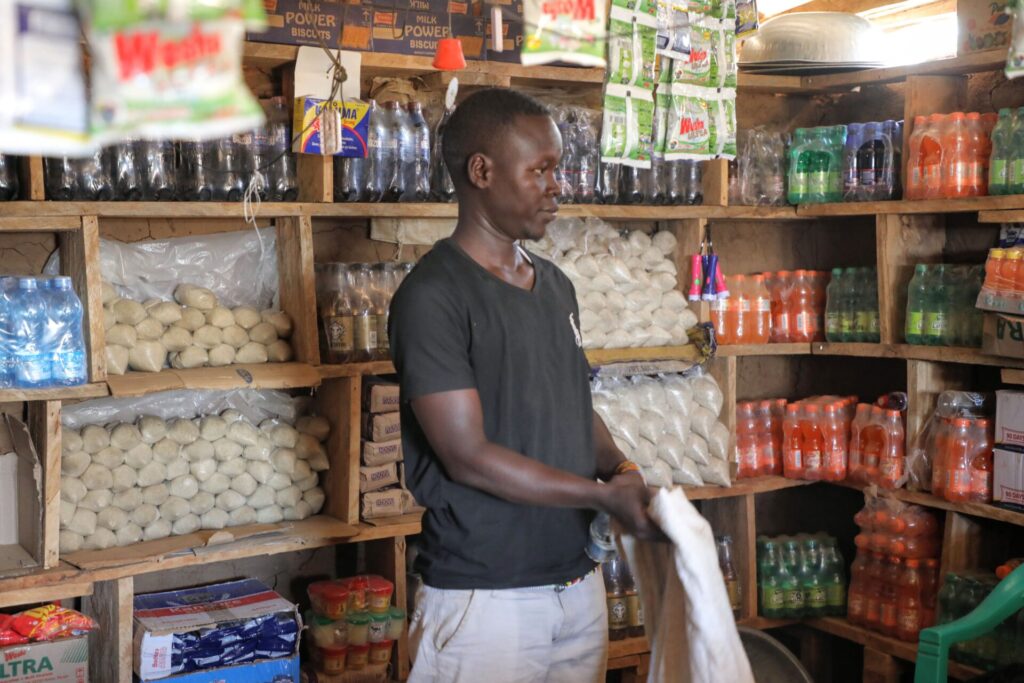
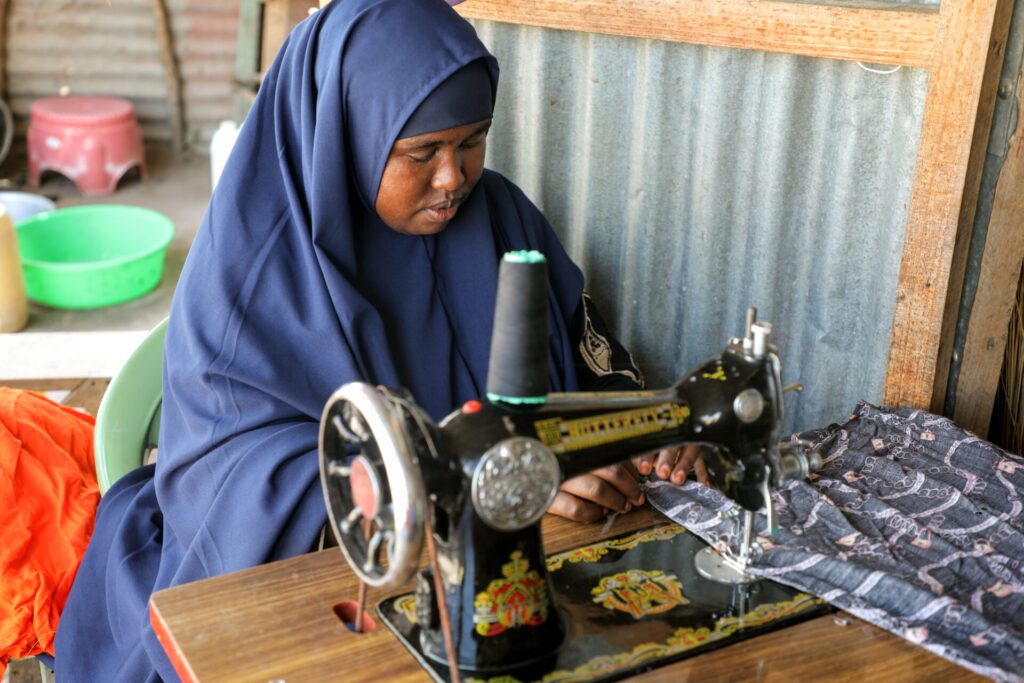
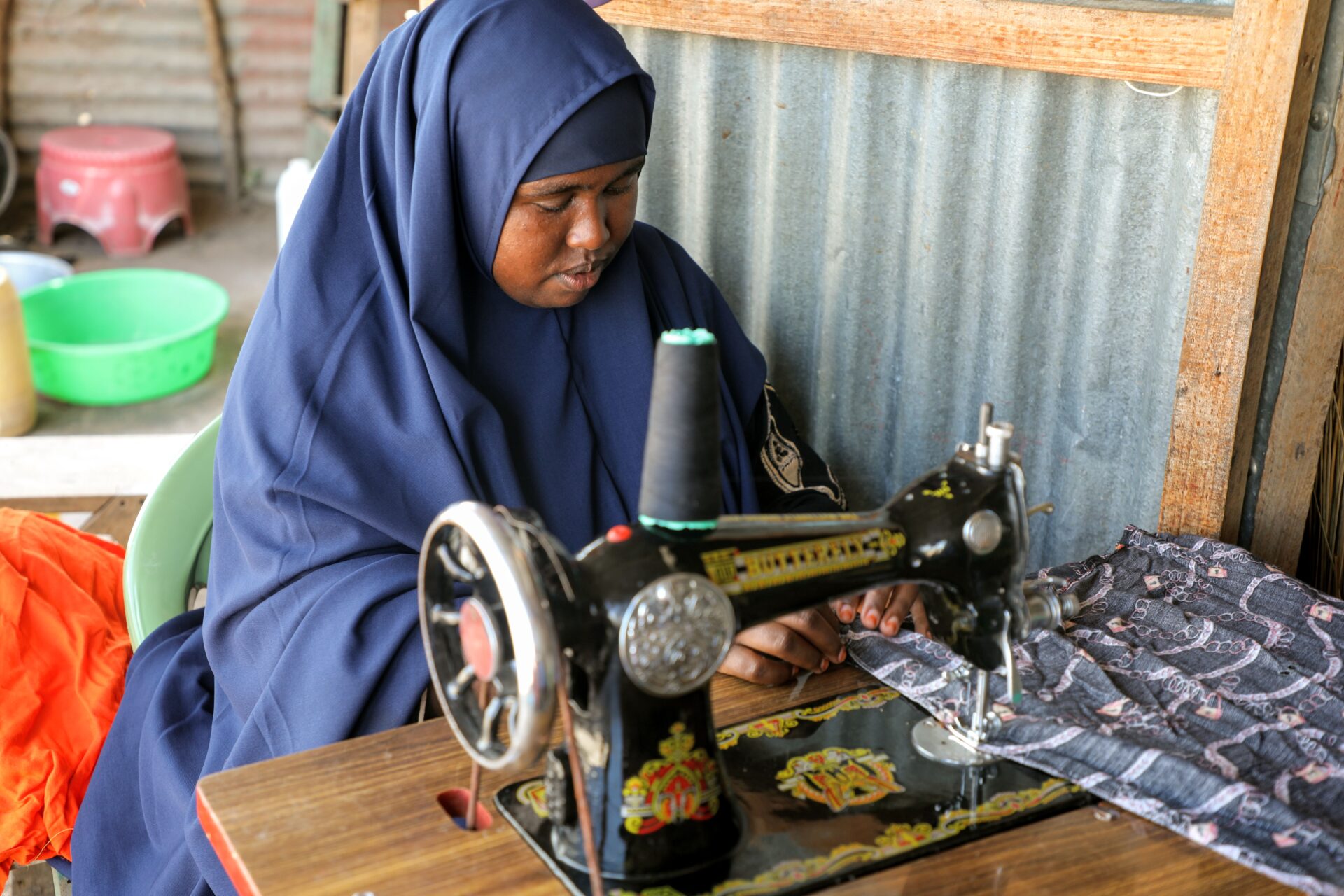
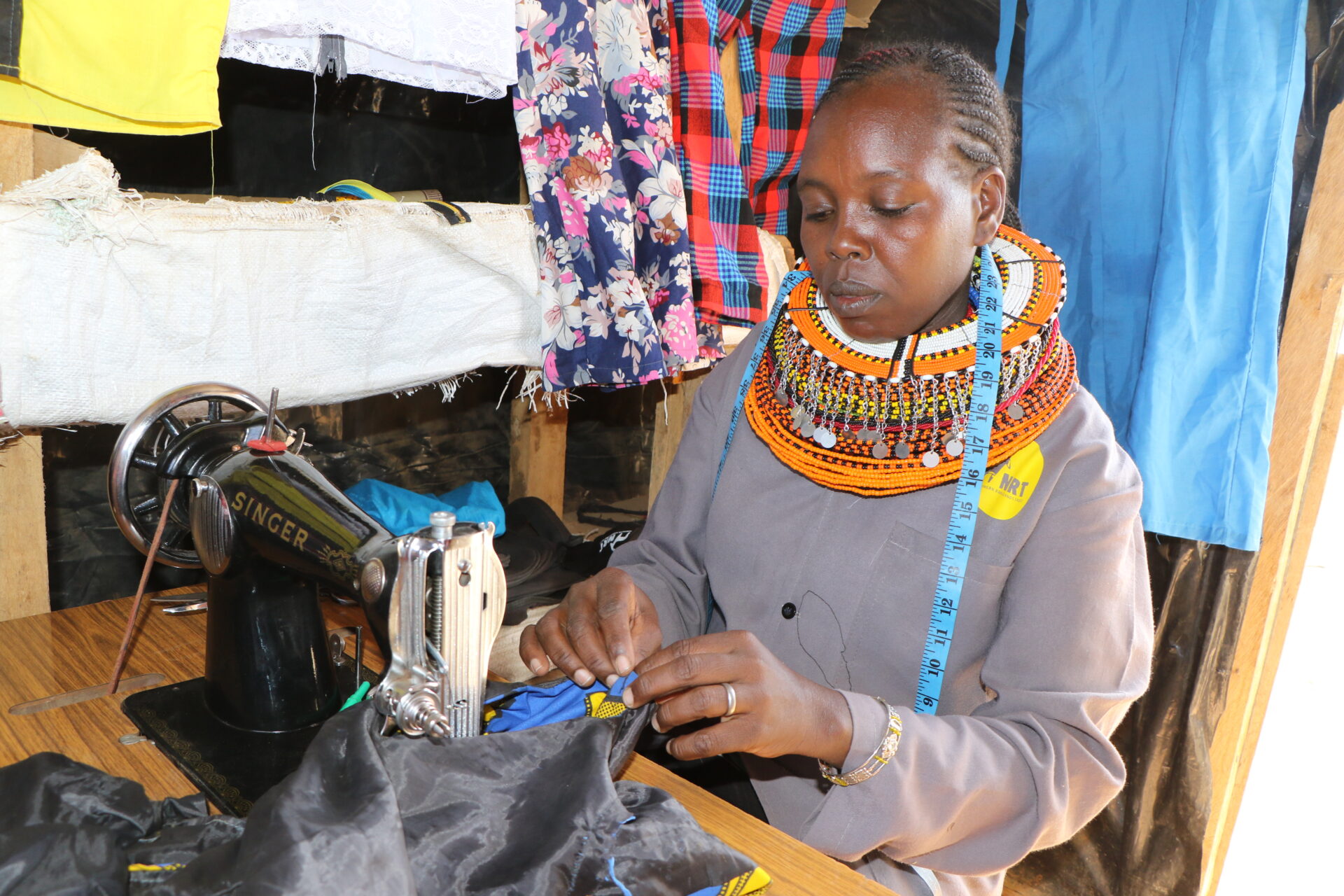
Twenty-six-year-old Sudha Mohamed is a Ujuzi Manyattani beneficiary who graduated in January 2023 with a tailoring and dressmaking course, among 29 others from Ishaqbini Hirola Community Conservancy in Garissa County.
Now, Sudha wasn’t your average girl next door. At the tender age of 17, she was married off, dashing her dream of attending university. However, Sudha wasn’t one to let life’s curveballs get the better of her.
Sudha had always been fascinated by beautifully mended clothes. She would gaze longingly at women parading their expensive outfits, wondering if she could ever create such masterpieces. Guess what? She decided to pursue her passion for tailoring; come what may!

Sudha joined Ujuzi Manyattani, a USAID-funded Local Works program that aims to empower youth and women in the community with valuable skills. She wanted to be a shining example for her younger siblings and make her dear mother proud. Through Ujuzi, she succeeded!
“Thanks to Ujuzi Manyattani, I received a tool kit on graduation day! I set up my tailoring shop right outside my mother’s store,” said Sudha.
She adds that the shop was to her advantage because she didn’t have to incur any extra costs like rent, electricity, and water bills, bearing in mind that this was supposed to be her only source of income and that her husband was jobless.
At the crack of dawn, you can find Sudha bustling in her shop, armed with measuring tapes, fabric scissors, and a trusty sewing machine. She meticulously takes measurements, jots them down, and expertly cuts fabrics, twirling the sewing machine like a pro. Sudha is a force to be reckoned with!
“What a stroke of luck that NRT Trading brought Ujuzi Manyattani right to our villages!” Sudha exclaims. “Now, I’m not just a tailor but also an entrepreneur. I’ve learned to plan my business, budget, and entertain my customers.”
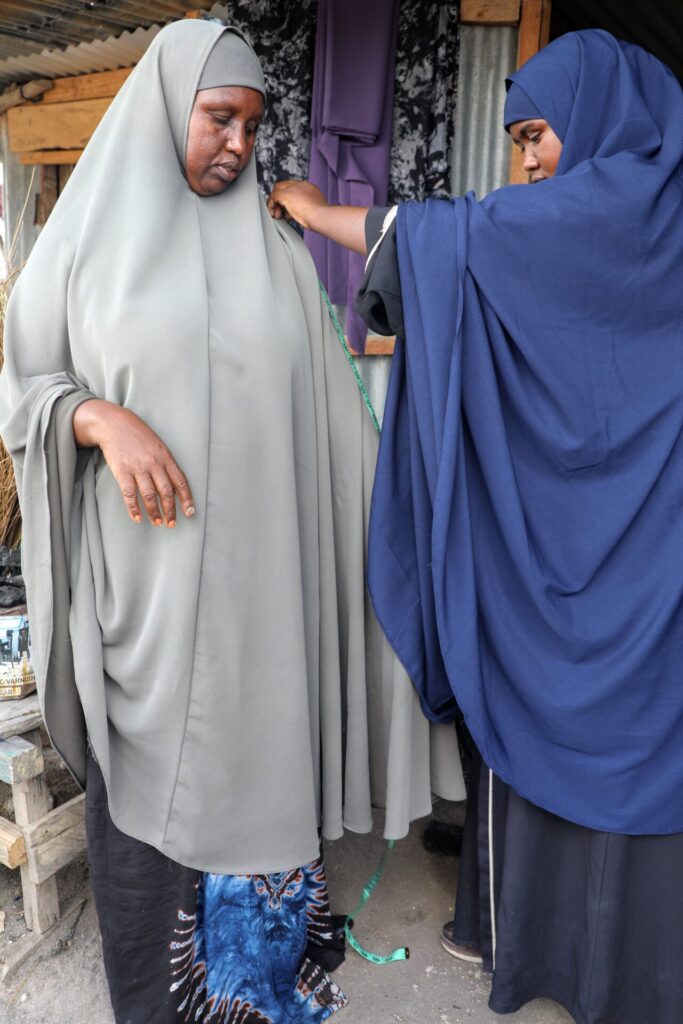
With her newfound skills, Sudha earns up to KES 1,000 daily. Sure, it is not a fortune, but it is enough to keep food on the table and household utilities in check.
In a sea of competing tailors, Sudha stands out from the crowd. Why, you may ask? It is all because of the valuable advice she received from the NRT Trading Biashara Mashinani team. They stressed the importance of politeness and honesty with customers. Sudha is no “lying tailor”! She always keeps her word and finishes her work before the deadline. A true professional, indeed!
With dreams in her heart and a sewing needle in her hand, Sudha aspires to open a more extensive shop named after NRT Trading. She wants to be the talk of the town—a renowned tailor, supplier, and wholesaler all in one. And if that isn’t enough, Sudha hopes to inspire young girls like herself to enroll in similar training programs, empowering them to improve their lives.
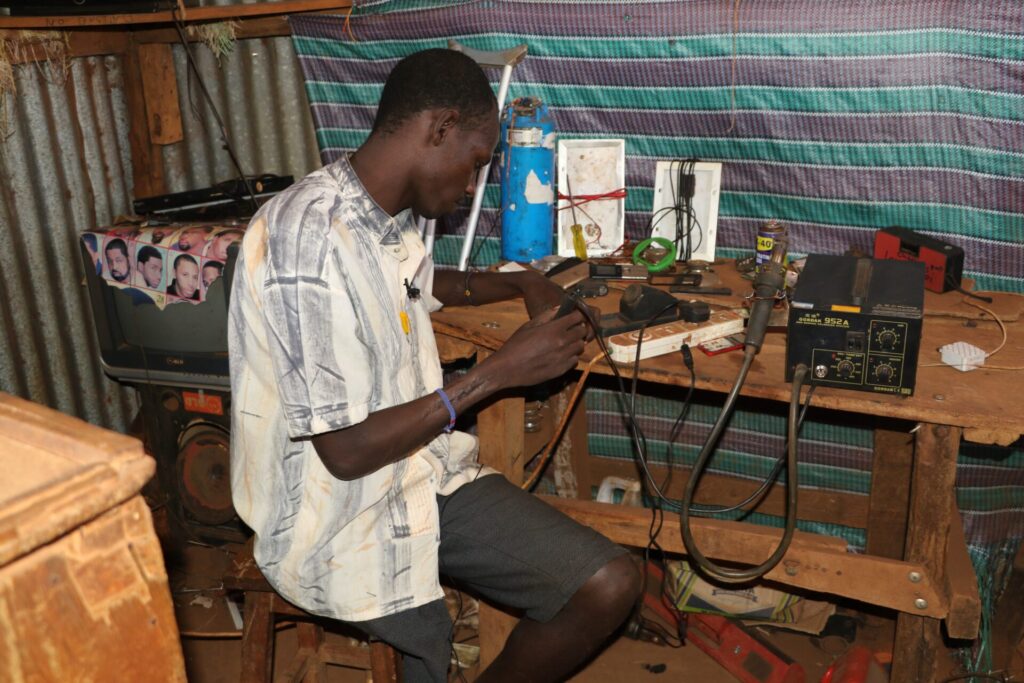
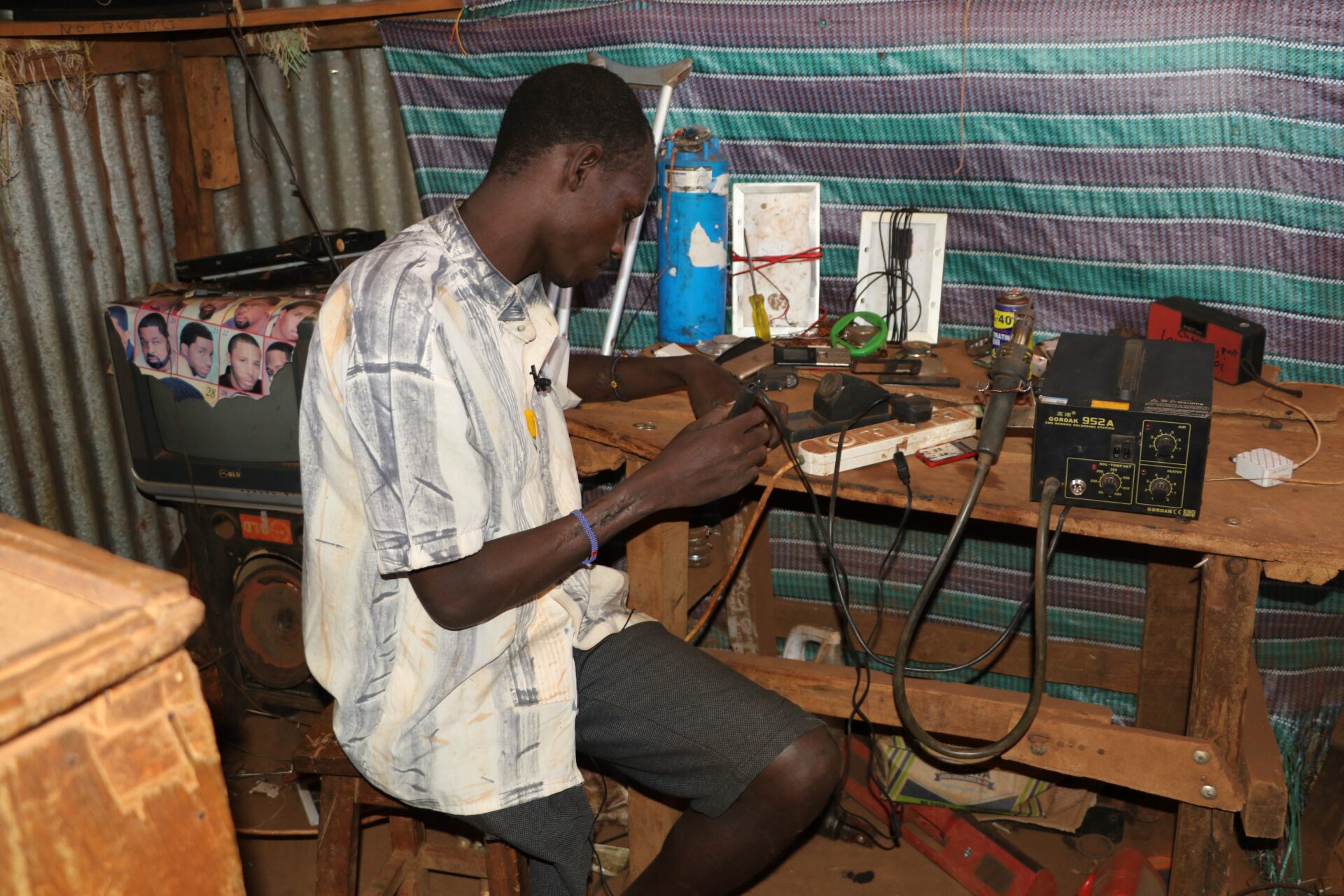
But Peter refused to let his disability define him. He was determined to make a better life for himself. He enrolled in a phone repair course in the Ujuzi Manyattani program, which provided him with the skills and resources to start his own phone repair business.
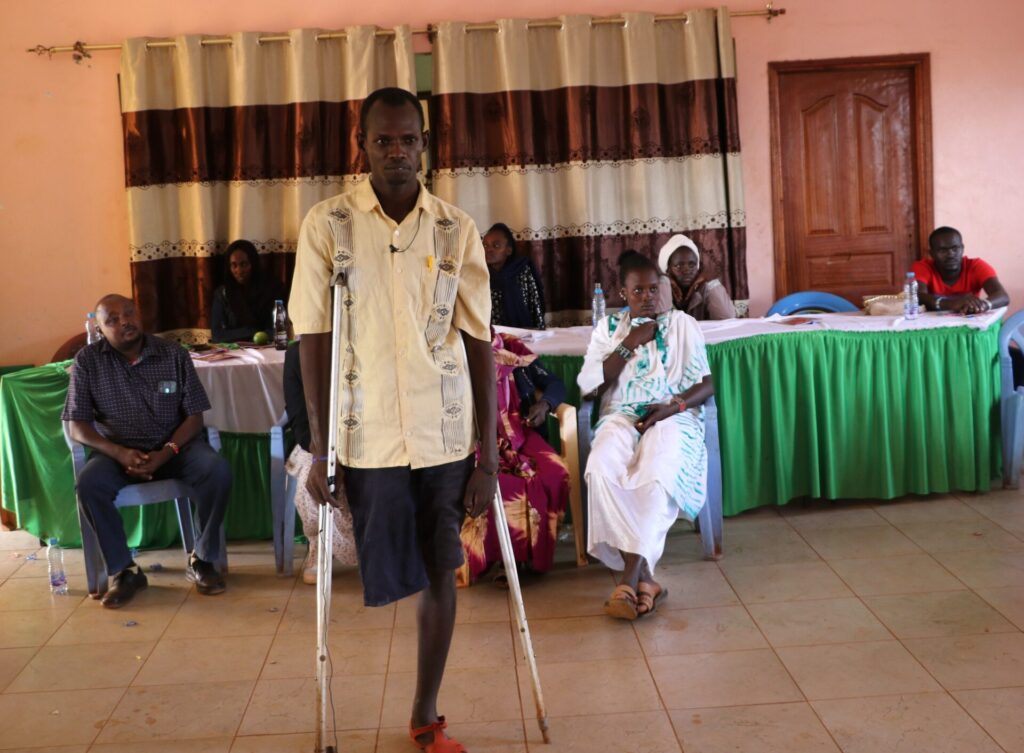
Peter’s will to succeed paid off, and he now runs a successful phone repair shop in Karare town, Songa Conservancy. His services have been a lifeline for the people in his community who previously had to travel far to Marsabit town for phone repairs. Peter’s business has not only provided him with a reliable livelihood but has also given him a sense of pride and purpose.
“When I joined Ujuzi Manyattani, my life was never the same; it restored my hope and the will to live,”
Peter.
But Peter didn’t stop there. He expanded his business to include a barber shop (Kinyozi), which increased his income and provided additional services to his customers
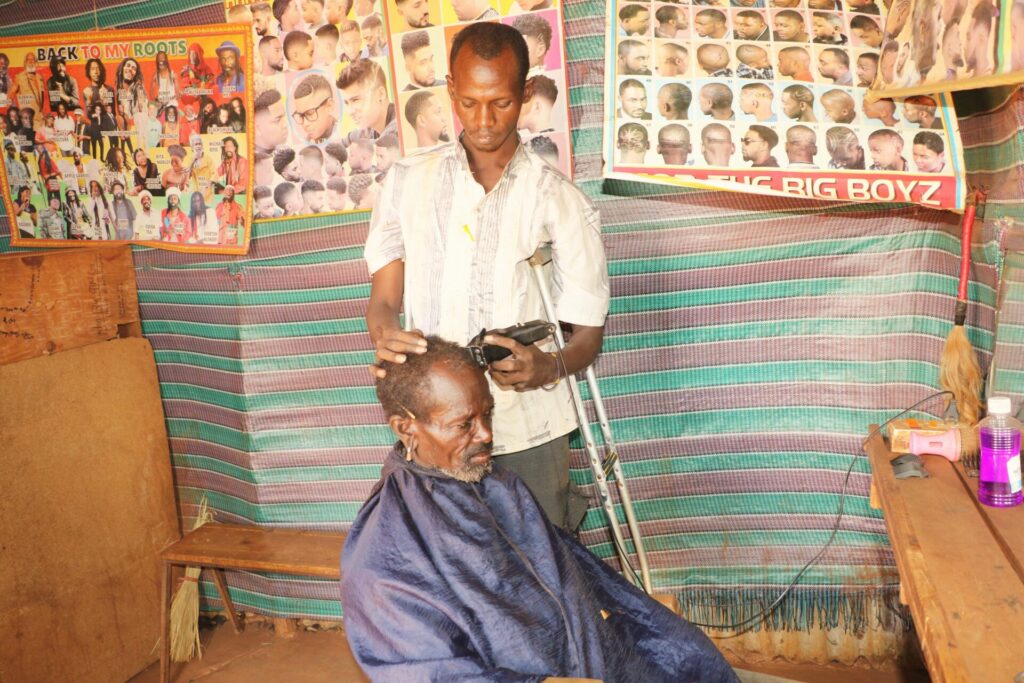
Peter’s story is a testament to the power of determination and the impact programs like Ujuzi Manyattani can have on people’s lives. Despite his challenges, he has refused to give up on his dreams and has built a better life for himself and his community. His success has inspired others in his community, and he has become a role model for young people.
“Many in my position are begging in the streets, but for me, I am earning income through phone repair services,”
Peter adds.
Peter’s success story is just one example of Ujuzi Manyattani’s impact on communities across northern Kenya.
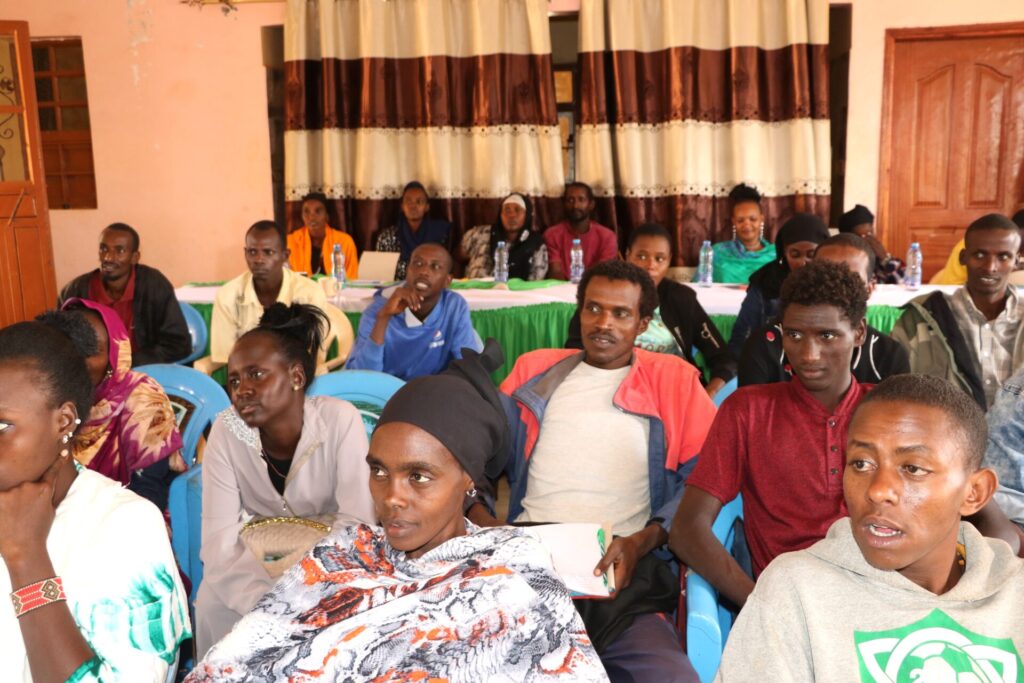
Ujuzi Manyattani is an NRT Trading program that builds the resilience and determination of youth and women in Kenya’s marginalized communities. The program provides training in various skills, including phone repair, hairdressing, and motorcycle repair, to help individuals build their businesses and become self-reliant.
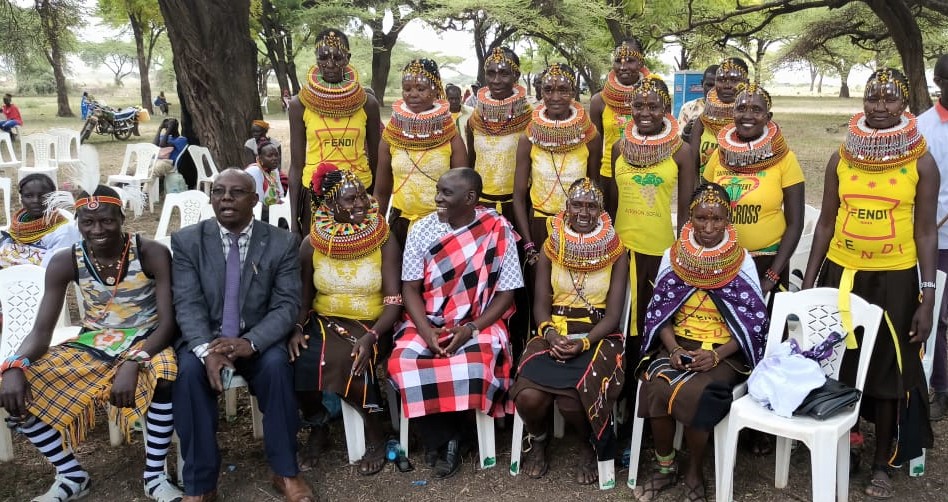
In the heart of northern Kenya lies a program that is changing lives and providing hope to those who never thought they had a chance. NRT Trading Ujuzi Manyattani; is a mobile-integrated vocational training program that provides access to learning, adult literacy, and entrepreneurship skills to people from disadvantaged backgrounds and those without formal education.
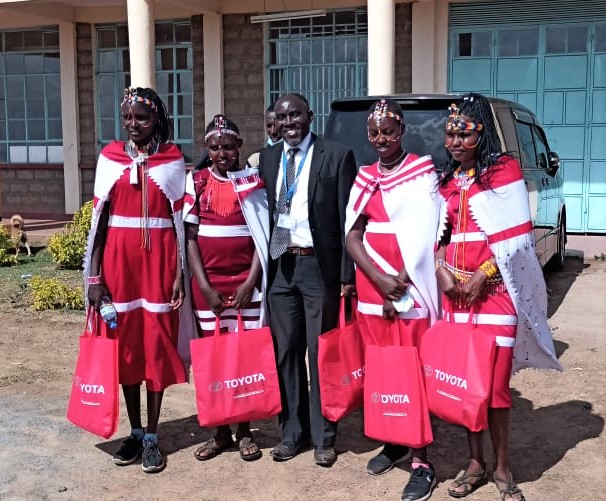
Partnering with institutions such as Kiirua Technical Training Institute and Laikipia North Technical and Vocational College, Ujuzi Manyattani has been making waves since its inception in 2019.
We spoke with Maina Njane, the Principal of Laikipia North Technical and Vocational College, about the program and its impact on the region.
Mr. Maina is an Electrical Engineer who climbed the ladder to a principal in February 2018, just as the vocational training institution was established. Mr. Maina is a huge advocate of the Ujuzi Manyattani program and has nothing but praise for it. “It’s the best thing that ever happened,” he says with a smile.
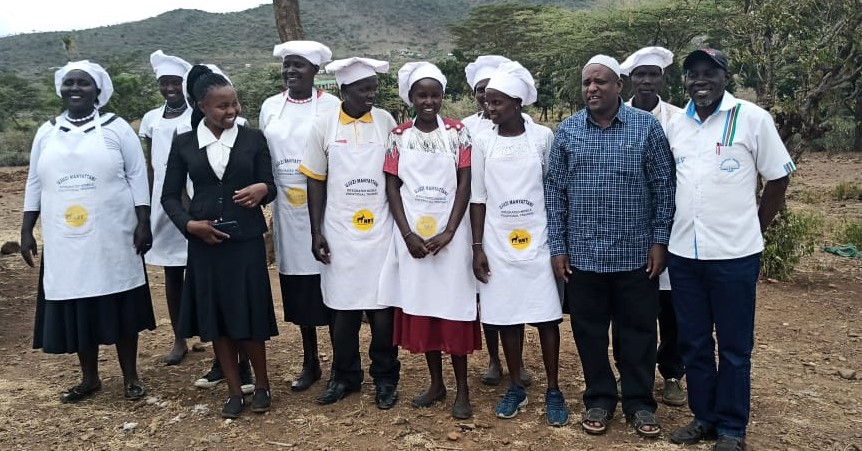
“We are very fortunate that we have accepted to be innovative, unique, and daring in this approach and for reaching out to communities we work with in partnership with NRT Trading.”
Maina
The approach NRT Trading takes in this program is what makes it unique. Instead of expecting the learners to come to them, they take the trainers to the learners.
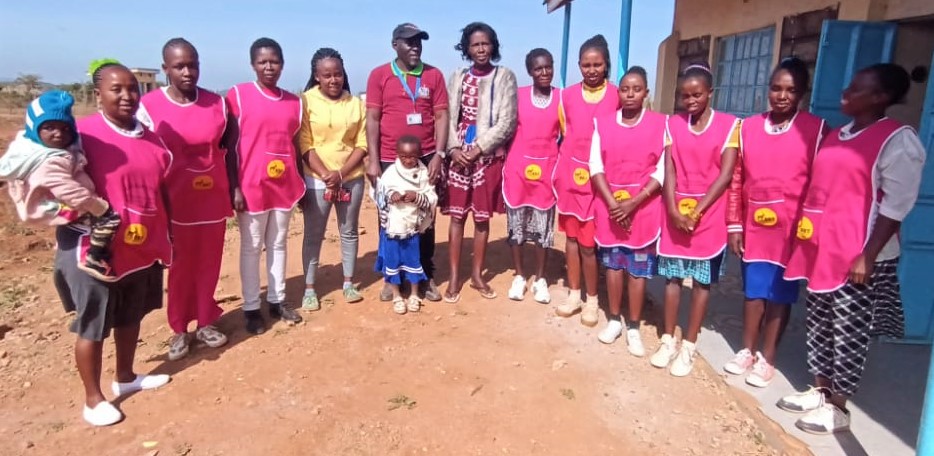
“It brings forth much excitement because we can see the level of impact that Ujuzi has brought to the region. The fact that the trainers can go to the learners means that they are able to provide training to people who may not have had access to it otherwise,”
says Mr. Maina.
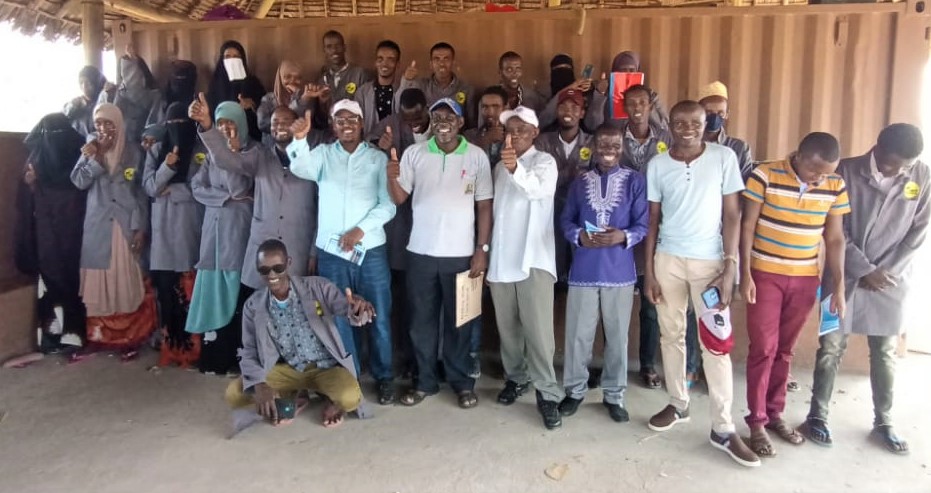
As the program evolves, Mr. Maina believes it’s vital to integrate aspects such as Information and Communications Technology (ICT) and other trends within the technical space. He adds that the training can be universally accepted by linking with industries and engaging with national policy bodies like the National Industrial Training Authority (NITA) and the Ministry of Education.
Ujuzi Manyattani is more than just a vocational training program; it’s a beacon of hope for those who thought they had none. With its unique approach to training and commitment to the region’s communities, it’s no wonder Mr. Maina believes it’s the best thing that ever happened. The program is changing lives, one learner at a time.
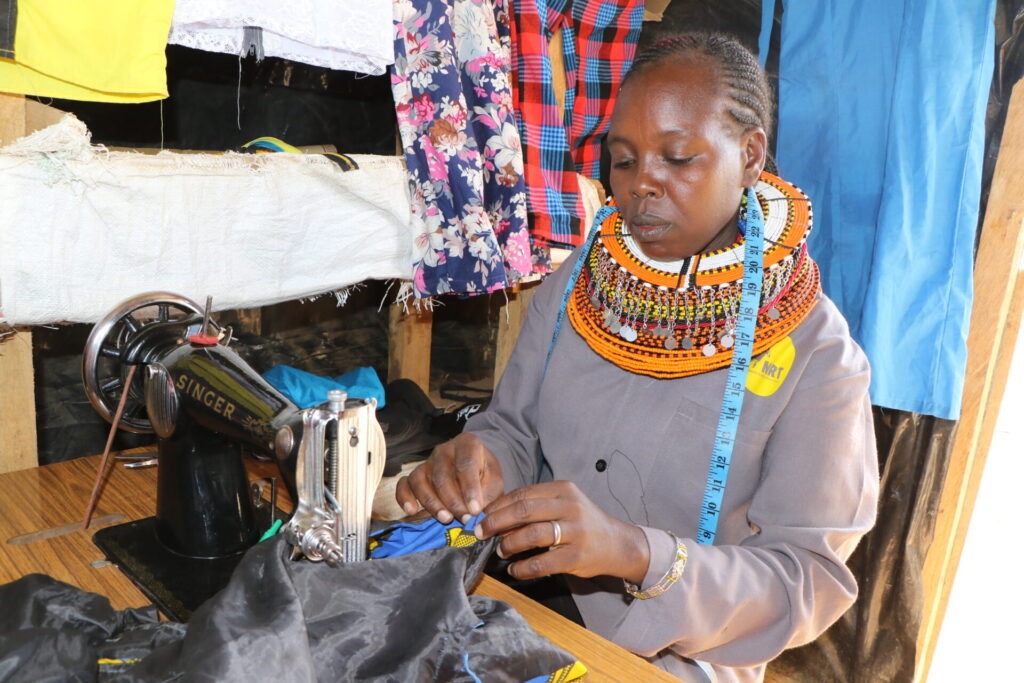
Jane Asimit is a 38-year-old lady, one of the many beneficiaries of Ujuzi Manyattani. She is married and has six children; before the training, she was a stay-at-home mum and spent her days mostly sitting under the tree and talking to her fellow women the whole day. She didn’t get the opportunity to go to school because her father refused, but she recalls having an interest and passion for sewing and beading when she was around 12 years old. She made her first cloth, a shirt for her sister at that age, but she never got the opportunity to pursue her passion until she heard about Ujuzi Manyattani.
When Covid-19 hit in 2020, Jane’s husband lost his job. She knew she had to find a way to help earn an income for the family despite not having any skills to do that. She picked up odd jobs around, but the money wasn’t enough. That’s when she decided to pursue her passion for tailoring. She asked her tailor friend for classes and was told she would be charged 500 per hour, which was too high for her, but she was willing to do what it took because her family needed the income she would get after the training. When she was still looking for the money to go to her classes with her friend, she met someone in her home area who stopped her and told her about Ujuzi Manyattani. That felt like an answered prayer for her because they had a tailoring course, and she wouldn’t have to pay all the money her tailor friend requested.
She joined the program in August 2021 and did a course in tailoring. She was initially hesitant because she hadn’t gone to school and thought she would lag, but she was assured by the trainer that she would learn and catch up well despite her lack of writing skills. By the time she finished the program, her spoken and written Swahili was good, and she could converse a bit in English. She opened a small tailoring shop just outside her home. She feels that she has helped her community because now they don’t have to go to the nearest town to get new clothes or fix them; she has different designs that she makes.
Jane can now help her husband with the expenses at home and even take her son to form one. She wants to put all her kids through school and give them the life she couldn’t have before Ujuzi. She admires educated people because they have skills and can make something out of their life. Her biggest dream is to train others, expand her tailoring business, and take it to a bigger town to grow so that she can afford to take all her six children through school.
During the program, she learned how to draw designs, measure people, write them down in a book, make a profit, and sustain a business. She advises other women to see how miserable her life was before Ujuzi and how it has changed for the better. She advises them to join Ujuzi Courses and improve their lives.
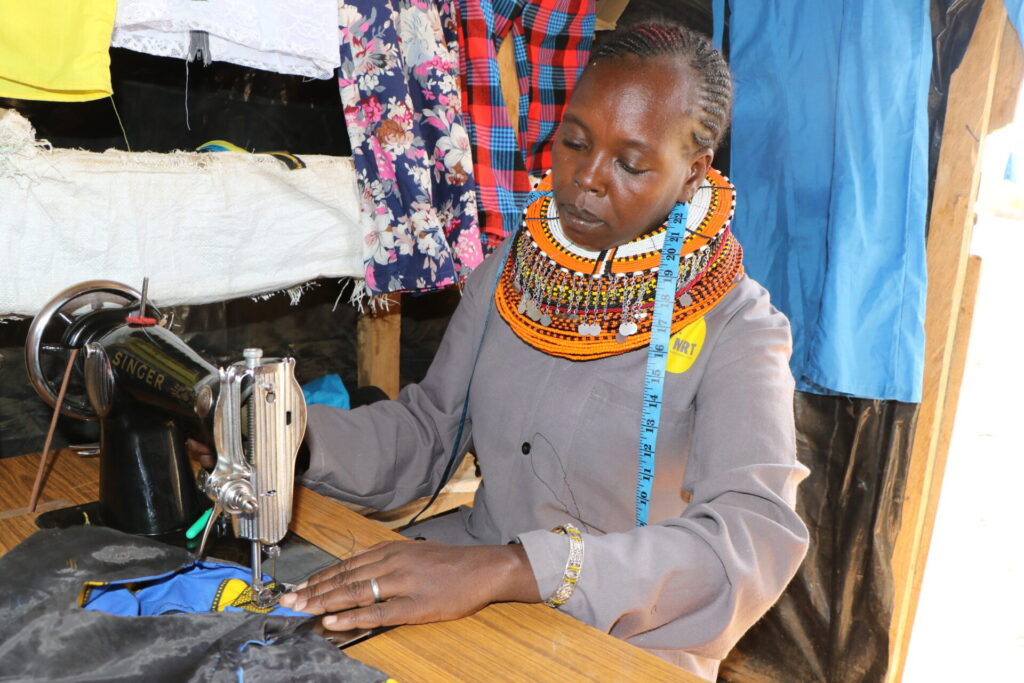
Jane is thankful to the program sponsors and prays that God continues to bless them because they have gotten her to a place she never thought she could get to.
Ujuzi Manyattani has supported 574 youths and women in Northern Kenya; it is a timely opportunity for the graduands in Northern Kenya due to the growing infrastructure investments. The program sponsors courses that provide access to learning for people from disadvantaged socioeconomic backgrounds who cannot access formal education in Northern Kenya. These skills will prepare communities for opportunities in line with vision 2030 projects.
The training and graduation are made possible through the support of NRT Trading technical partners- TVET, NITA, Kiirua Technical Training Institute, Laikipia North Technical, and Vocational College with funding from USAID Kenya through the USAID Local Works program, Denmark in Kenya, the IUCN, Save our Species co-funded by the European Union and The Nature Conservancy in Africa.
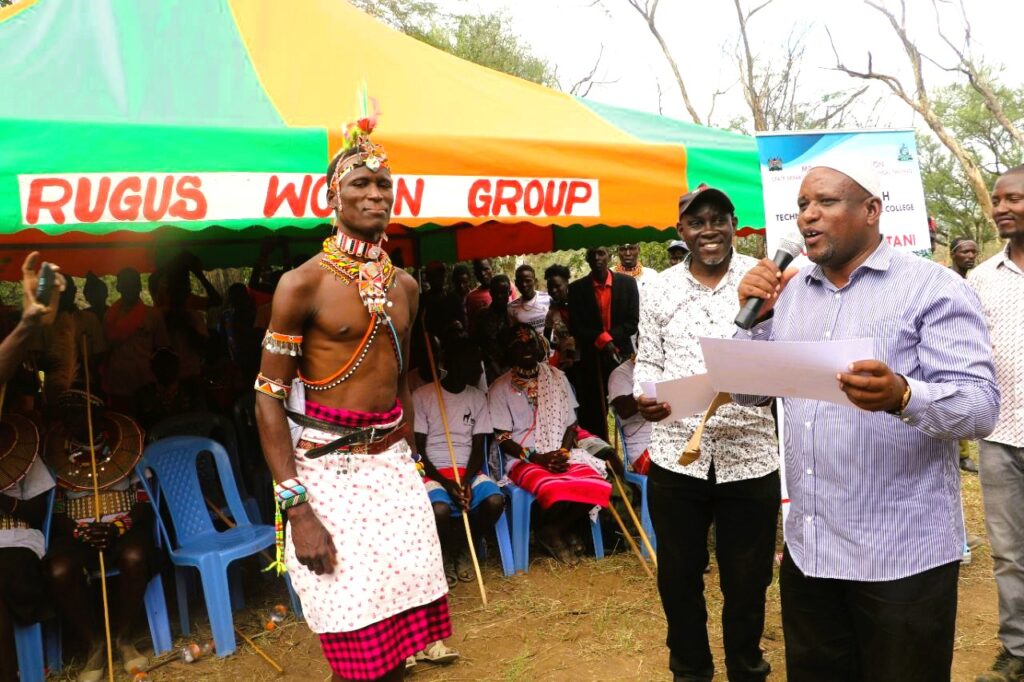
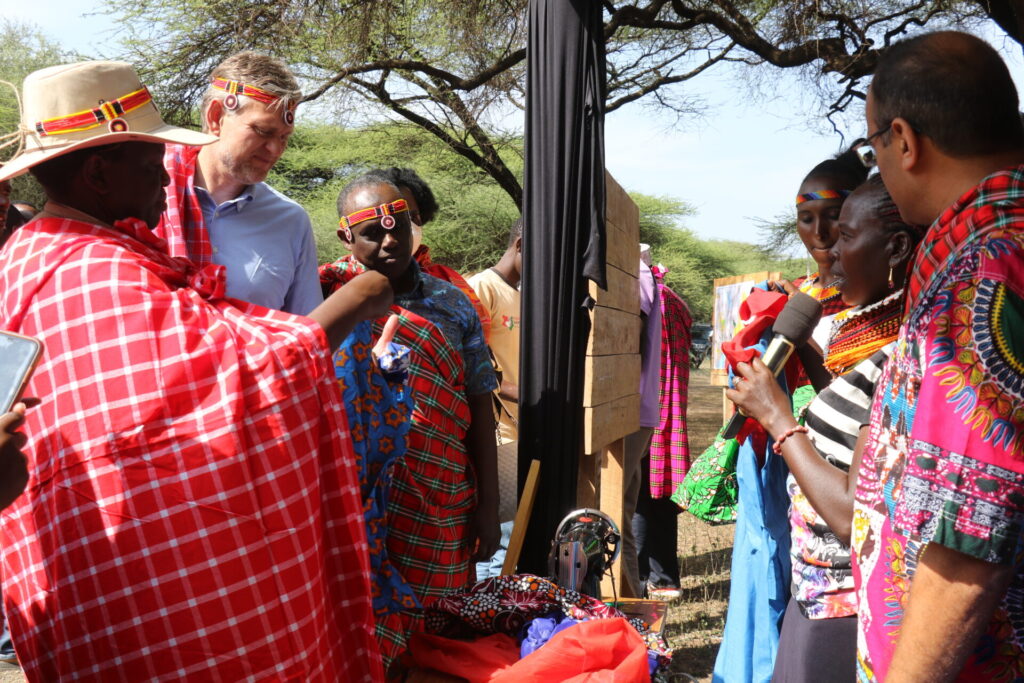
On 3rd November 2022, 59 youths and women graduated from NRT Trading’s Ujuzi Manyattani Vocational Training Programme. It was the fourth graduation of Ujuzi Manyattani skills empowerment training which has directly benefitted 605 people since its inception in 2019.
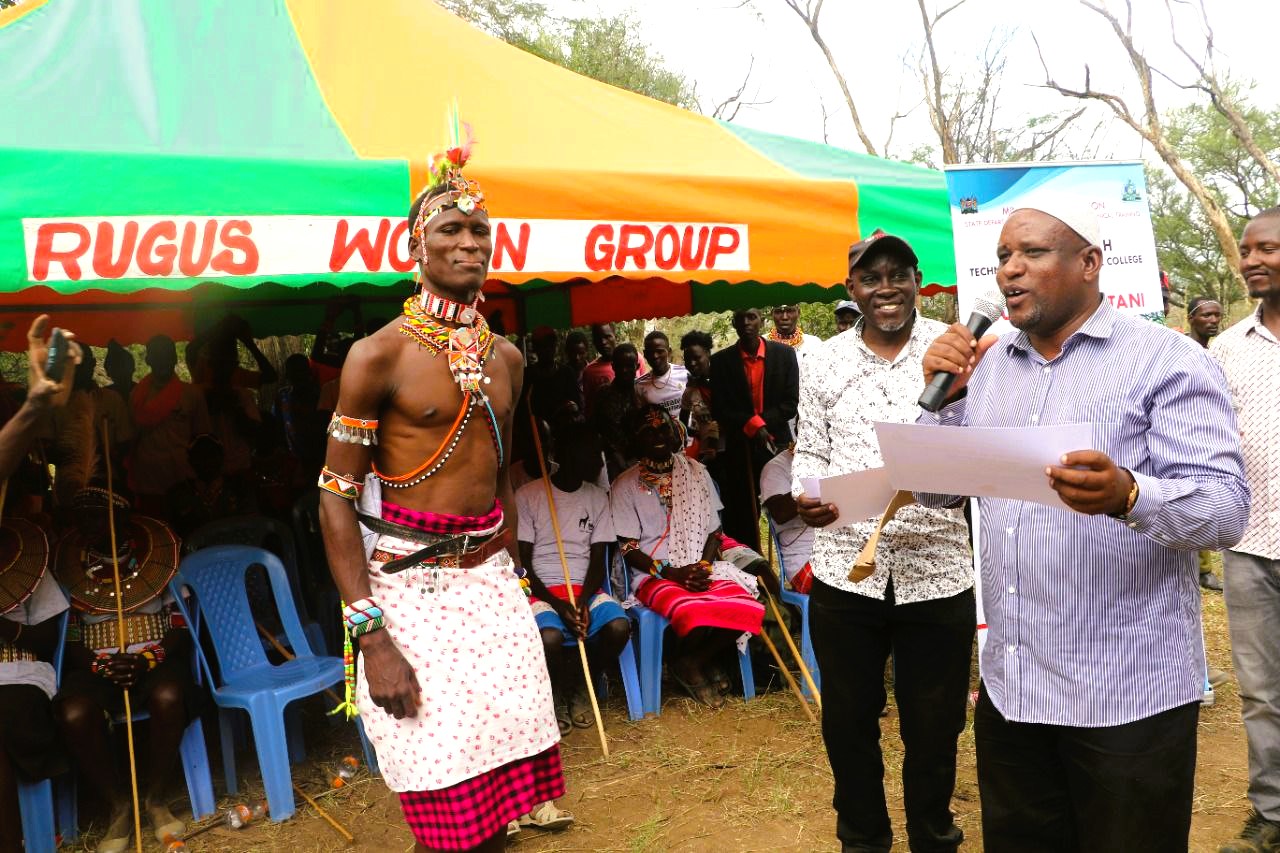
The 59 graduands from Ruko Conservancy graduated after a three-month technical training. They graduated in different courses, Tailoring and dressmaking, Hairdressing and beauty therapy, and Motorcycle repair and maintenance. The graduates now stand to increase their economic opportunities as northern Kenya aligns with Vision 2030. The vocational model aims to contribute to the Kenyan Government’s ‘Big Four’ agenda that strives to promote job creation; for youth and deepen industrialization.
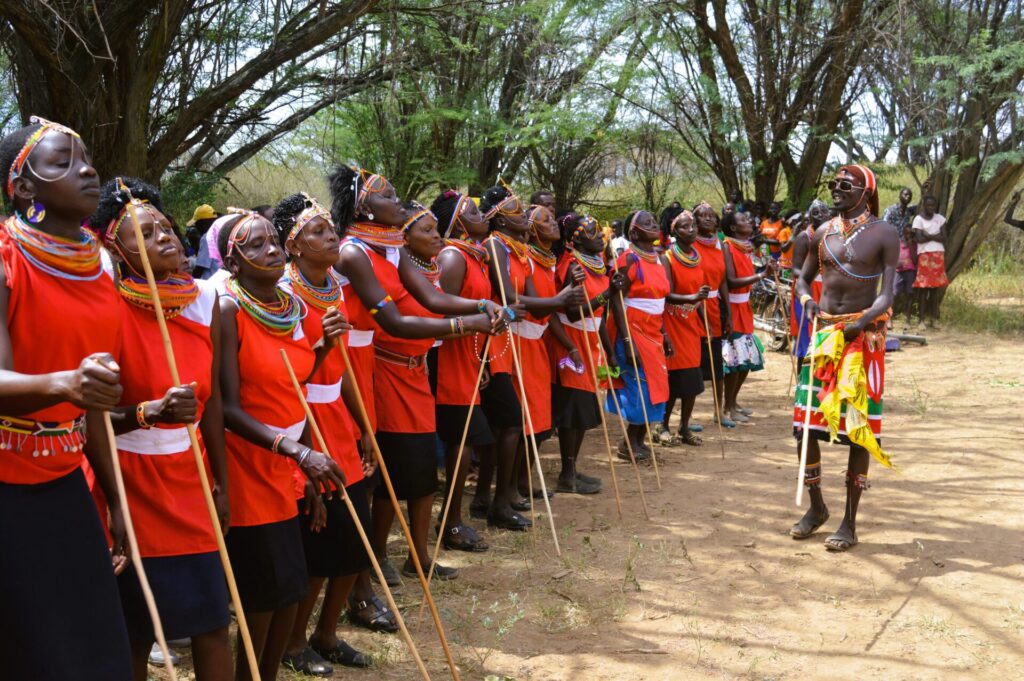
“Most of us here are pastoralists; some of our livestock have died because of the prolonged drought leaving us with nothing. Ujuzi Manyattani has given us an opportunity to earn income through the skills they have taught us. I have never gone to school; my first school is Ujuzi Manyattani; I have learnt how to make clothes from the Tailoring and dressmaking course. It will help me earn income and create employment for other women and youth. Thank you, NRT Trading”
Faith Muge, Ujuzi Manyattani Tailoring, and dressmaking graduate.
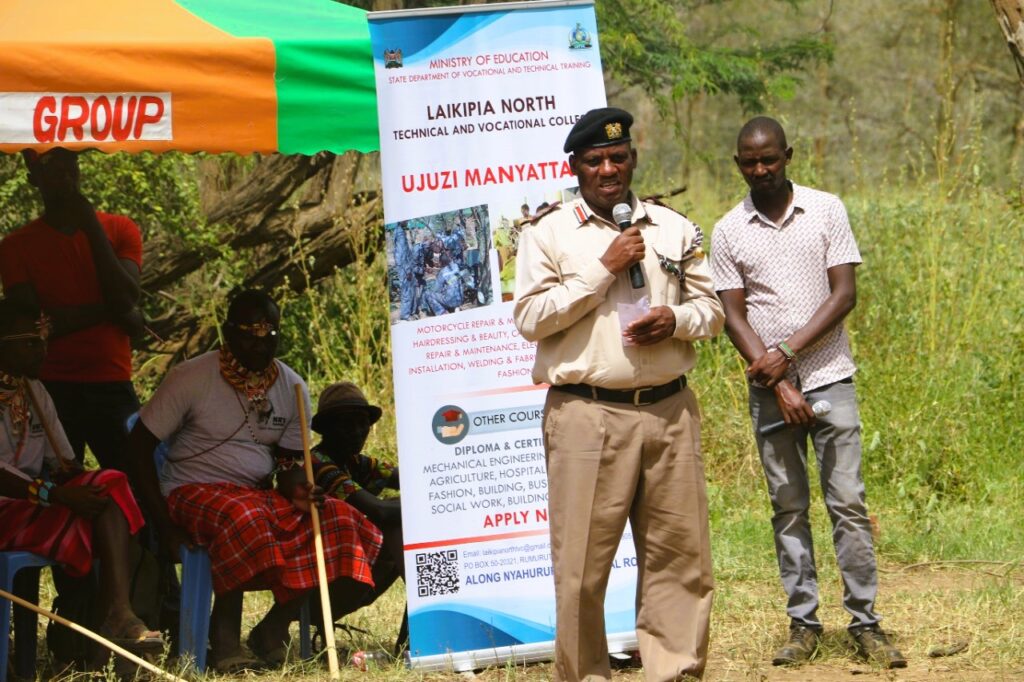
The colorful ceremony was presided over by Douglas Mutugi, Marigat Sub County DCC. Also in attendance were Ruko Community Conservancy leaders, community members, Vocational training teachers, and the NRT Trading team.
“I would like to thank the 59 youth and women who sacrificed their time and commitment to gain skills through Ujuzi Manyattani training and thank NRT Trading for this wonderful program. As an administration, we encourage and support such Programs that improve community livelihoods. I request all parents to take their children to school as it is the only way to achieve economic growth in our community. There is a need for diversification of economic activities; to increase revenue in the community.”
Douglas Mutugi, Marigat Sub County DCC.
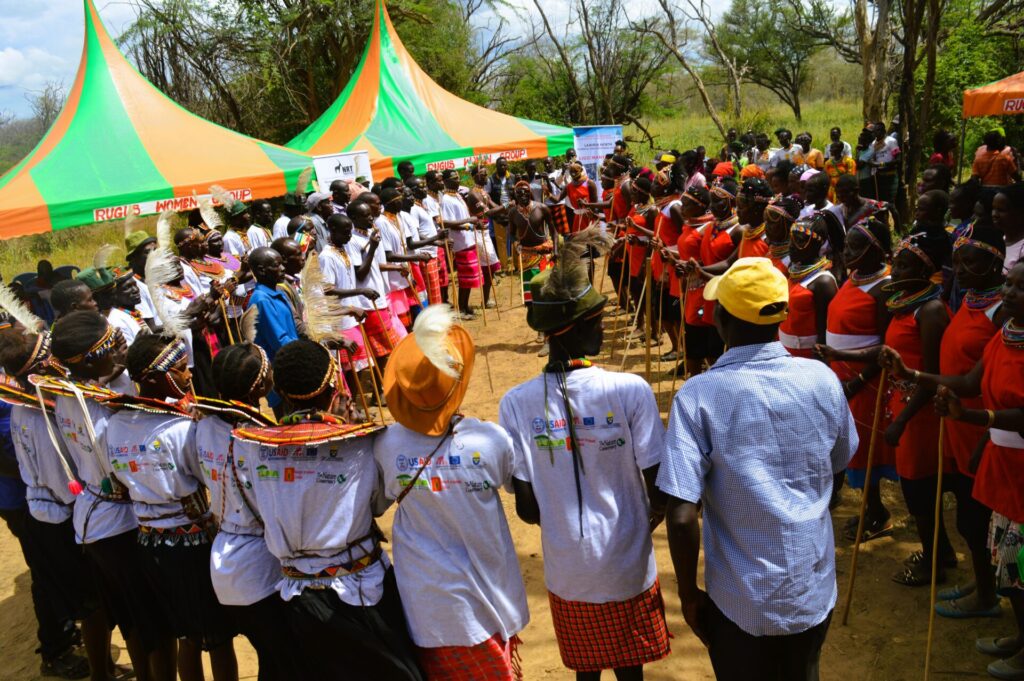
To date, Ujuzi Manyattani has empowered 605 young men and women to acquire vocational skills and take advantage of business opportunities in northern Kenya; about 90% of the graduates are semi-illiterate. The fourth graduation saw 30 men and 29 women receive certificates and toolkits to enable them to start business ventures.
“To our graduates, this is not the end but the beginning of a journey that NRT Trading will walk with you. For those who want to become great businesspeople and start businesses that will become industries, you are not alone. For those willing, we will continue training you through the NRT Trading Biashara Mashinani Program that develops the capacity of individuals and groups to start and manage enterprises.”
Ture Boru, Chief Economic Programs Officer.

Ujuzi Manyattani is a vocational training delivery model in which polytechnics place trainers in villages to teach marketable skills. By placing trainers in communities, Ujuzi Manyattani provides access to learning for people from disadvantaged socio-economic backgrounds; and those who have not been able to access formal education. It enables pastoralists to acquire practical vocational skills where other training facilities are absent; without disrupting their way of life. The training incorporates adult literacy and entrepreneurship skills. Trainers and tools move across villages, conservancies, and counties to provide equal opportunities to all ethnic groups in community conservancies. The skills offered include masonry, carpentry, motorcycle mechanics, mobile phone mechanics, welding, plumbing, electrical engineering, tour guiding, and solar installation.
Ujuzi Manyattani Programme has been made possible through the support and funding of the United States Agency for International Development (USAID) through the Local Works program and the Conservancy Livelihood Fund (CLF). Technical partners are Kiirua Technical Training Institute and Laikipia North Technical and Vocational College.