Vocational training is often imagined as something that happens in fixed institutions, confined to the four walls of a classroom. Ujuzi Manyattani redefines vocational training by taking skills development directly to villages, under the shade of acacia trees, even, ensuring women and youth, often excluded from formal education due to geography, cost, or social barriers, can access practical, income-generating skills without leaving their communities or disrupting their way of life.
Operating across northern and coastal Kenya, the programme addresses long-standing gaps between formal education systems and the economic realities of pastoral and indigenous communities. In many of these areas, young people face limited schooling opportunities, high unemployment, and few viable economic into the local economy. Girls are particularly affected due to early marriage, pregnancy, and domestic responsibilities. For others, including young men and persons with disabilities, barriers to education have resulted in long-term economic exclusion.
Over time, Ujuzi Manyattani, a mobile vocational training delivery model, has reached individuals who would otherwise remain disconnected from training systems, including young men formerly engaged in high-risk activities and young women who left school early.
Training is delivered by qualified instructors from partner institutions, including Kiirua Technical Training Institute and Laikipia North Technical and Vocational College. These instructors travel between conservancies to deliver hands-on training aligned to local demand. Since its launch in 2019, Ujuzi Manyattani has trained more than 1,700 youth across NRT member conservancies in nine counties in Kenya: Isiolo, Laikipia, Samburu, Marsabit, Baringo, West Pokot, Garissa, Tana River, and Lamu.
While the first cohort consisted entirely of young men, sustained community sensitisation has steadily increased women’s participation, with women now comprising 46% of all graduates. While locally delivered, Ujuzi Manyattani aligns with national development priorities, including Kenya Vision 2030, by expanding livelihood options, strengthening enterprise capacity, and improving access to skills training in remote areas.
Trainers and tools move across villages, conservancies, and counties to provide equal opportunities to all ethnic groups in community conservancies. Our current technical partners are Kiirua Technical Training Institute and Laikipia North Technical and Vocational College.
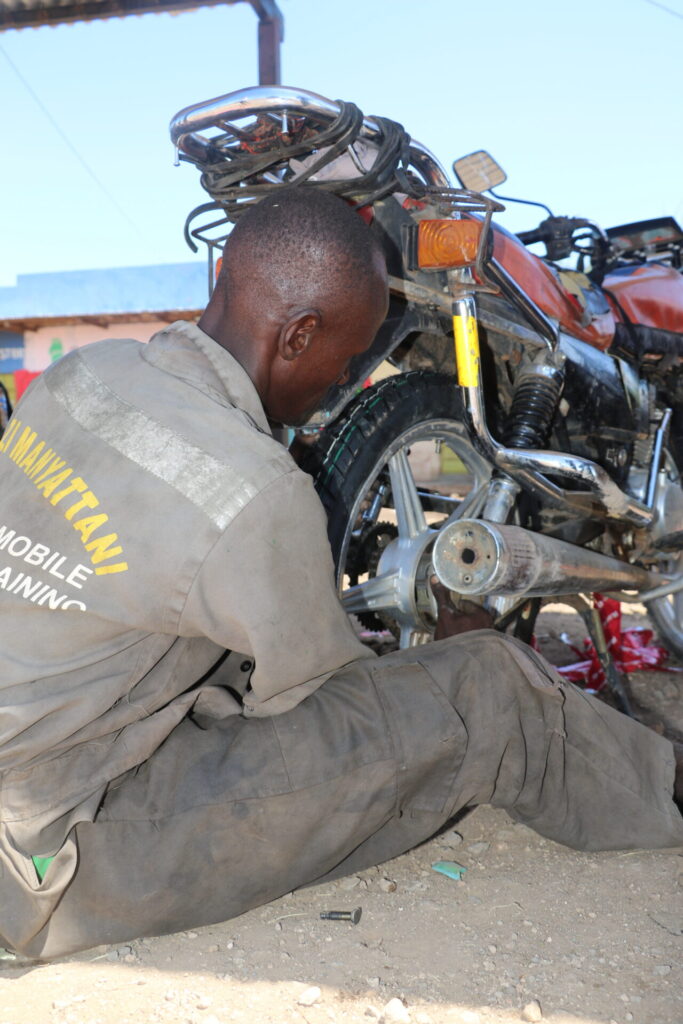
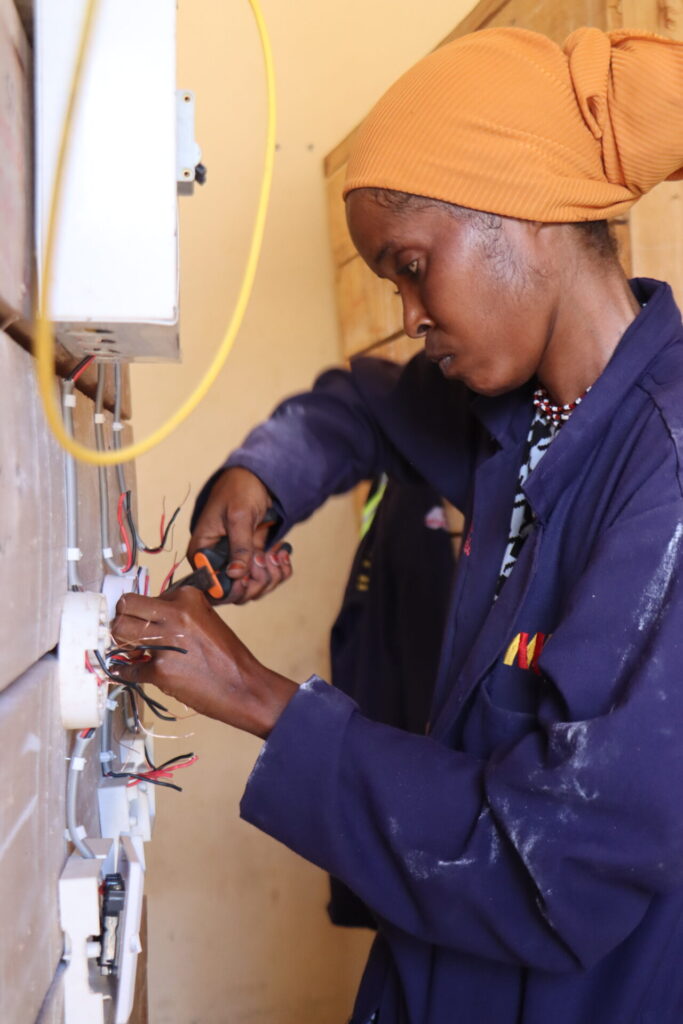
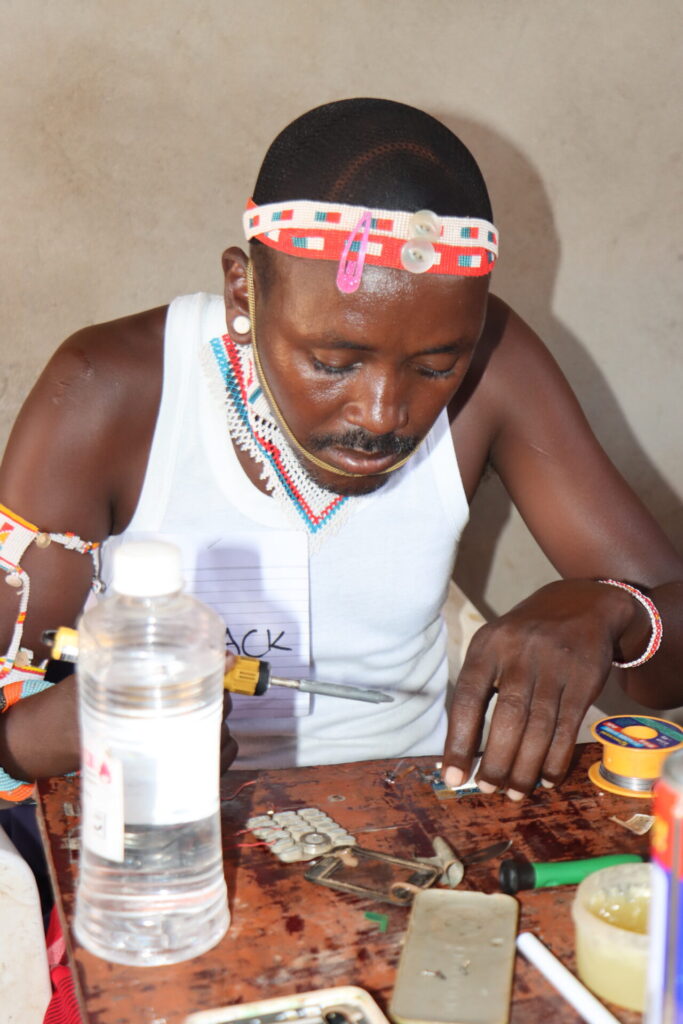
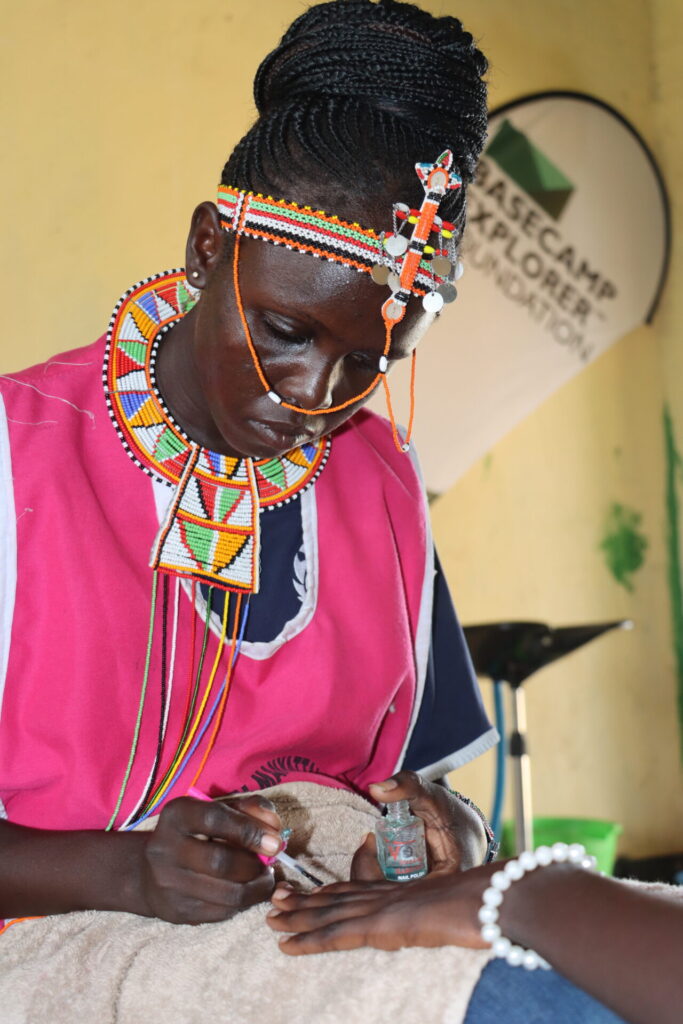
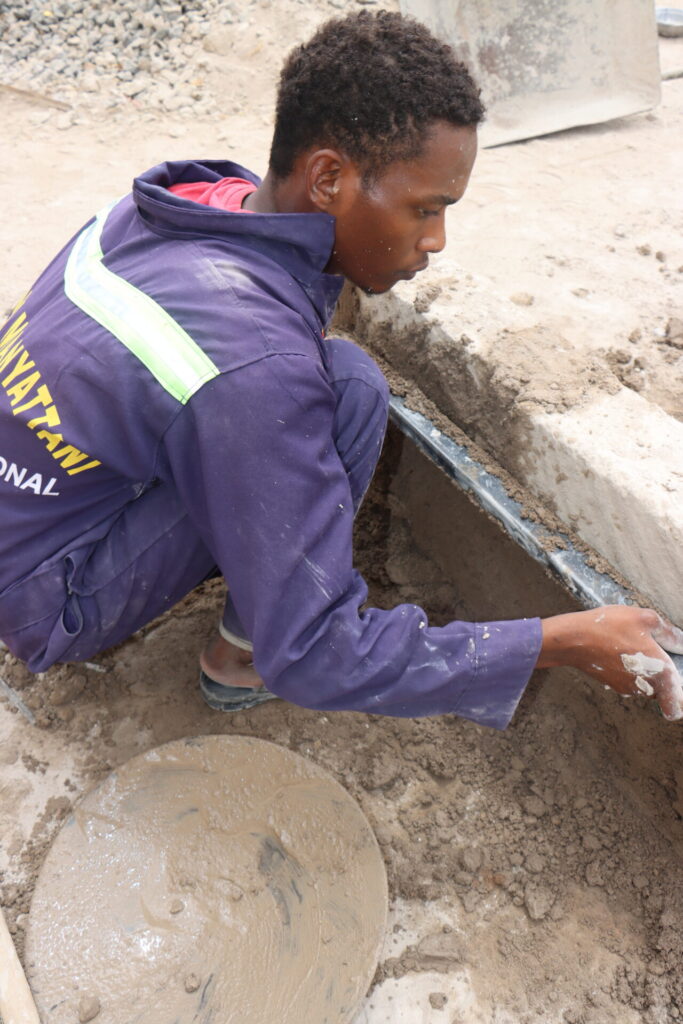
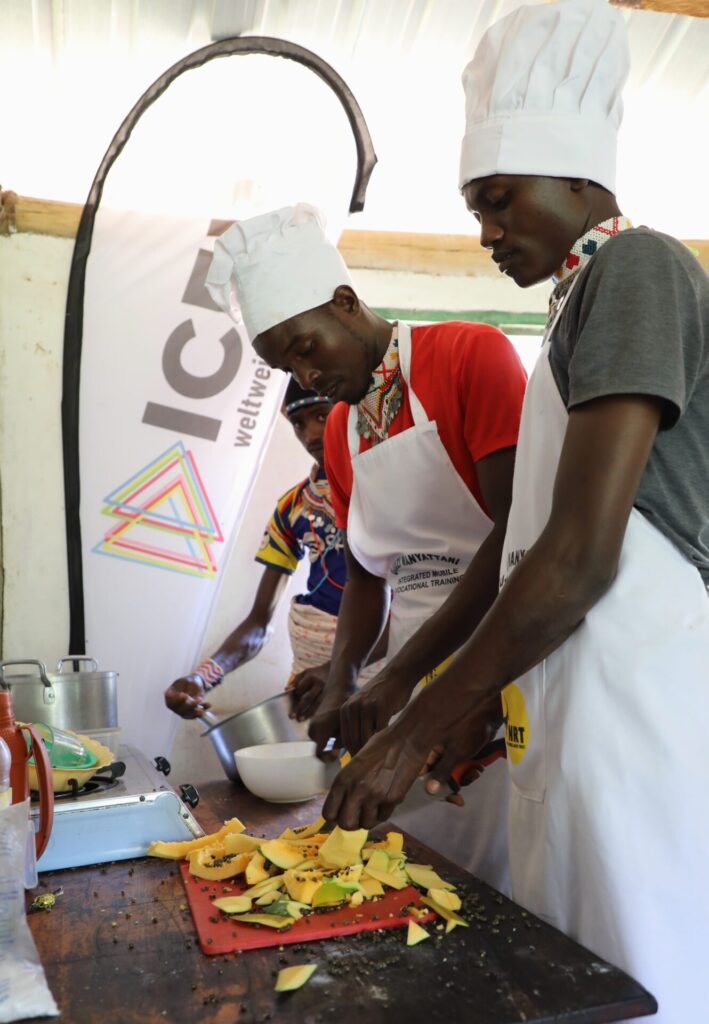
The program offers several vocational courses, including Tailoring and Dressmaking, Vessel Repair and Maintenance, Hairdressing and Beauty Therapy, Masonry, Welding, Catering, Plumbing, Electrical and Solar Installation, Motorcycle Repair and Maintenance, and Mobile Phone Repair.