Balancing Chalk and Coins: The Teacher-Entrepreneur’s Journey with Biashara Mashinani

Biashara Mashinani develops the capacity of men and women at the grassroots to start and manage enterprises to diversify household income and increase economic resilience.

Through the Rangelands SACCO, a community-owned and membership-driven financial organization, financial inclusion is promoted by giving members access to various tailor-made financial services, including savings accounts, affordable loans, business coaching, and investment opportunities.
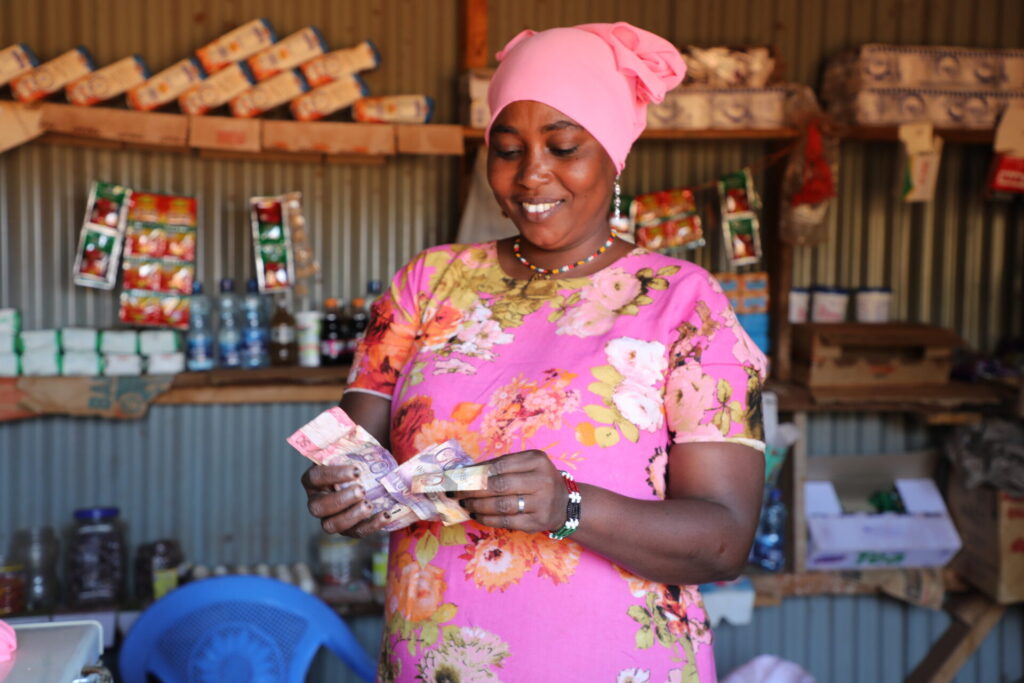
Over the last six years, the Rangelands SACCO has disbursed over 200 million shillings in loans to its members. Among the 3,594 women beneficiaries is Tunu Farhiya Choya, a resident of Karare, Songa Conservancy in Marsabit County, whose life has been significantly changed.

As an employed Early Childhood Development Education (ECDE) teacher at Karare Primary School, schoolwork typically ends early, and she hardly found constructive tasks to keep her busy for the rest of the day. In 2020, the world was hit by the COVID-19 pandemic, and due to school closures, Tunu was confined to her home idle, besides house duties.

Adding to her woes was a series of salary delays that left her in a tight financial spot. As a widow with two children, this was incredibly challenging. As the months passed and her bills piled up, she realized that depending solely on her job was no longer sustainable. Frustrated by the uncertainty of when her next paycheck would arrive, she decided to take matters into her own hands, turning her free time into income.

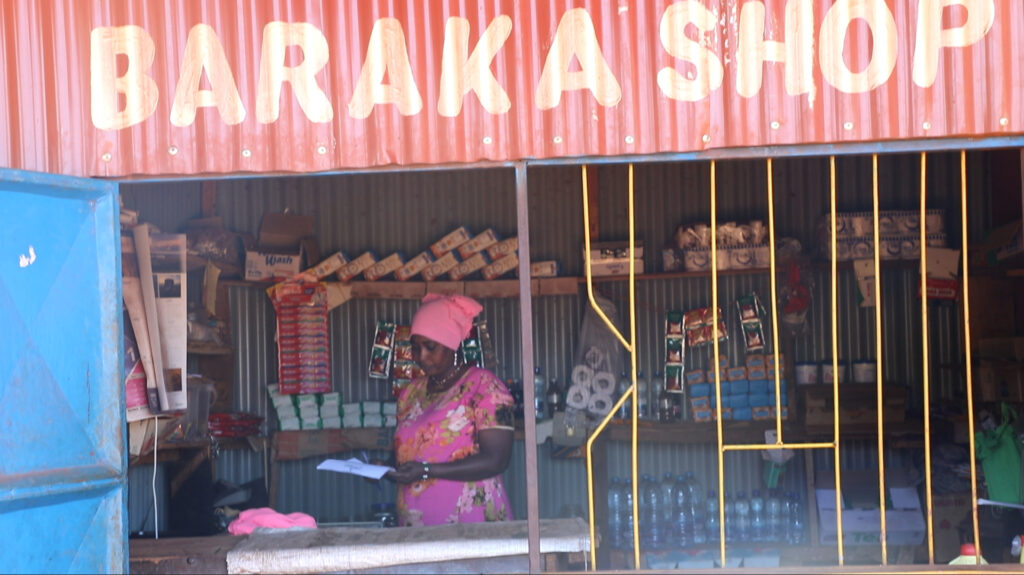
In September, the 42-year-old rented and stocked a retail shop at the Karare market center with her savings of 15,000 shillings. The reduced competition triggered the idea, but most importantly, to offer access to necessities to the residents. Before a return to normalcy, she dedicated her full attention to her business, intending to earn extra income to care for her family. On school days, her cousin runs the store during the day, while she takes over in the afternoon after school.

In 2021, Tunu learned of the NRT Trading Biashara Mashinani program through the conservancy management. Tunu eagerly seized this opportunity and embarked on a three-day intensive entrepreneurship and financial literacy training on business planning. With unwavering determination, she incorporated the knowledge from this training into her retail business and was inspired to join Sacco to start saving. Her dedication paid off as, after disciplined savings with Rangelands SACCO, Tunu became eligible for her first loan of 25,000 shillings.
This loan came at a crucial juncture, as a prolonged drought devastated the region, leading to a dire shortage of rainfall, which greatly affected the livelihoods of the indigenous people in northern Kenya. Before the SACCO’s intervention, Tunu, like many others in her community, had grappled with a sense of hopelessness. However, she used the loan wisely, allocating funds towards her children’s school fees, investing in her business, and securing a portion for savings.

Tunu expresses her gratitude, “Being a member of the Sacco has helped me a lot despite having come from a drought season whereby I experienced highs and lows. I have used the money to stock my shop with household commodities, foods, and cereals. I look forward to receiving more loans to expand my business.”
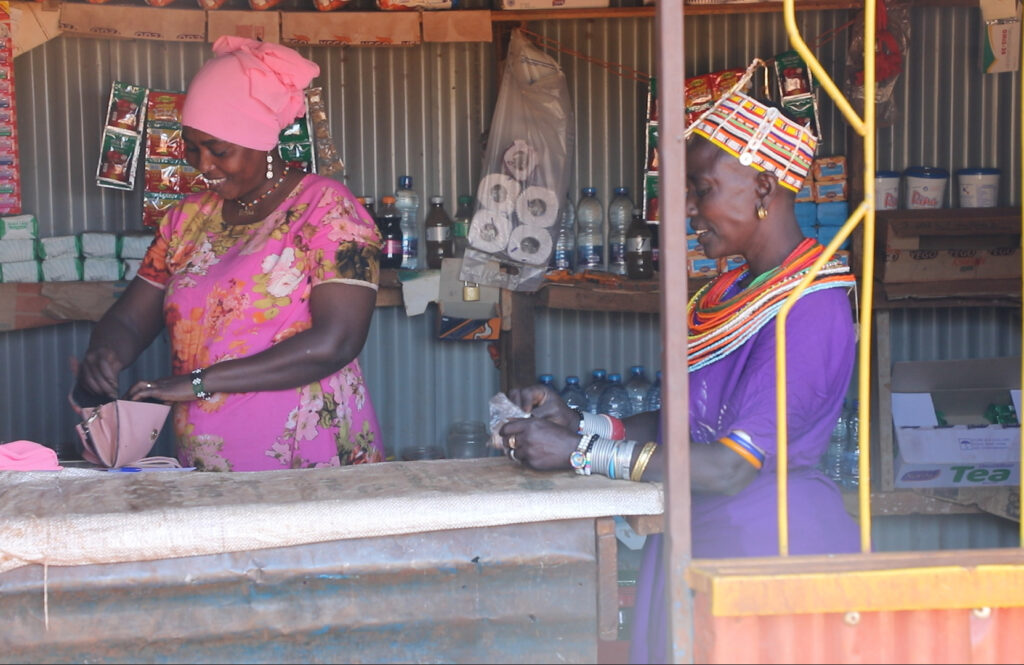
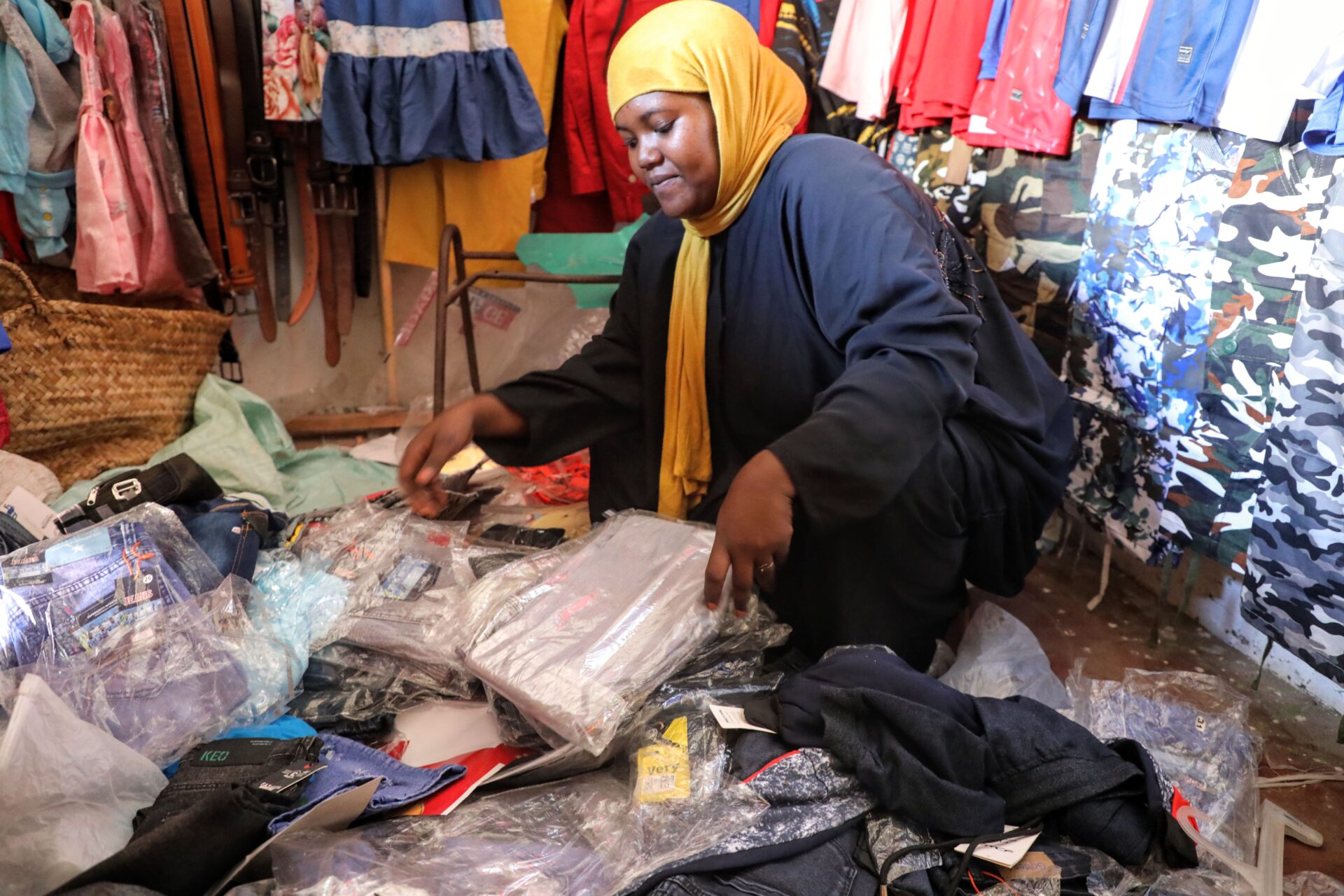
Tunu happily serves a customer at her shop.

Today, Tunu runs her shop with a positive outlook, aiming to achieve daily profitability. On her best days, she garners up to 3,000 shillings; on others, she still manages to earn at least 500 on a bad day.

She acknowledges NRT Trading for nurturing her entrepreneurial skills and fostering her financial growth, enabling her to run a thriving business that sustains her family and contributes to the betterment of her community.
Turning Grass into Gold:  The Remarkable Journey of Grace Meitiaki from Herder to Innovator in Pasture Production

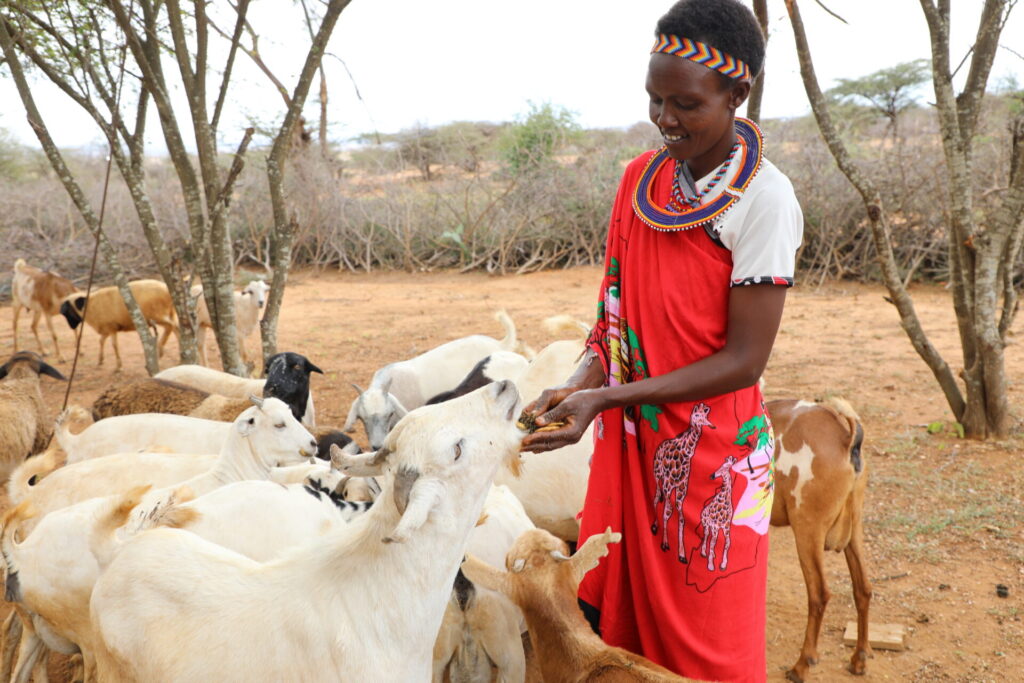
Grace Meitiaki, at 46 years of age, has walked the challenging path of a herder for many years, practicing the traditional ways of livestock keeping. This journey was marred by losses, with her livestock bearing the brunt of her outdated methods. But like a resilient sprout emerging through cracked earth, Grace’s story took a heartwarming twist.

In 2021, Grace’s fortunes began to change as she seized the opportunity to participate in the Ufugaji Bora Mashinani program supported by the USAID Local Works program, targeting 300 herders. Through this initiative, she embarked on a transformative four-module training course on better animal husbandry. The year 2023 marked a significant turning point when Grace, alongside 30 other Livestock Market Agents (LMAs), embarked on an enlightening exposure tour at the Kenya Agricultural Livestock Research Organisation (KALRO). This tour, a pivotal moment in her journey, expanded her horizons, propelling her newly acquired skills to greater heights, particularly in pasture production and management.

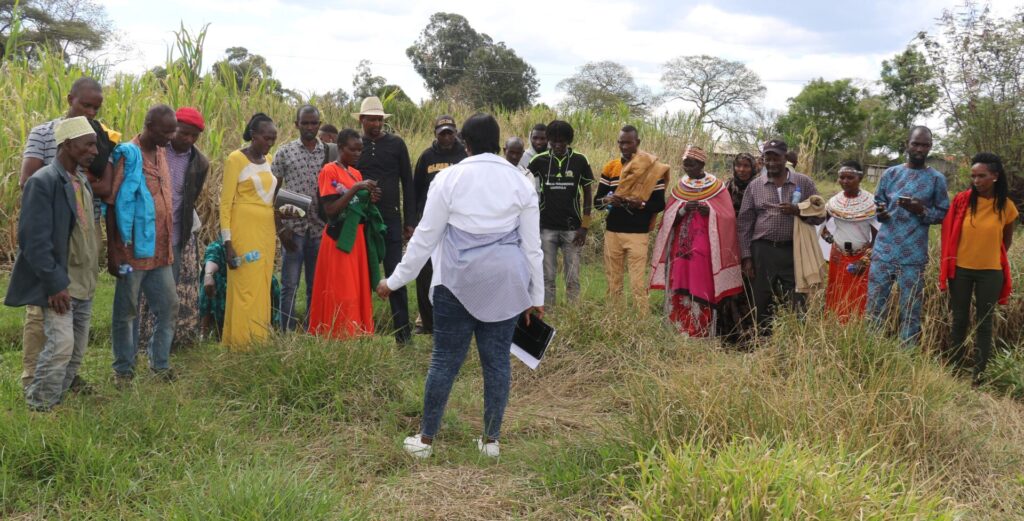
Grace, among other Livestock Marketing Agents (LMAs), during an exposure tour visit at KALRO Beef Research Centre, Nakuru.

Grace reflects on the eye-opening experience, stating, “The learning tour provided us with a platform to interact with experts, ask questions, and witness the practical application of the concepts we were trained on.”

With newfound knowledge and determination, Grace began a remarkable journey. She decided to invest in pasture production on her secluded piece of land, turning what was once overlooked grass into her most valuable asset. In doing so, she proved that knowledge could shatter stereotypes and barriers.

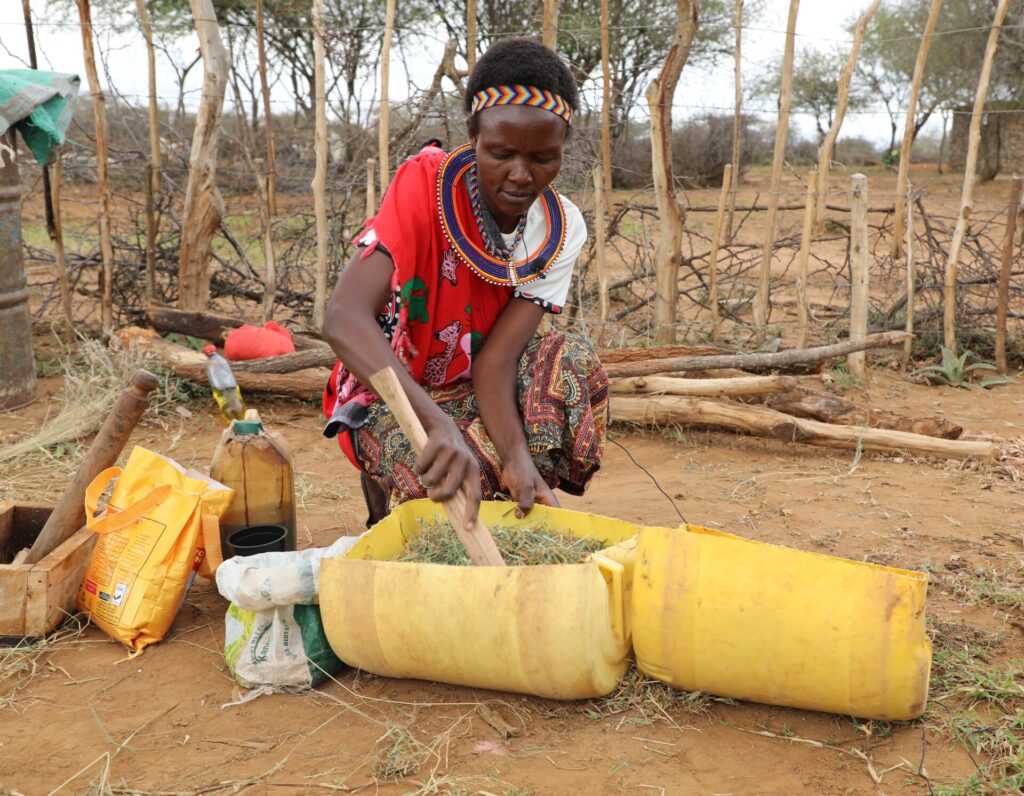
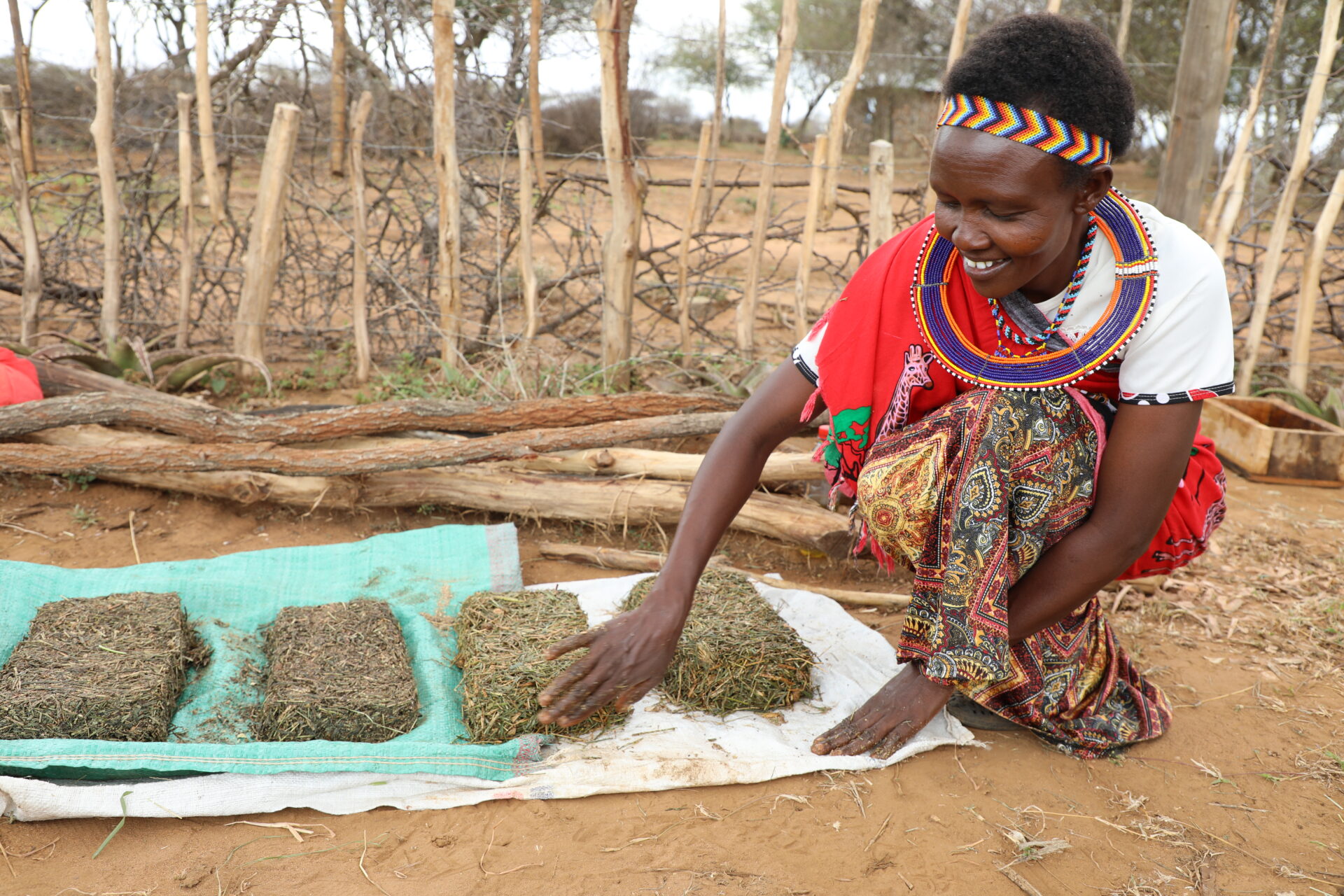
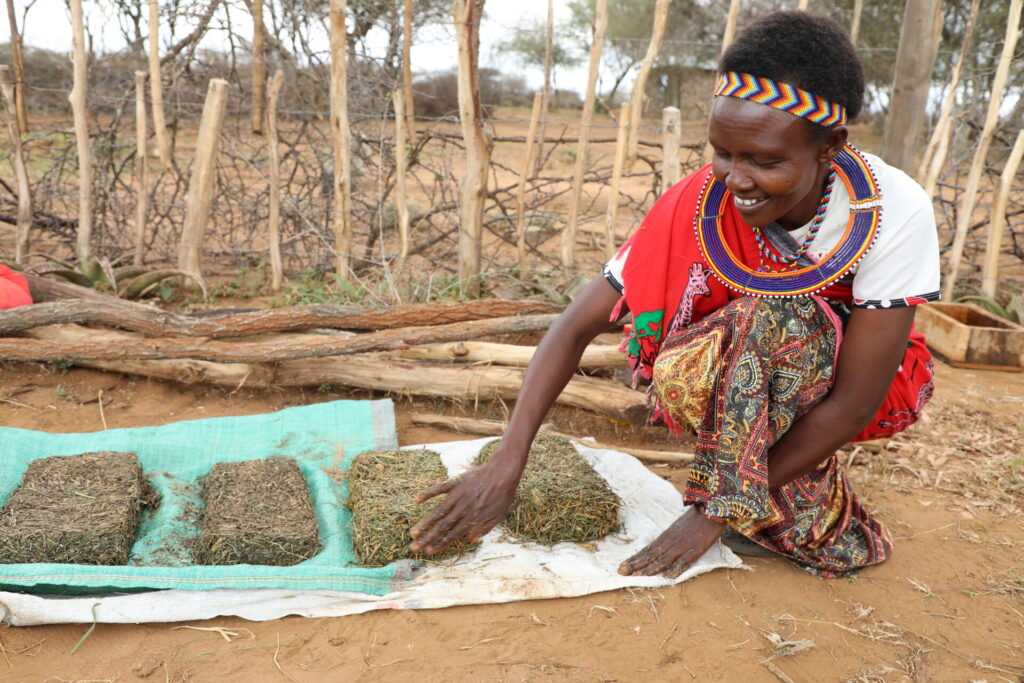
Her motivation was clear. Grace explained, “I was very keen on pasture production and management because I have been losing hundreds of livestock due to drought.” The transformation was palpable as she began producing her balanced animal blocks, enriching them with vital nutrients through animal salt, animal feeds, and molasses, all preserved under low heat.

But the story doesn’t conclude there. Grace’s training extended to module three, where she learned about conservation. Here, she discovered the potential of collecting acacia pods and preserving them, providing a lifeline to her livestock during the unforgiving drought seasons. Encouraged by the success of her initial trials, she’s preparing another piece of land to expand her pasture production. Grace also extends her heartfelt appreciation to her husband, Richard Metiaki, for his unwavering support.

In her own words, Grace emphasizes the profound impact of knowledge, stating, “Knowledge is power. I am a better herder, all thanks to Ufugaji Bora Mashinani. I am training other group members on this new venture so they can safeguard their livestock in the future.” Her joyful testimony speaks volumes about the ripple effect of education and training, creating a virtuous cycle that uplifts individuals and the entire livestock value chain.

Grace Meitiaki’s journey is a testament to the remarkable transformations that can occur when education, dedication, and support converge. Her story serves as a beacon of hope, reminding us that with the right tools and knowledge, anyone can overcome challenges and pave the way for a brighter, more sustainable future.

Sketching Idea into Livelihood – Batuli’s Journey to Self-reliance

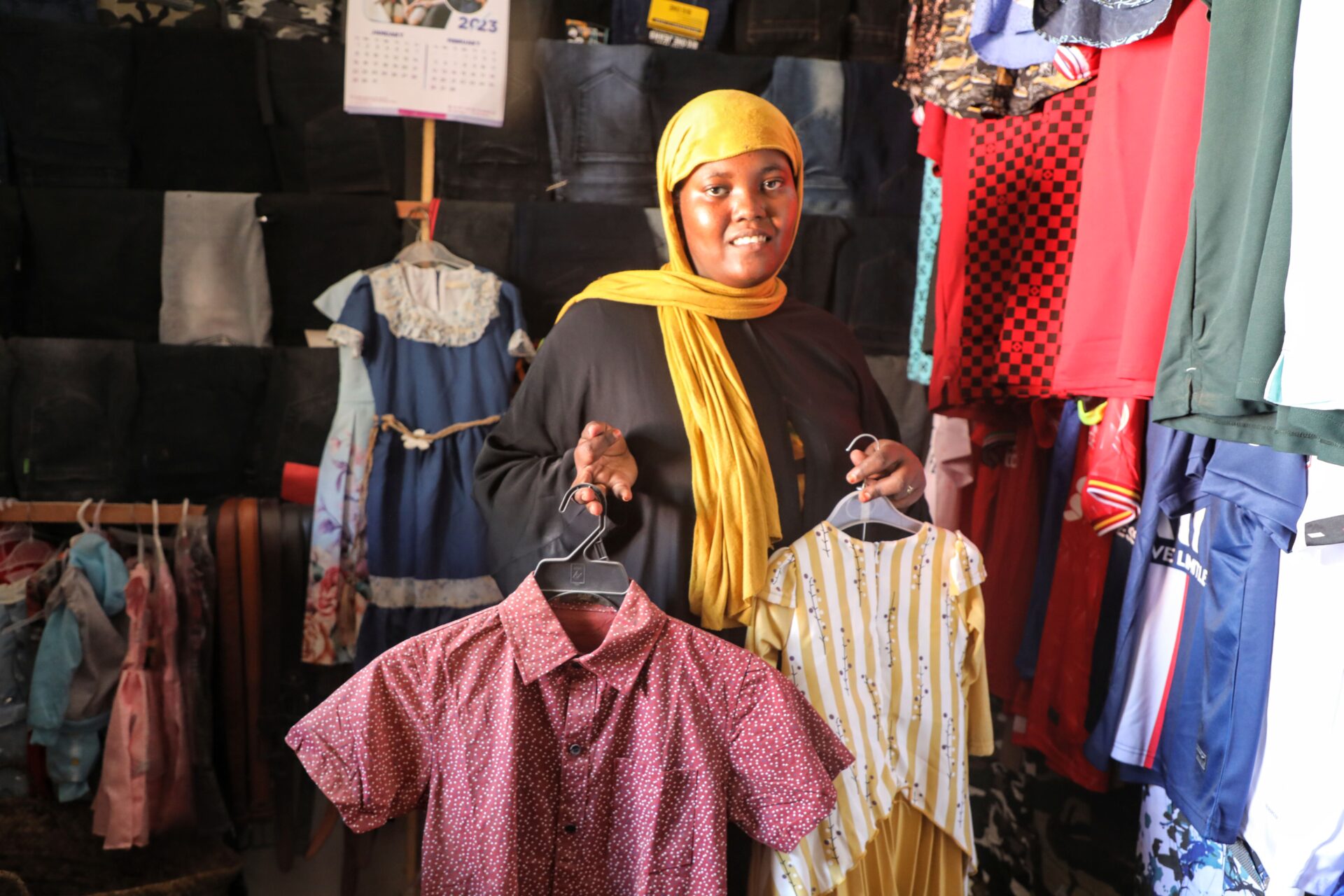
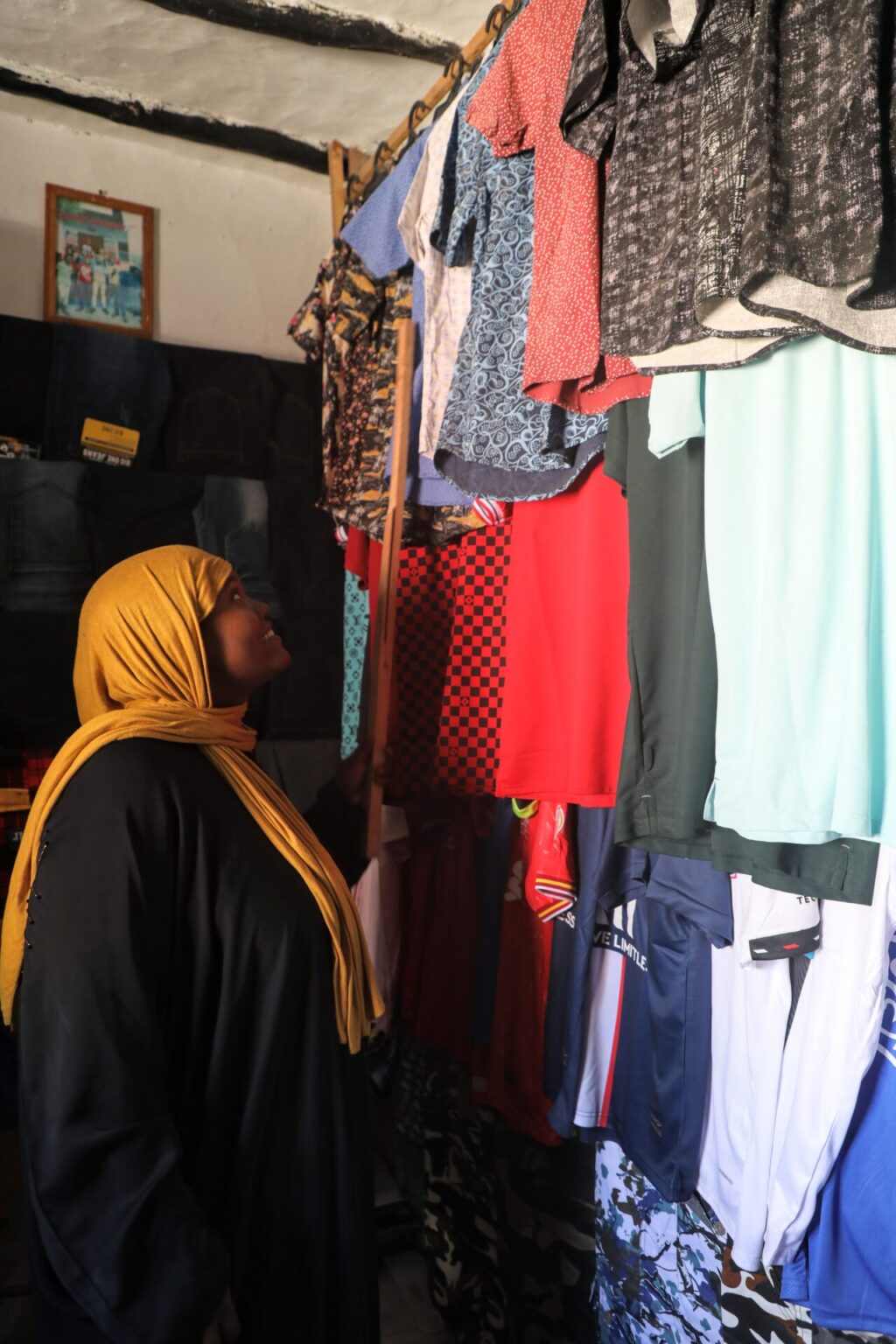
Faza Village on Pate Island, nestled within the breathtaking Lamu archipelago, we meet Batuli Bwanakombo, a 23-year-old in her mini boutique sorting out a new stock of clothes, choosing which ones are best and most attractive for display with the help of her husband.

Batuli’s story is one of resilience, borne from her mother’s valiant struggle to provide for their family’s needs while balancing the weight of her school tuition. Despite completing her primary education, Batuli’s academic performance fell below expectations, dashing her dreams of pursuing higher learning. Hope seemed lost as Batuli found herself confined to the walls of her home, assisting her mother with household chores. However, destiny had other plans. A suitor arrived at their doorstep, seeking Batuli’s hand in marriage, and she accepted. Yet, the union failed to alter her circumstances; instead, it blessed her with motherhood but no means of income.

Batuli’s desire to improve her financial situation led her to seek business training from NRT Trading Biashara Mashinani on business idea generation and life skills. Through this training, Batuli acquired the knowledge and insights to navigate the intricacies of running a successful business. Determined to change their fortune, Batuli engaged her husband in an earnest discussion, sketching ideas to generate income. A gleam of inspiration emerged as they envisioned a retail clothing business, and they embraced this idea wholeheartedly. With newfound confidence and a solid foundation in business practices, they acquired a humble abode and adorned it with a dazzling collection of stylish, brand-new garments suitable for all genders.

In 2021, Batuli was among the beneficiaries from Pate to receive a loan of 25,000 shillings from the Northern Rangelands Sacco (NR Sacco) through its Biashara Mashinani program. Through hard work and diligence, she promptly repaid the loan and was awarded an additional 50,000 shillings, which she invested in expanding her business and diversifying her stock. Batuli’s boutique became a beacon of fashion for men seeking trousers, shirts, and shoes, particularly during festive occasions, where she could earn a remarkable 5,000 shillings daily. She consistently garners a respectable income of approximately 1,200 shillings on regular days.

The transformative power of Biashara Mashinani’s business training breathed new life into Batuli’s entrepreneurial journey, profoundly influencing her boutique’s success. Grateful for the knowledge gained, she humbly acknowledges her growth and evolution, “I have gained valuable knowledge from NRT Trading on how to make my business thrive. I have been putting aside funds for unforeseen circumstances and expansion, being more courteous to my customers, and organizing my collections more effectively. Additionally, I have made a conscious effort to maintain a high level of cleanliness in my store, which has become an additional boon, enhancing my reputation and attracting more customers,” Batuli explains.

She is thankful to NRT Trading for the financial support and invaluable skills training propelling her business to new heights. Buoyed by this encouragement, she eagerly envisions the future, setting her sights on establishing a wholesale shop serving people locally and beyond.

With the conservation efforts of The Nature Conservancy (TNC) in the coastal region of Kenya like Lamu, a balance has been fostered between environmental conservation and sustainable economic development by creating opportunities for individuals like Batuli to pursue their dreams, contribute to the local economy, and inspire others to believe in their potential.

Batuli is a testament to the indomitable spirit of an aspiring entrepreneur who, against all odds, triumphed over adversity and carved her path to success. Her story echoes through the island, inspiring others to believe in their dreams and seize opportunities in wait.

Sudha’s Journey with Ujuzi Manyattani

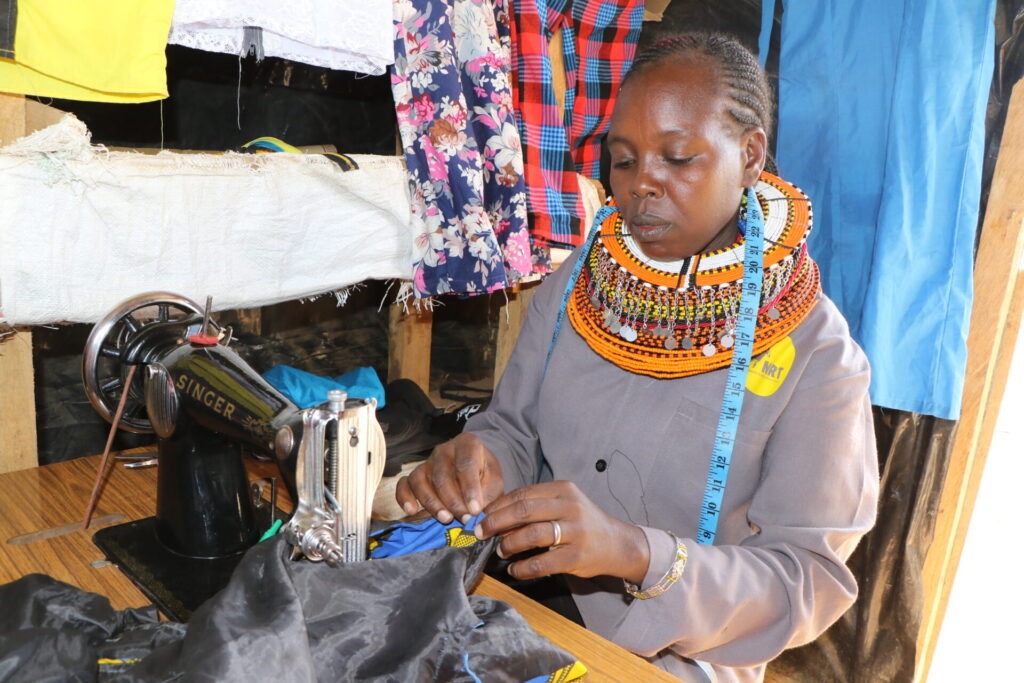
Twenty-six-year-old Sudha Mohamed is a Ujuzi Manyattani beneficiary who graduated in January 2023 with a tailoring and dressmaking course, among 29 others from Ishaqbini Hirola Community Conservancy in Garissa County.

Now, Sudha wasn’t your average girl next door. At the tender age of 17, she was married off, dashing her dream of attending university. However, Sudha wasn’t one to let life’s curveballs get the better of her.

Sudha had always been fascinated by beautifully mended clothes. She would gaze longingly at women parading their expensive outfits, wondering if she could ever create such masterpieces. Guess what? She decided to pursue her passion for tailoring; come what may!

Sudha joined Ujuzi Manyattani, a USAID-funded Local Works program that aims to empower youth and women in the community with valuable skills. She wanted to be a shining example for her younger siblings and make her dear mother proud. Through Ujuzi, she succeeded!

“Thanks to Ujuzi Manyattani, I received a tool kit on graduation day! I set up my tailoring shop right outside my mother’s store,” said Sudha.

She adds that the shop was to her advantage because she didn’t have to incur any extra costs like rent, electricity, and water bills, bearing in mind that this was supposed to be her only source of income and that her husband was jobless.

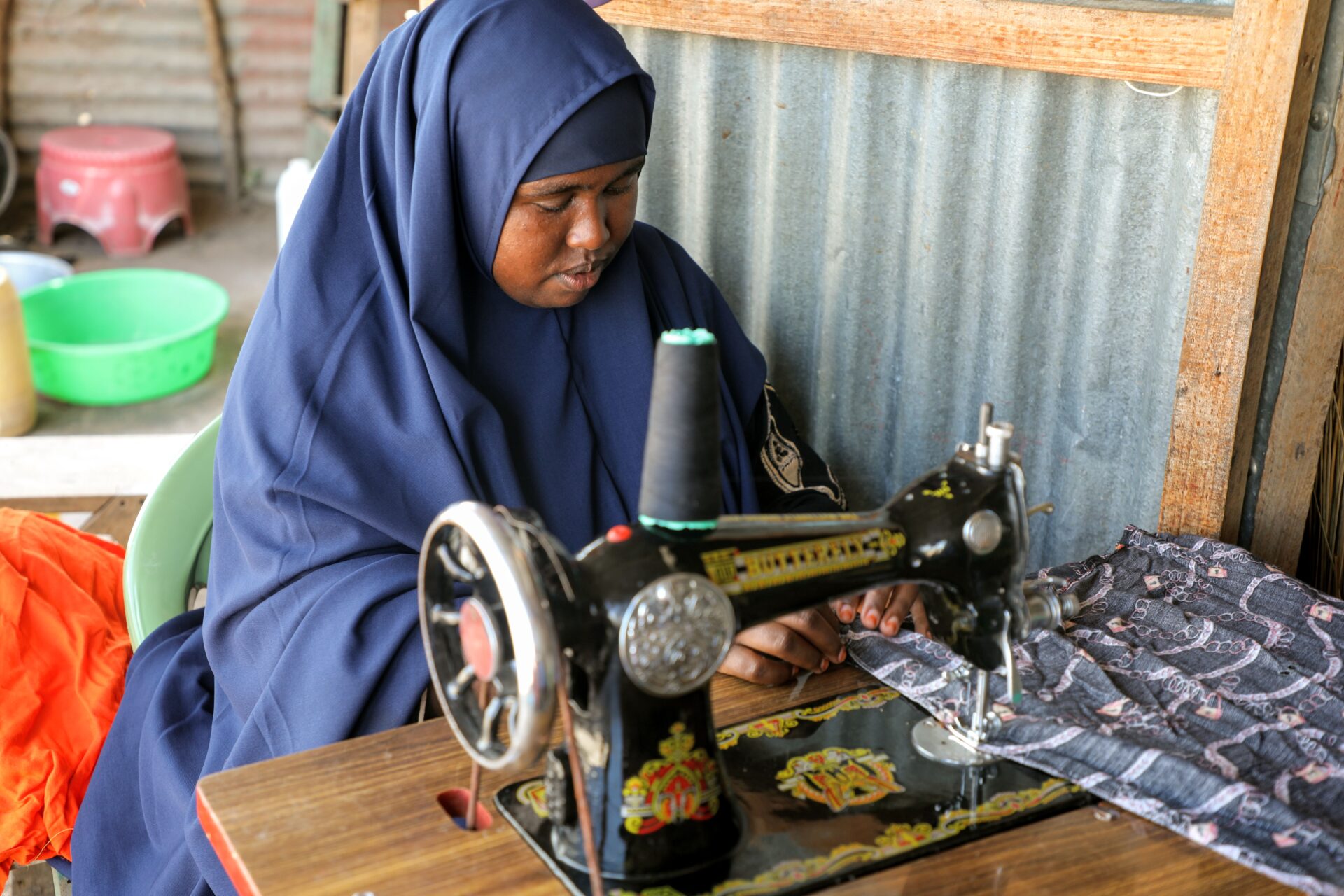
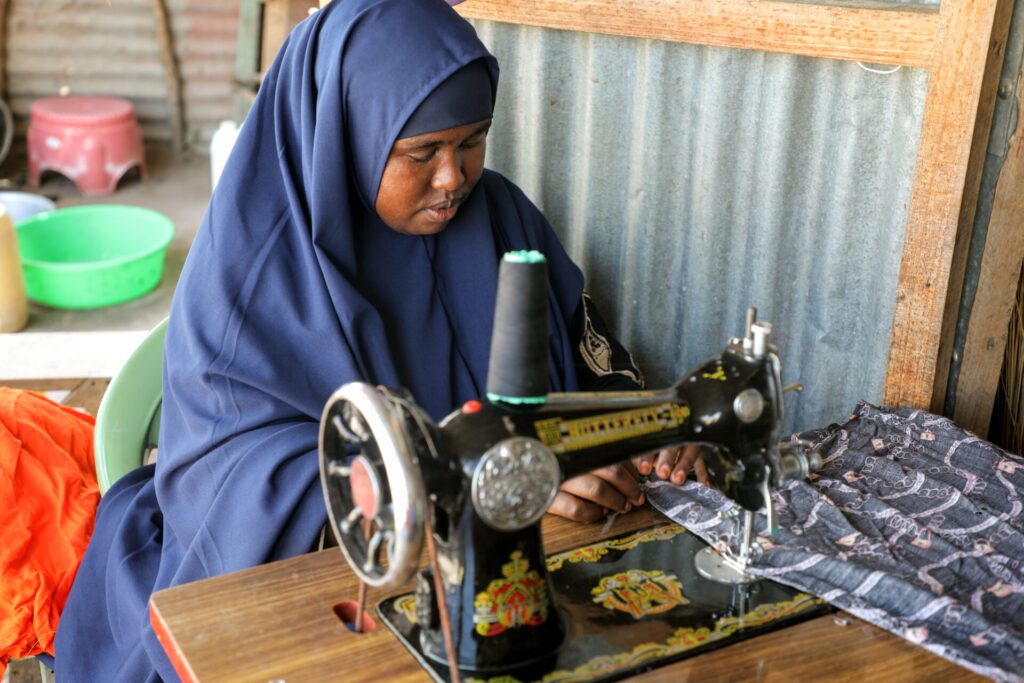
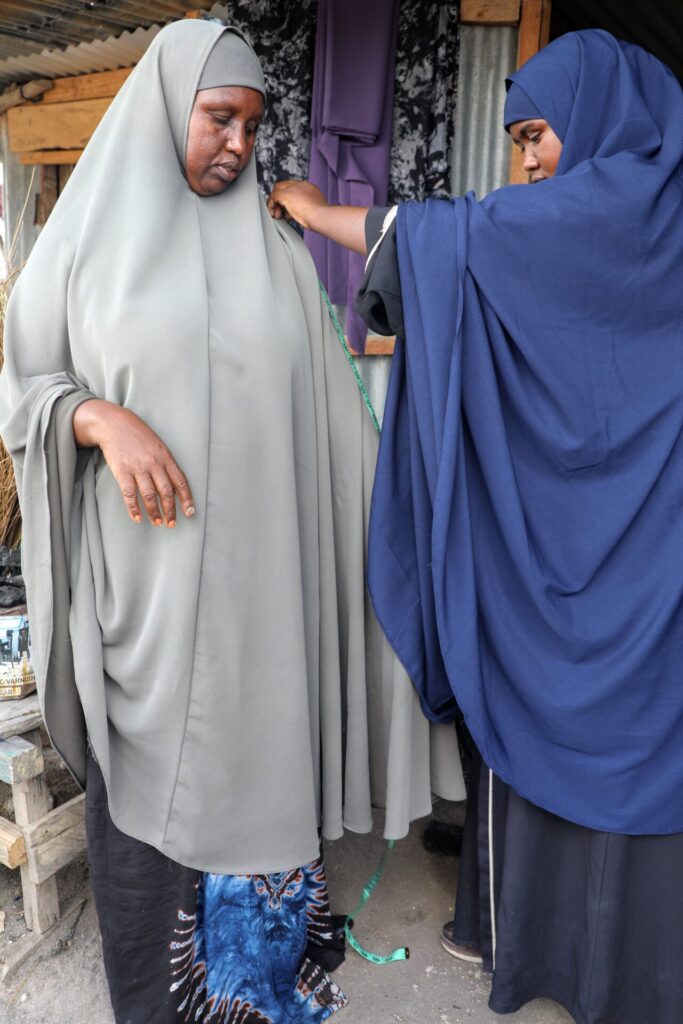
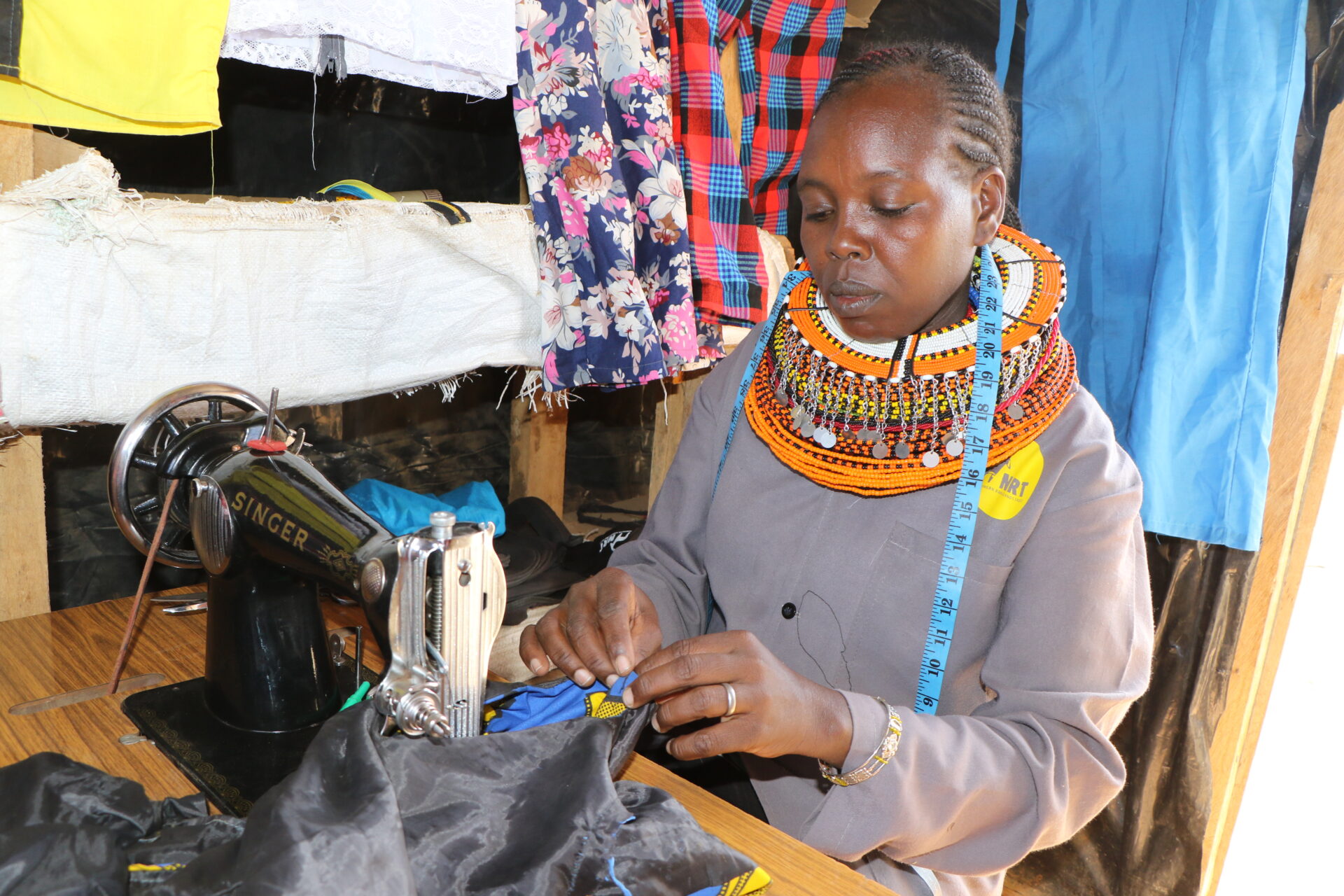
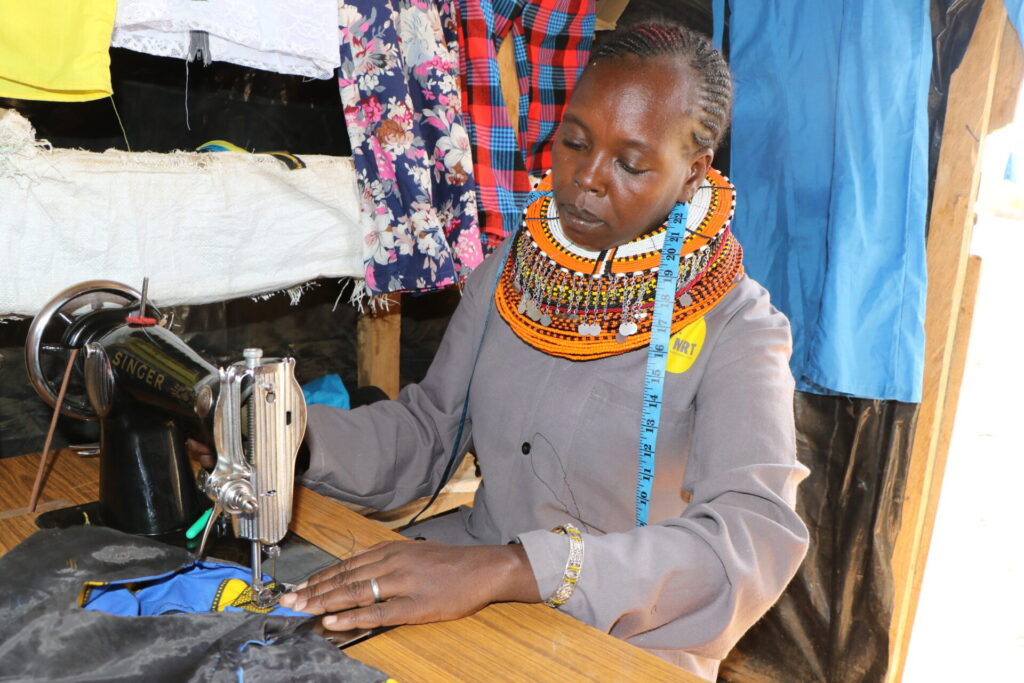
At the crack of dawn, you can find Sudha bustling in her shop, armed with measuring tapes, fabric scissors, and a trusty sewing machine. She meticulously takes measurements, jots them down, and expertly cuts fabrics, twirling the sewing machine like a pro. Sudha is a force to be reckoned with!

“What a stroke of luck that NRT Trading brought Ujuzi Manyattani right to our villages!” Sudha exclaims. “Now, I’m not just a tailor but also an entrepreneur. I’ve learned to plan my business, budget, and entertain my customers.”

With her newfound skills, Sudha earns up to KES 1,000 daily. Sure, it is not a fortune, but it is enough to keep food on the table and household utilities in check.

In a sea of competing tailors, Sudha stands out from the crowd. Why, you may ask? It is all because of the valuable advice she received from the NRT Trading Biashara Mashinani team. They stressed the importance of politeness and honesty with customers. Sudha is no “lying tailor”! She always keeps her word and finishes her work before the deadline. A true professional, indeed!

With dreams in her heart and a sewing needle in her hand, Sudha aspires to open a more extensive shop named after NRT Trading. She wants to be the talk of the town—a renowned tailor, supplier, and wholesaler all in one. And if that isn’t enough, Sudha hopes to inspire young girls like herself to enroll in similar training programs, empowering them to improve their lives.

Ujuzi Manyattani: Bringing Hope and Change to Northern Kenya’s Disadvantaged Communities.

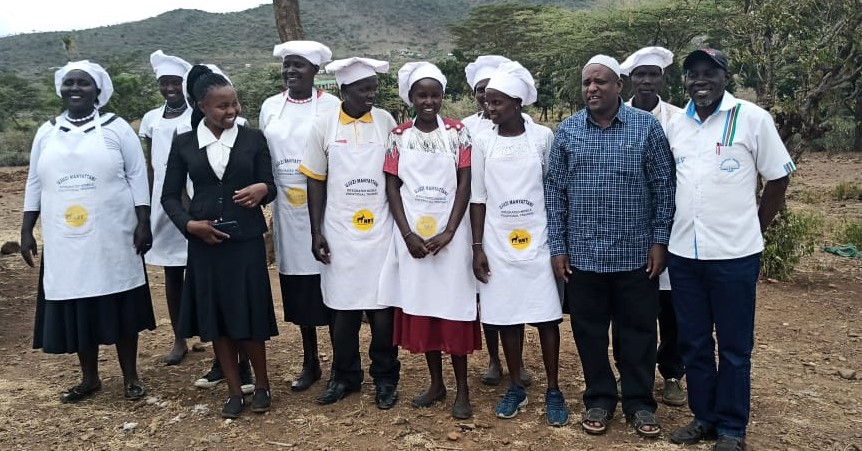
Fourth from Left is Mr. Maina Njane with Ujuzi Trainees.

In the heart of northern Kenya lies a program that is changing lives and providing hope to those who never thought they had a chance. NRT Trading Ujuzi Manyattani; is a mobile-integrated vocational training program that provides access to learning, adult literacy, and entrepreneurship skills to people from disadvantaged backgrounds and those without formal education.

Mr. Maina Njane with Ujuzi Trainees.

Partnering with institutions such as Kiirua Technical Training Institute and Laikipia North Technical and Vocational College, Ujuzi Manyattani has been making waves since its inception in 2019.

We spoke with Maina Njane, the Principal of Laikipia North Technical and Vocational College, about the program and its impact on the region.

Mr. Maina is an Electrical Engineer who climbed the ladder to a principal in February 2018, just as the vocational training institution was established. Mr. Maina is a huge advocate of the Ujuzi Manyattani program and has nothing but praise for it. “It’s the best thing that ever happened,” he says with a smile.

Starting from Right is Mr.Maina Njane, Mr. Ture Boru, NRT Trading Chief Economic Programs Officer with Ujuzi Trainees.

“We are very fortunate that we have accepted to be innovative, unique, and daring in this approach and for reaching out to communities we work with in partnership with NRT Trading.”

Maina

The approach NRT Trading takes in this program is what makes it unique. Instead of expecting the learners to come to them, they take the trainers to the learners.

 “It brings forth much excitement because we can see the level of impact that Ujuzi has brought to the region. The fact that the trainers can go to the learners means that they are able to provide training to people who may not have had access to it otherwise,”

says Mr. Maina.

As the program evolves, Mr. Maina believes it’s vital to integrate aspects such as Information and Communications Technology (ICT) and other trends within the technical space. He adds that the training can be universally accepted by linking with industries and engaging with national policy bodies like the National Industrial Training Authority (NITA) and the Ministry of Education.

Ujuzi Manyattani is more than just a vocational training program; it’s a beacon of hope for those who thought they had none. With its unique approach to training and commitment to the region’s communities, it’s no wonder Mr. Maina believes it’s the best thing that ever happened. The program is changing lives, one learner at a time.

Light at the End of the Tunnel – Story of Jane Asimit

Jane Asimit is a 38-year-old lady, one of the many beneficiaries of Ujuzi Manyattani. She is married and has six children; before the training, she was a stay-at-home mum and spent her days mostly sitting under the tree and talking to her fellow women the whole day. She didn’t get the opportunity to go to school because her father refused, but she recalls having an interest and passion for sewing and beading when she was around 12 years old. She made her first cloth, a shirt for her sister at that age, but she never got the opportunity to pursue her passion until she heard about Ujuzi Manyattani.

When Covid-19 hit in 2020, Jane’s husband lost his job. She knew she had to find a way to help earn an income for the family despite not having any skills to do that. She picked up odd jobs around, but the money wasn’t enough. That’s when she decided to pursue her passion for tailoring. She asked her tailor friend for classes and was told she would be charged 500 per hour, which was too high for her, but she was willing to do what it took because her family needed the income she would get after the training. When she was still looking for the money to go to her classes with her friend, she met someone in her home area who stopped her and told her about Ujuzi Manyattani. That felt like an answered prayer for her because they had a tailoring course, and she wouldn’t have to pay all the money her tailor friend requested.

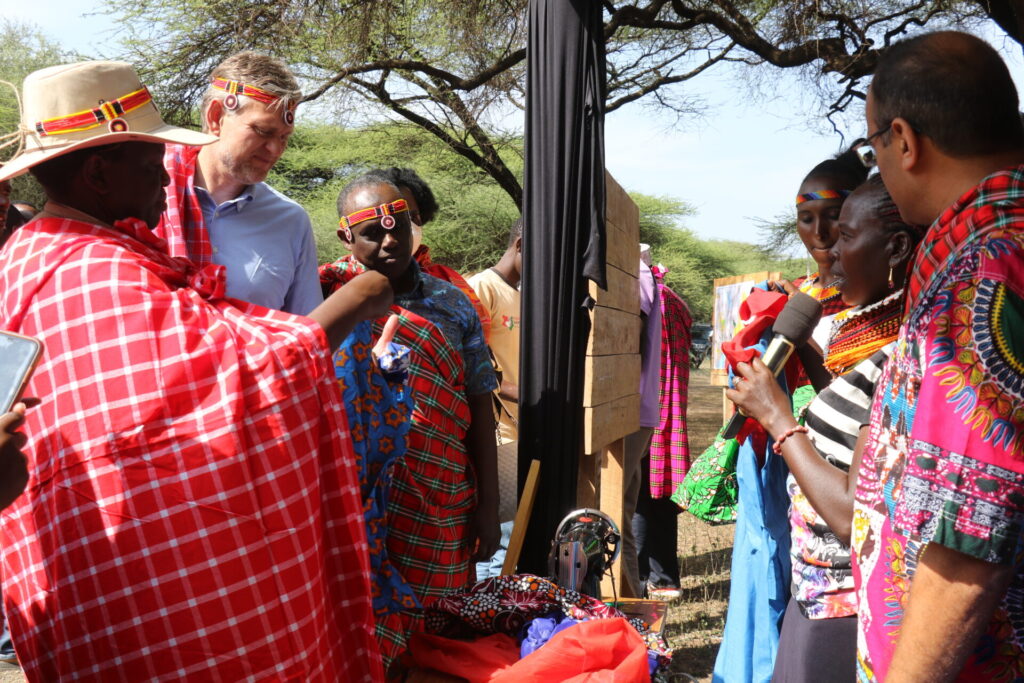
Jane Amsiti talking to the Danish Ambassador to Kenya, Ole Thonke (second on the left)

She joined the program in August 2021 and did a course in tailoring. She was initially hesitant because she hadn’t gone to school and thought she would lag, but she was assured by the trainer that she would learn and catch up well despite her lack of writing skills. By the time she finished the program, her spoken and written Swahili was good, and she could converse a bit in English. She opened a small tailoring shop just outside her home. She feels that she has helped her community because now they don’t have to go to the nearest town to get new clothes or fix them; she has different designs that she makes.

Jane can now help her husband with the expenses at home and even take her son to form one. She wants to put all her kids through school and give them the life she couldn’t have before Ujuzi. She admires educated people because they have skills and can make something out of their life. Her biggest dream is to train others, expand her tailoring business, and take it to a bigger town to grow so that she can afford to take all her six children through school.

During the program, she learned how to draw designs, measure people, write them down in a book, make a profit, and sustain a business. She advises other women to see how miserable her life was before Ujuzi and how it has changed for the better. She advises them to join Ujuzi Courses and improve their lives.

Jane is thankful to the program sponsors and prays that God continues to bless them because they have gotten her to a place she never thought she could get to.

Ujuzi Manyattani has supported 574 youths and women in Northern Kenya; it is a timely opportunity for the graduands in Northern Kenya due to the growing infrastructure investments. The program sponsors courses that provide access to learning for people from disadvantaged socioeconomic backgrounds who cannot access formal education in Northern Kenya. These skills will prepare communities for opportunities in line with vision 2030 projects.

The training and graduation are made possible through the support of NRT Trading technical partners- TVET, NITA, Kiirua Technical Training Institute, Laikipia North Technical, and Vocational College with funding from USAID Kenya through the USAID Local Works program, Denmark in Kenya, the IUCN, Save our Species co-funded by the European Union and The Nature Conservancy in Africa.

Celebrations and Jubilations as 59 Youth and Women Graduate from Ujuzi Manyattani

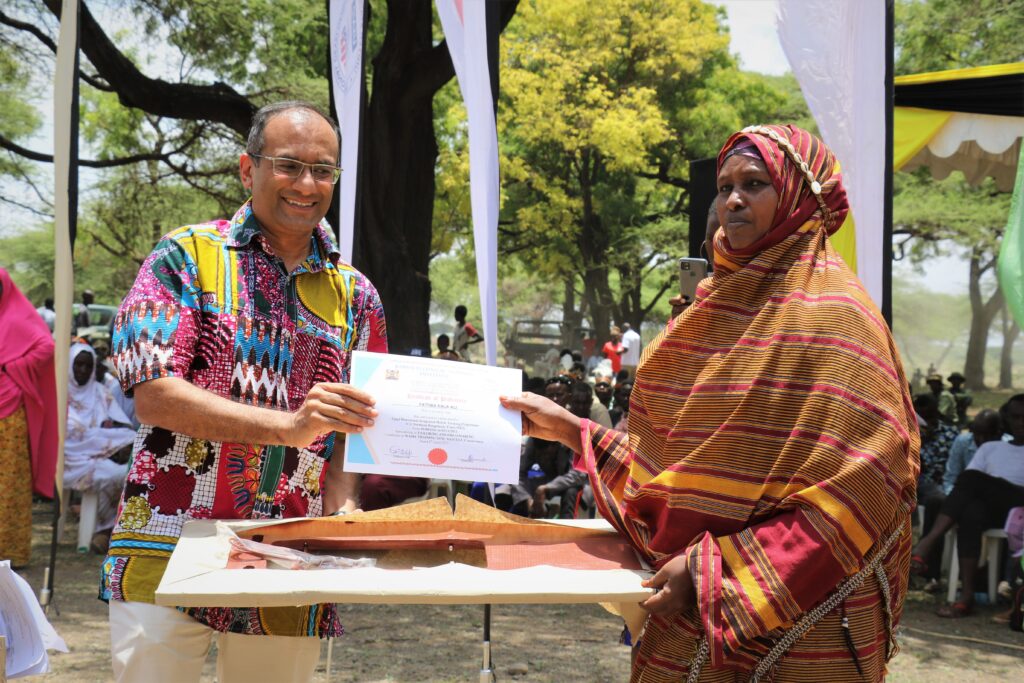
NRT Trading’s Chief Economic Programs Officer, Ture Boru issues a certificate to a beneficiary of the Ujuzi Manyattani program.

On 3rd November 2022, 59 youths and women graduated from NRT Trading’s Ujuzi Manyattani Vocational Training Programme. It was the fourth graduation of Ujuzi Manyattani skills empowerment training which has directly benefitted 605 people since its inception in 2019.

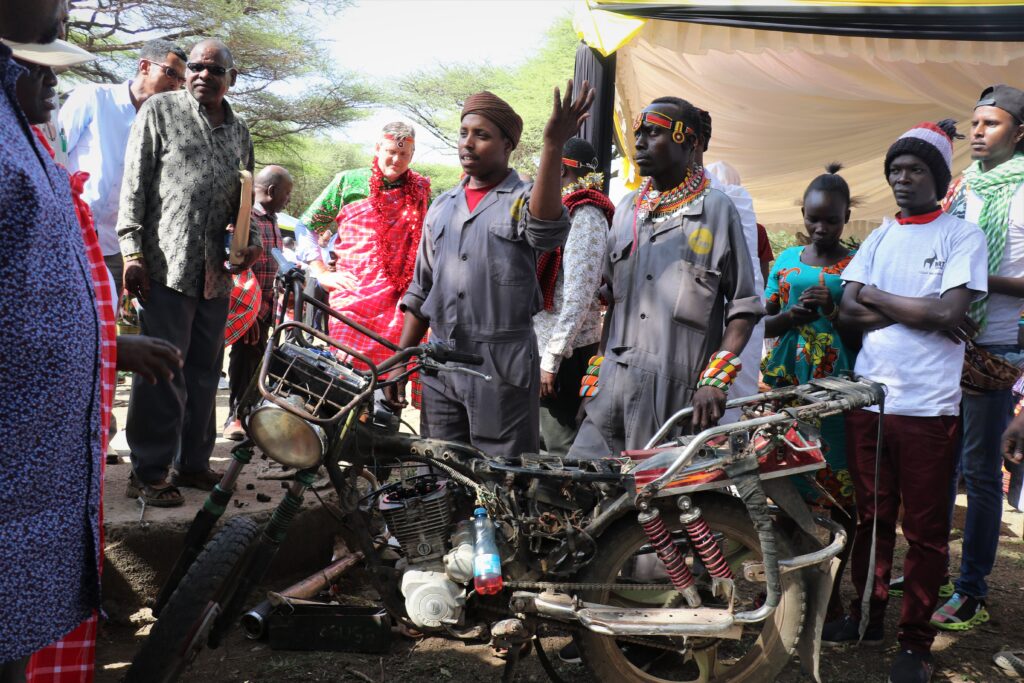
The 59 graduands from Ruko Conservancy graduated after a three-month technical training. They graduated in different courses, Tailoring and dressmaking, Hairdressing and beauty therapy, and Motorcycle repair and maintenance. The graduates now stand to increase their economic opportunities as northern Kenya aligns with Vision 2030. The vocational model aims to contribute to the Kenyan Government’s ‘Big Four’ agenda that strives to promote job creation; for youth and deepen industrialization.

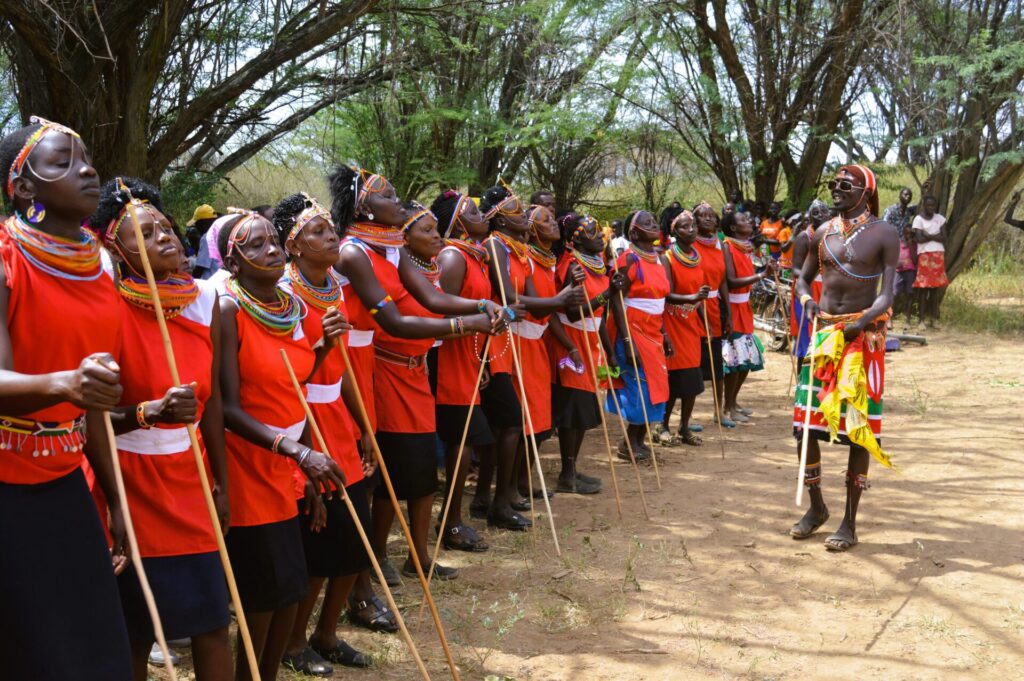
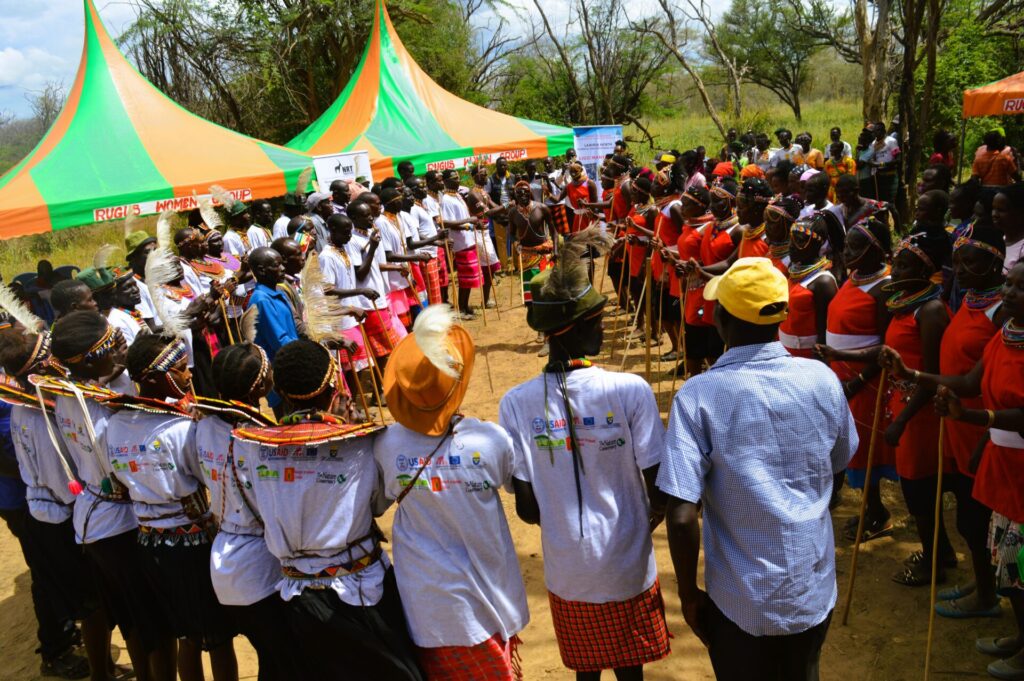
Graduands sing as they celebrate during the graduation ceremony

“Most of us here are pastoralists; some of our livestock have died because of the prolonged drought leaving us with nothing. Ujuzi Manyattani has given us an opportunity to earn income through the skills they have taught us. I have never gone to school; my first school is Ujuzi Manyattani; I have learnt how to make clothes from the Tailoring and dressmaking course. It will help me earn income and create employment for other women and youth. Thank you, NRT Trading”

Faith Muge, Ujuzi Manyattani Tailoring, and dressmaking graduate.

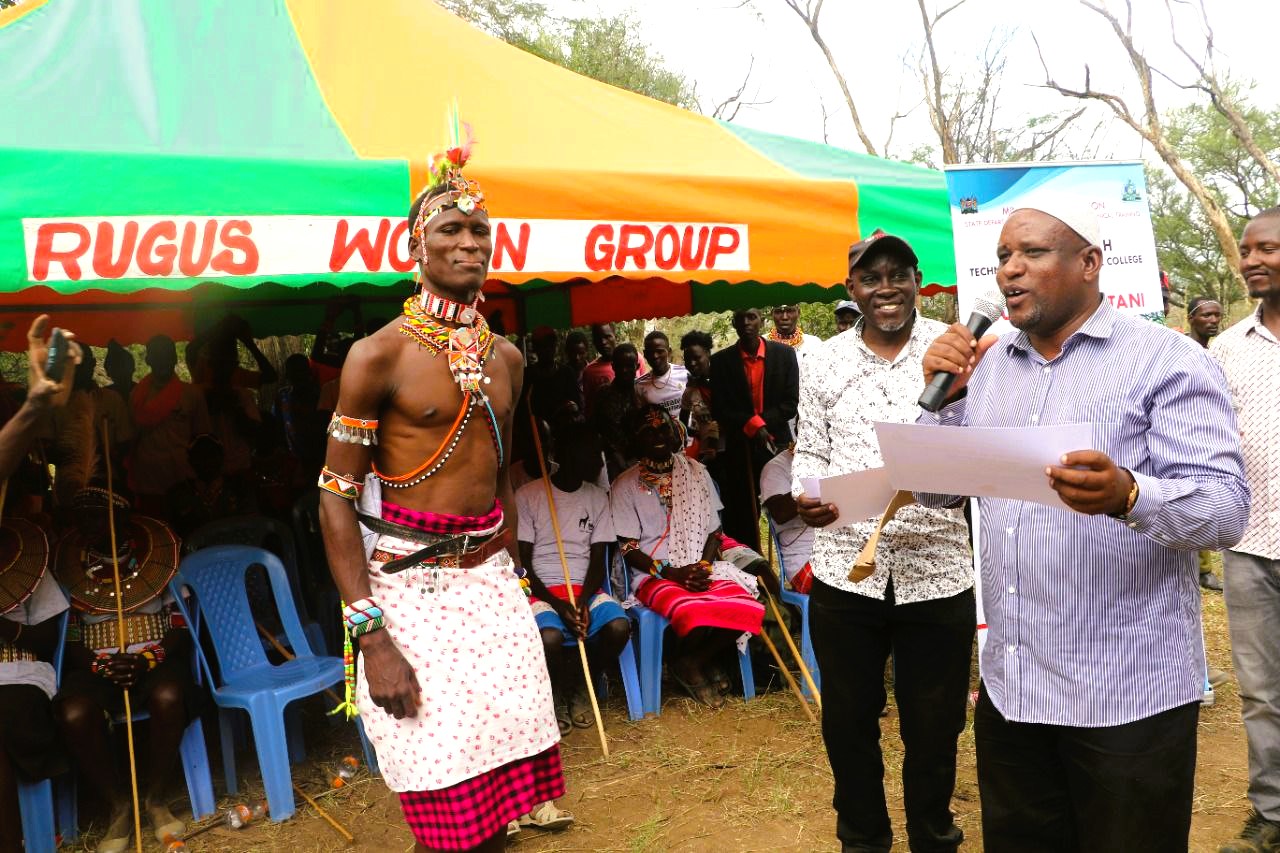
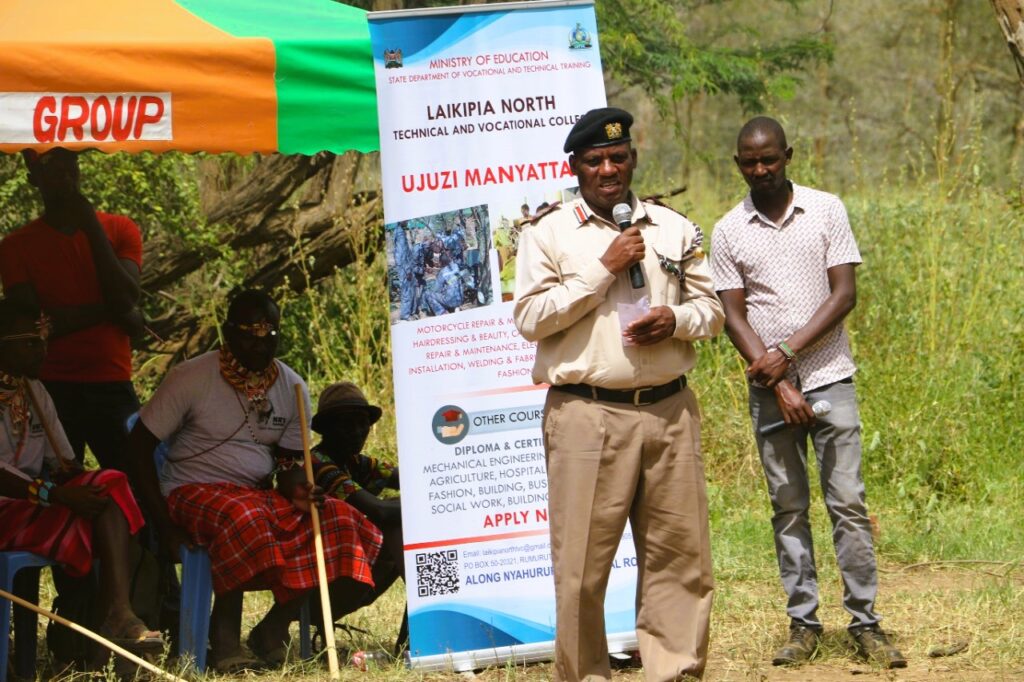
Douglas Mutugi, Marigat Sub County DCC addressing the attendees during the graduation ceremony

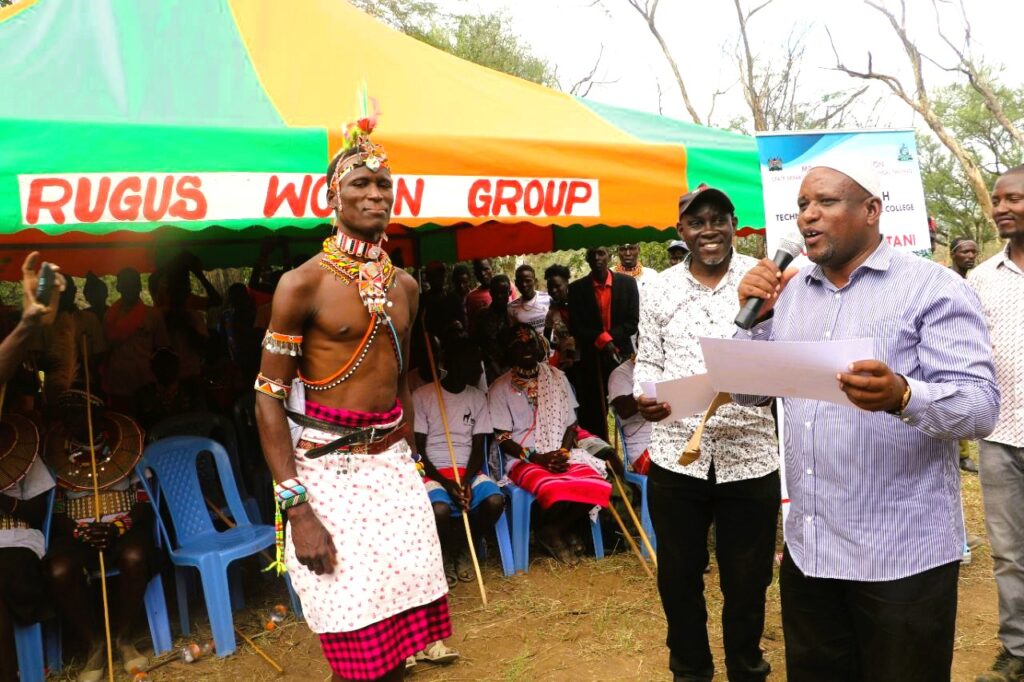
The colorful ceremony was presided over by Douglas Mutugi, Marigat Sub County DCC. Also in attendance were Ruko Community Conservancy leaders, community members, Vocational training teachers, and the NRT Trading team.

“I would like to thank the 59 youth and women who sacrificed their time and commitment to gain skills through Ujuzi Manyattani training and thank NRT Trading for this wonderful program. As an administration, we encourage and support such Programs that improve community livelihoods. I request all parents to take their children to school as it is the only way to achieve economic growth in our community. There is a need for diversification of economic activities; to increase revenue in the community.”

Douglas Mutugi, Marigat Sub County DCC.

Graduands sing as they celebrate during the graduation ceremony

To date, Ujuzi Manyattani has empowered 605 young men and women to acquire vocational skills and take advantage of business opportunities in northern Kenya; about 90% of the graduates are semi-illiterate. The fourth graduation saw 30 men and 29 women receive certificates and toolkits to enable them to start business ventures.

“To our graduates, this is not the end but the beginning of a journey that NRT Trading will walk with you. For those who want to become great businesspeople and start businesses that will become industries, you are not alone. For those willing, we will continue training you through the NRT Trading Biashara Mashinani Program that develops the capacity of individuals and groups to start and manage enterprises.”

Ture Boru, Chief Economic Programs Officer.

Jennifer Putonoi, Deputy County Warden KWS, Baringo County issues a certificate to a Ujuzi Manyattani beneficiary.

Ujuzi Manyattani is a vocational training delivery model in which polytechnics place trainers in villages to teach marketable skills. By placing trainers in communities, Ujuzi Manyattani provides access to learning for people from disadvantaged socio-economic backgrounds; and those who have not been able to access formal education. It enables pastoralists to acquire practical vocational skills where other training facilities are absent; without disrupting their way of life. The training incorporates adult literacy and entrepreneurship skills. Trainers and tools move across villages, conservancies, and counties to provide equal opportunities to all ethnic groups in community conservancies. The skills offered include masonry, carpentry, motorcycle mechanics, mobile phone mechanics, welding, plumbing, electrical engineering, tour guiding, and solar installation.

Ujuzi Manyattani Programme has been made possible through the support and funding of the United States Agency for International Development (USAID) through the Local Works program and the Conservancy Livelihood Fund (CLF). Technical partners are Kiirua Technical Training Institute and Laikipia North Technical and Vocational College.

A Big Boost to NRT Trading Ujuzi Manyattani Program During its 3rd Graduation

Vishal Shah, NRT Trading CEO awarding a graduate a certificate during the ceremony.

Three hundred and thirty-seven women and youth from Nakuprat-Gotu, Ltungai, Nasuulu, Jaldesa, Shur, and Songa community conservancies in Samburu, Isiolo, and Marsabit Counties have graduated from different courses in the Ujuzi Manyattani vocational training. Ujuzi Manyattani is a vocational training initiated by the Northern Rangelands Trust Trading (NRT Trading) to improve the lives of diverse people in the northern Kenya region.

The Ujuzi Manyattani programme sponsors twelve courses that provide access to learning for people from disadvantaged socioeconomic backgrounds that have been unable to access formal education in Northern Kenya. In a collaboration between government and donors, the program has seen more youths and women from Isiolo, Samburu, and Marsabit Counties join the program, and graduate in various courses ranging from; Mobile repair maintenance, Motor circle maintenance, Catering, pastry and Accommodation, Tailoring and Dressmaking, Masonry, Hairdressing and Beauty Therapy, Electrical and Solar installation.

The ceremony held in Ngare Mara Ward Isiolo County, saw many partners, Donors, and Government officials attend to celebrate the mileage of 337 young women and youth in northern Kenya who gained formal skills to better their lives.

Ambassador, The Royal Danish Embassy in Nairobi, H.E Ole Thonke who graced the occasion, encouraged the graduands noting that;

“Life at times does not take you in the direction you want, especially to those who dropped off from university or other classes, but as Morans or young girls who were married off, you can prove different through Ujuzi Manyattani vocational training. The skills will better you in your communities. It was fantastic listening to you graduands share stories of how far you have come to achieve these great skills that will change your lives.”

H.E Thonke, who was greatly impressed by the graduands achievements added that the Danish Embassy plans to increase funding to NRT programs, and its conservancies to ensure all this great work is progressing well.

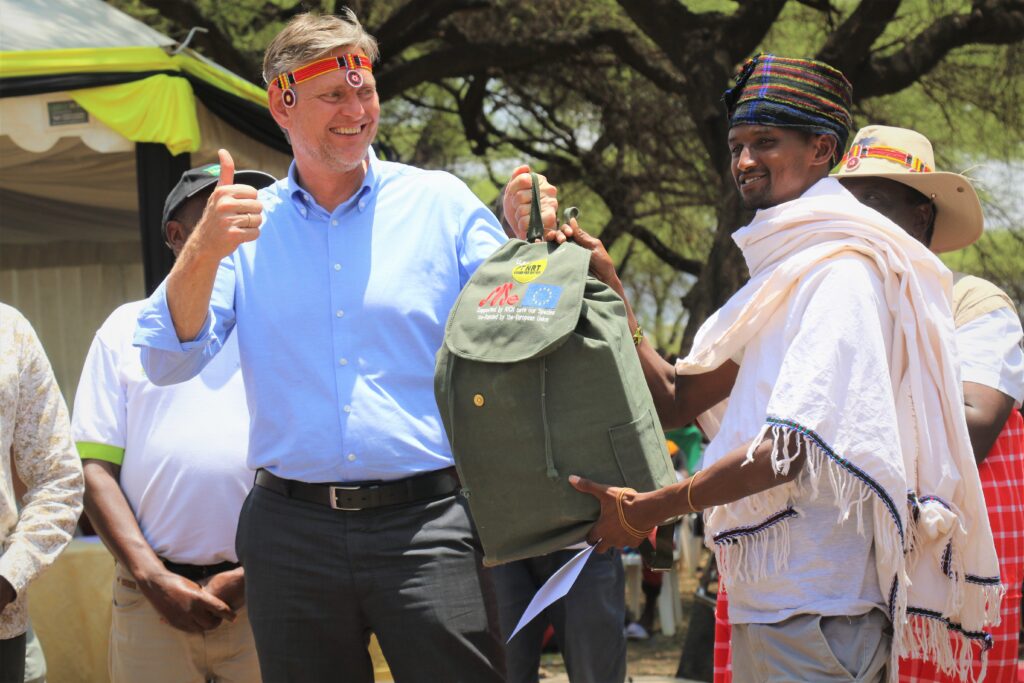
H.E Ole Thonke awarding a graduate with a toolkit

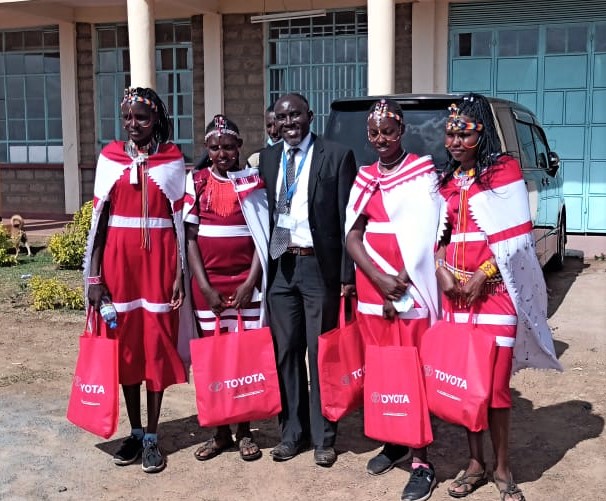
“To boost this noble program, Toyota Kenya will sponsor ten best students trained in motorcycle repair and maintenance to further their skills.” Said Silvia Adani, Toyota Kenya Nanyuki Branch Manager.

Deputy Governor Isiolo County Dr. Abdi Issa thanked NRT Trading for truly bringing devolution to the Northern Kenya communities in terms of conservation, peace, improved livelihoods, and technical skills.

“Today am happy to witness one hundred and sixty women graduate from last year’s only six which is so encouraging and I urge our women to take charge in education and development agendas and many more should enroll in the subsequent training,” Noted Issa.

Director, Kenya & East Africa Environment Office at USAID, Aurelia Micko urged the graduands to use the skills gained to transform their lives and their communities.

“Ujuzi Manyattani is one of those positive ways that change happens in northern Kenya; and today we are witnessing that. We are here for you, we are here for the 337 graduates, and you are the change agents. You are no longer the leaders of tomorrow; you are the leaders of today, and I want to celebrate that with you.” said Auleria.

2nd from left is Auleria celebrating the graduates during the ceremony.

Ujuzi Manyattani program is a timely opportunity for the graduands in Northern Kenya due to the growing infrastructure investments in northern Kenya, these skills will prepare communities for opportunities in line with vision 2030 projects.

The training and graduation were made possible through the support of NRT Trading technical partners- TVET, NITA, Kiirua Technical Training Institute, Laikipia North Technical and Vocational College with funding from USAID Kenya through the USAID Local Works program, Denmark in Kenya, the IUCN, Save our Species co-funded by the European Union and Nature Conservancy in Africa.

Words of Emily Chebet – Ujuzi Manyattani Beneficiary

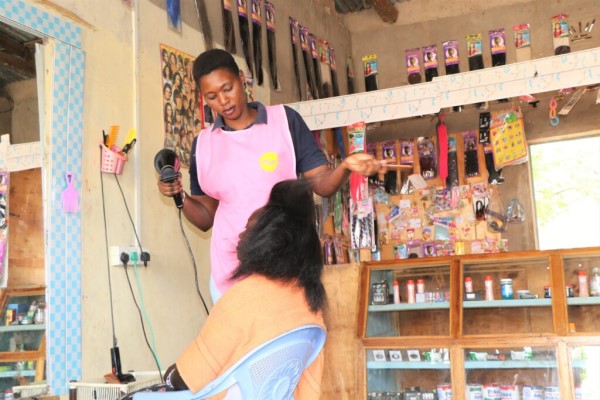
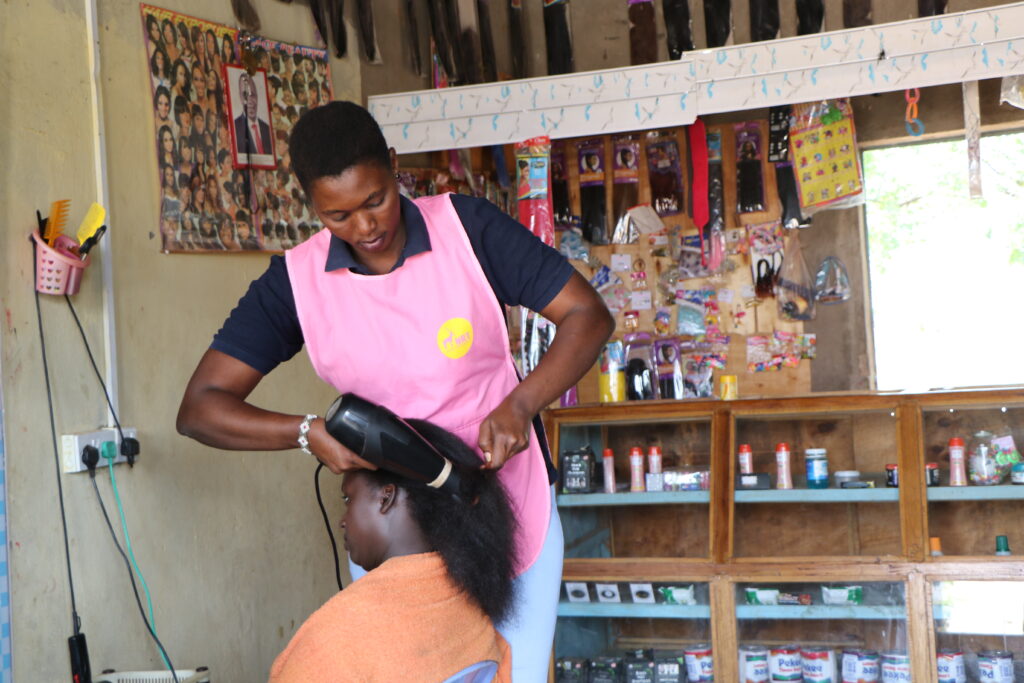
Emily at her salon attending to a client

I can proudly say that my life began when I joined Ujuzi Manyattani vocational training program. Being a third born out of eight children, I knew for sure that my education stopped at form four as my parents were poor and could not afford my college fees. My elder siblings had also not studied further than that.

My father is a casual laborer, while my mother sells charcoal at my village in Nakoprat conservancy after I completed my form four education, I started assisting my mother in the charcoal business. Sometimes I will be lucky enough to get odd jobs like washing people’s clothes for a small amount of money to supplement our income.

At 26 years old, life was difficult for me, with no hope of a better tomorrow. I was always so stressed. I would wonder if things will ever be better for my family. That’s when I heard about the Ujuzi Manyattani program from other community members. People were talking about this free mobile, village-based vocational training; that was recruiting women and young morans in conservancies to train them on how to diversify indigenous livelihoods and entrepreneurship skills.

I did not waste time and decided to register for the program in June 2021. There were many different courses to pick from like, mechanics, mobile phone repairs, tailoring, and carpentry. I chose hairdressing & salon. People in my community had to travel to distant urban centers/towns and pay costly transport to receive salon services. This course was going to help me open a nearby salon, make life easier for them, and at the same time help me earn a sustainable income.

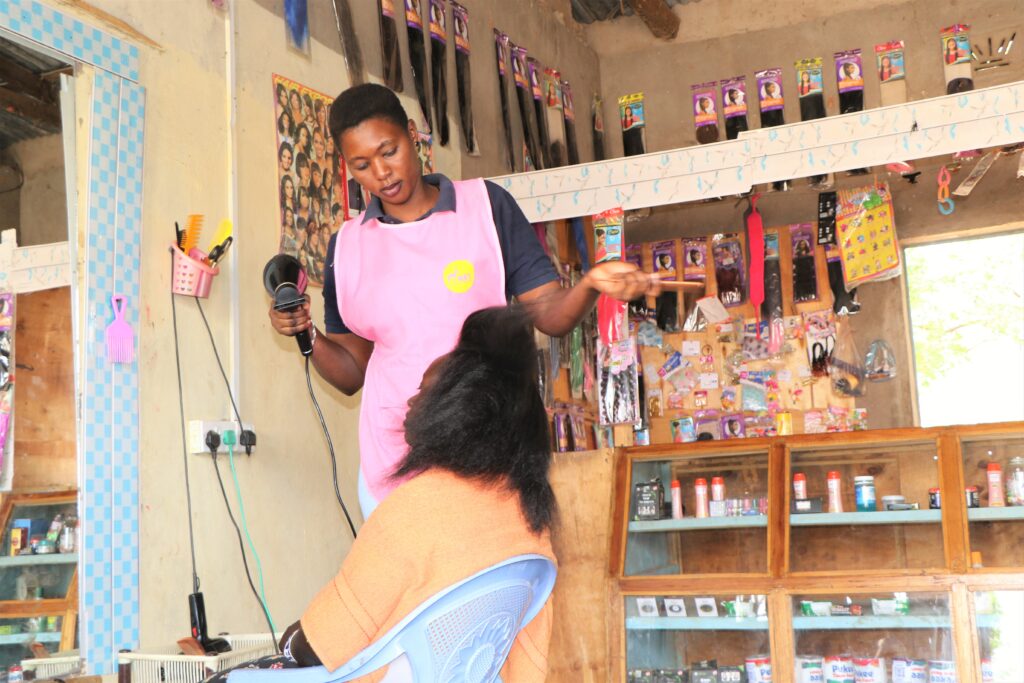
After three months training, I was able to gain entrepreneurship skills which helped me start up my salon and barbershop at Archer’s Post, Samburu County. At ‘Classic Salon’ I am able to offer great services. This has helped me bring in new customers and retain others. I am able to earn great income daily and grow my business. I also learned the importance of supporting other people in the community, which is why I currently have two employees who assist me in the day-to-day running of the business. In the future, I hope to grow my business even more to a point where I can train others and impact them the way Ujuzi Manyattani has done to my life.
My advice to other youths is to be willing to join training programs like ujuzi manyattani because they are for a short time, but the knowledge, skills, and benefits you gain will last you for a lifetime.

I am also very grateful to USAID and other partners for supporting this program. Their support has changed my life from someone who could only depend on my parents to someone who can now support them and my siblings. From being uneducated to educated, unemployed to employed, not to forget I am now a great entrepreneur in my community; thank you.